Why 360 tours win fit-out and showroom pitches
Letting a client walk your space before they commit removes the biggest objection in the room. Where tours pay for themselves.
Every fit-out, showroom and interiors pitch has the same invisible obstacle. The client cannot picture the finished space, or cannot get to one to see it, so they hesitate. That hesitation is where deals stall and where a competitor who makes it easier to say yes quietly wins.
A 360 virtual tour removes that obstacle. It lets a client walk a real space from their desk, on their phone, at midnight if they want to, which turns imagination into experience and hesitation into confidence.
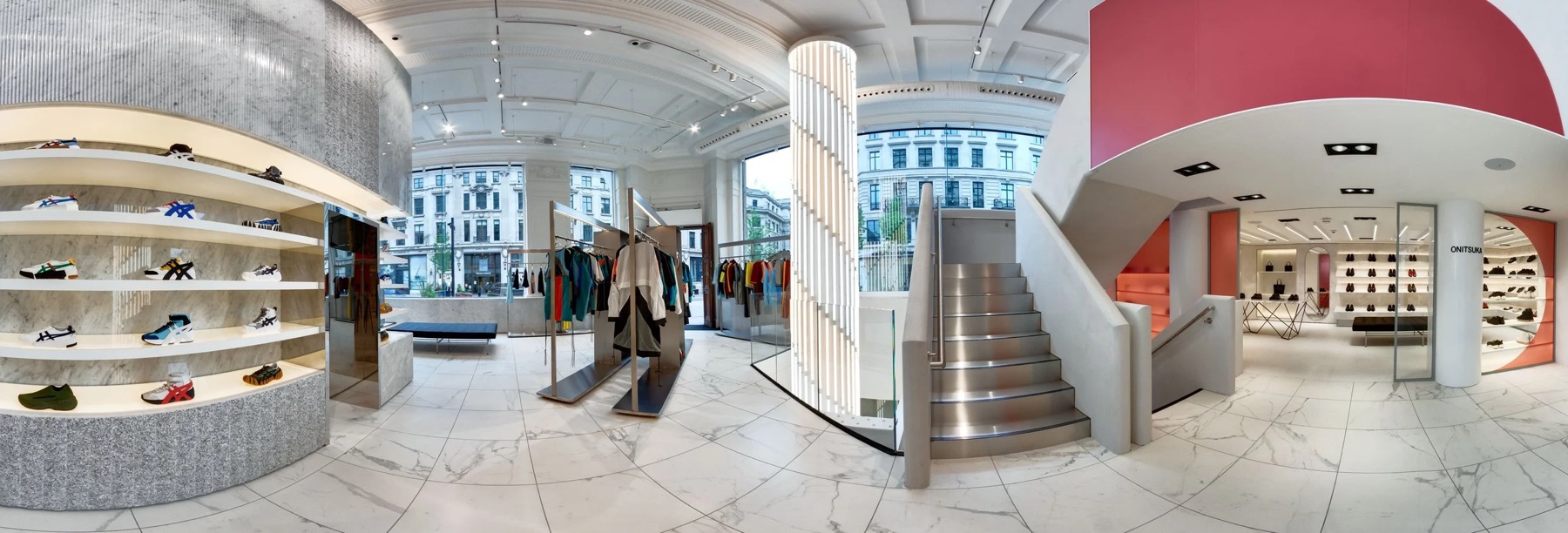
The objection you cannot see
Most lost pitches are not lost on price. They are lost on uncertainty. A developer, a facilities manager or a homeowner is being asked to commit to something they cannot fully picture, and uncertainty makes people wait, get another quote, or do nothing at all.
You rarely hear this objection because the client rarely says it out loud. They just go quiet. A tour answers it before it is ever spoken.
What a tour actually removes
The imagination gap
Instead of asking a client to trust a mood board, you let them stand in the finished space and look around.
The travel barrier
No arranging a site visit, no diaries to align. The showroom or reference project is one link away, any time.
The shortlist risk
A client can revisit your tour as often as they like while they decide, keeping you present and front of mind through a long decision.
The distance problem
A tour lets you pitch a space to a client on the other side of the country as easily as one across town.
Where it pays for itself
For fit-out firms, a tour of a completed project is the strongest thing you can put in a pitch. For showrooms and interiors brands, an always-available walk-through turns a physical space that only works in office hours into one that sells while you sleep. And because the tour lives on your website and on Google, it works long after the pitch is over.
What to capture, and when
The question most firms ask is what a tour costs. The more useful question is what gets captured and at which point in the programme, because those two decisions determine whether the tour becomes a sales asset or an expensive novelty.
Your best completed project
The single most persuasive thing you own. A prospect walking a finished scheme of the same type as theirs answers more objections in two minutes than a case study manages in two pages.
A reference space you can always show
Projects get occupied and go confidential. Having at least one space you are permanently free to show means you are never stuck asking a past client for permission in the middle of a pitch.
The showroom or the workshop
Where the work is made or specified is often more convincing than where it ends up, particularly for manufacturers and specialist installers.
A work in progress
A tour captured mid-fit-out, before ceilings and finishes close everything in, shows the standard of what is behind the walls. Nobody can show that after handover.
Timing follows the same logic as photography. Capture at practical completion, before the space is occupied, and get the client's permission agreed in the contract rather than requested afterwards. A tour of an empty, finished space stays usable for years. A tour of somebody's working office rarely gets approved at all.
One practical note: agree at the point of capture what the tour is licensed for. A tour you can show privately in a pitch but never publish on your own website is worth a fraction of one you own outright.
Once you have two or three, the economics change. The cost was a one-off, the tours keep going out to prospects, and the objection that used to require a site visit and half a day of somebody's time is now handled by a link in an email.
What separates a selling tour from a gimmick
Captured at the right moment
The space dressed, lit and finished, not the week the snagging list is still taped to the wall. One visit, done when the project looks its best.
Hotspots that answer questions
Materials, suppliers, dimensions, the story of a detail. A tour that answers the questions a visit would raise keeps the buyer inside it longer.
Embedded where decisions happen
On the project page, in the proposal, in the tender pack, on your Google listing. A tour buried on a hidden page removes no objections.
Watched before the meeting
Send it ahead of the pitch. A client who has already walked your best project arrives half-convinced, and the meeting starts further down the road.
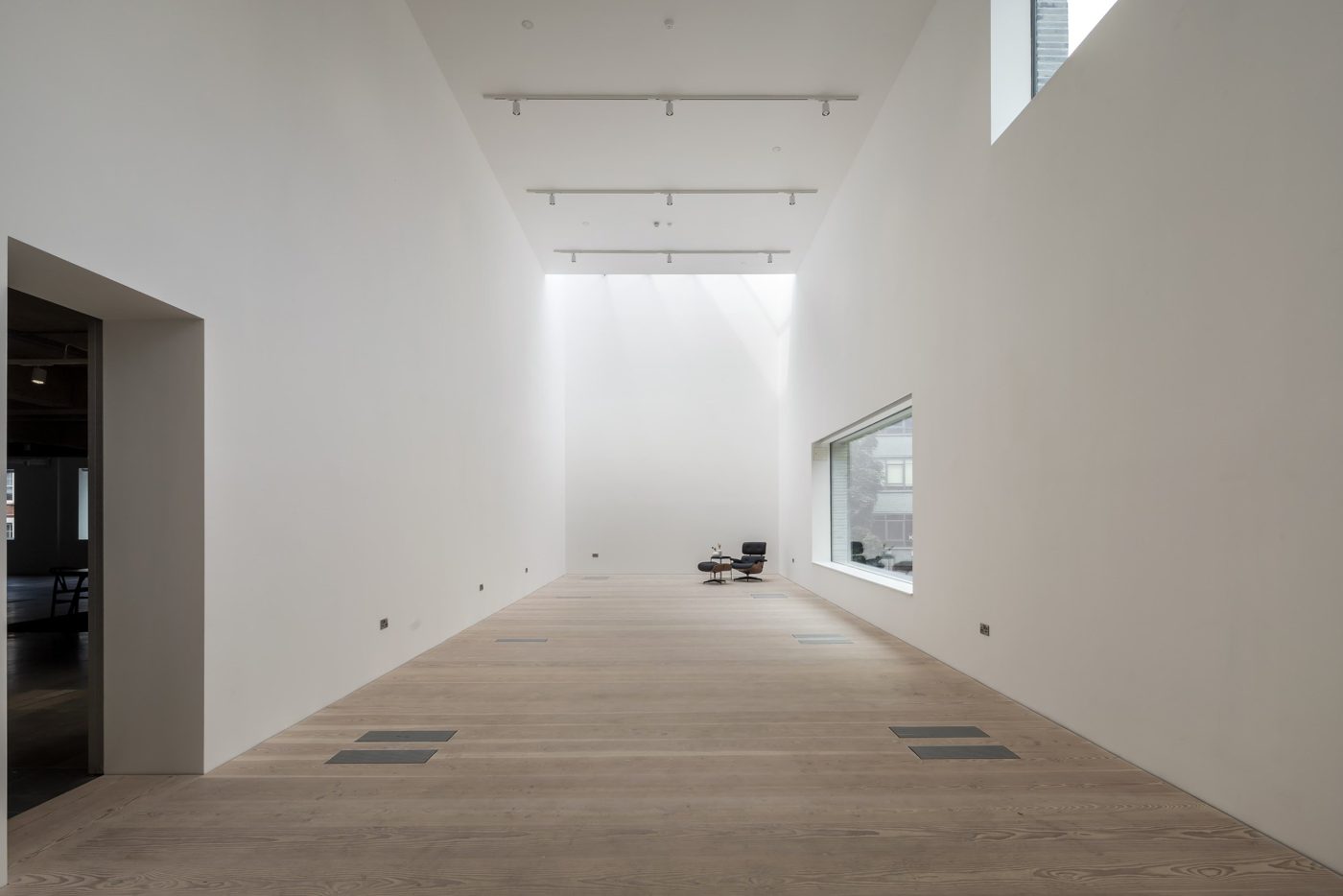
We were building immersive tours before most of the sector had heard of them, back when it meant being one of Google's first trusted photographers. That head start is why we treat a tour as a sales tool rather than a novelty, and why the ones we build are designed to remove objections, not just show off.
Start with one. Pick the completed project you are proudest of, capture it before it fills up with somebody else's furniture, and put the link into your next three pitches. The argument for the second and third tour will make itself, and it will be made by the people you sent the first one to.
Pitching with photos alone?
Pick your best finished space and we will turn it into a tour your sales team can walk a client through from anywhere.
Tour your best project →