Video Production
Film that shows your process, your team and your results.
- Engagement
- 30 day rolling
- Sector
- Built environment
How video production works
Some things a photo cannot carry: the scale of a site, the craft of an install, the people behind the work. Video does.
We plan, film and edit content that shows what you do and who you are, built to work on your site, in ads and across social.
The usual mistake is length and purpose. A three-minute company film with drone footage and a voiceover gets commissioned, sits on a homepage and is finished by nobody. A forty-second clip of a difficult install, cut for a phone and captioned because most people watch with the sound off, does more work than the film that cost five times as much.
We plan around live site conditions from the outset: inductions, access, permits, weather and the fact that the programme will not pause for a camera. One properly planned visit produces the case film, the social cut-downs, the recruitment piece and a set of stills, and that is what makes the economics of filming work at all.
Film the whole build, not just the handover
Most firms film a project once, after it is finished, and post it a year later. We can film from the first weeks on site to handover, so there is always something current to post while the job is live, and a film of the whole project at the end.
-
01
Progress films while it goes up
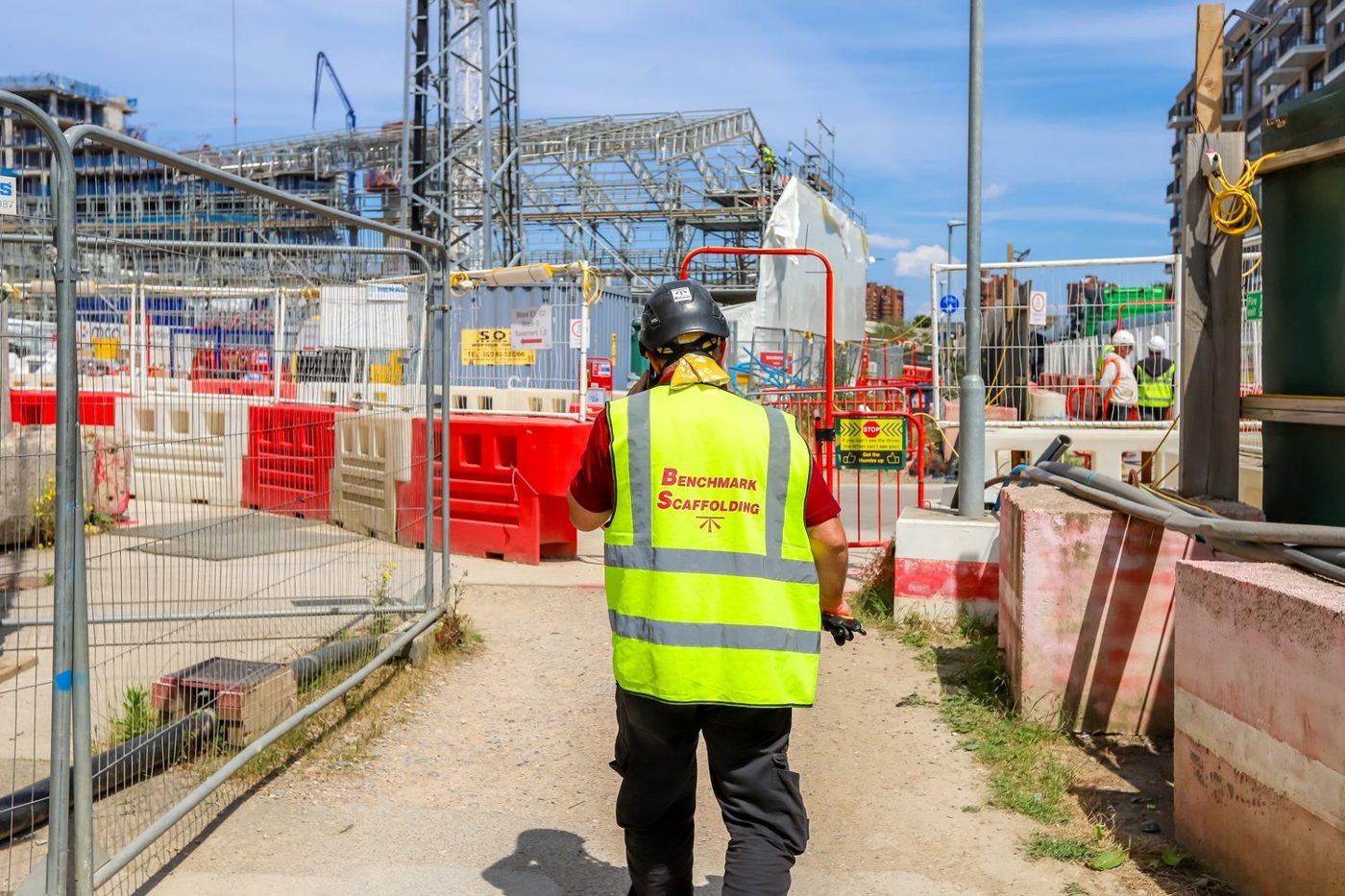
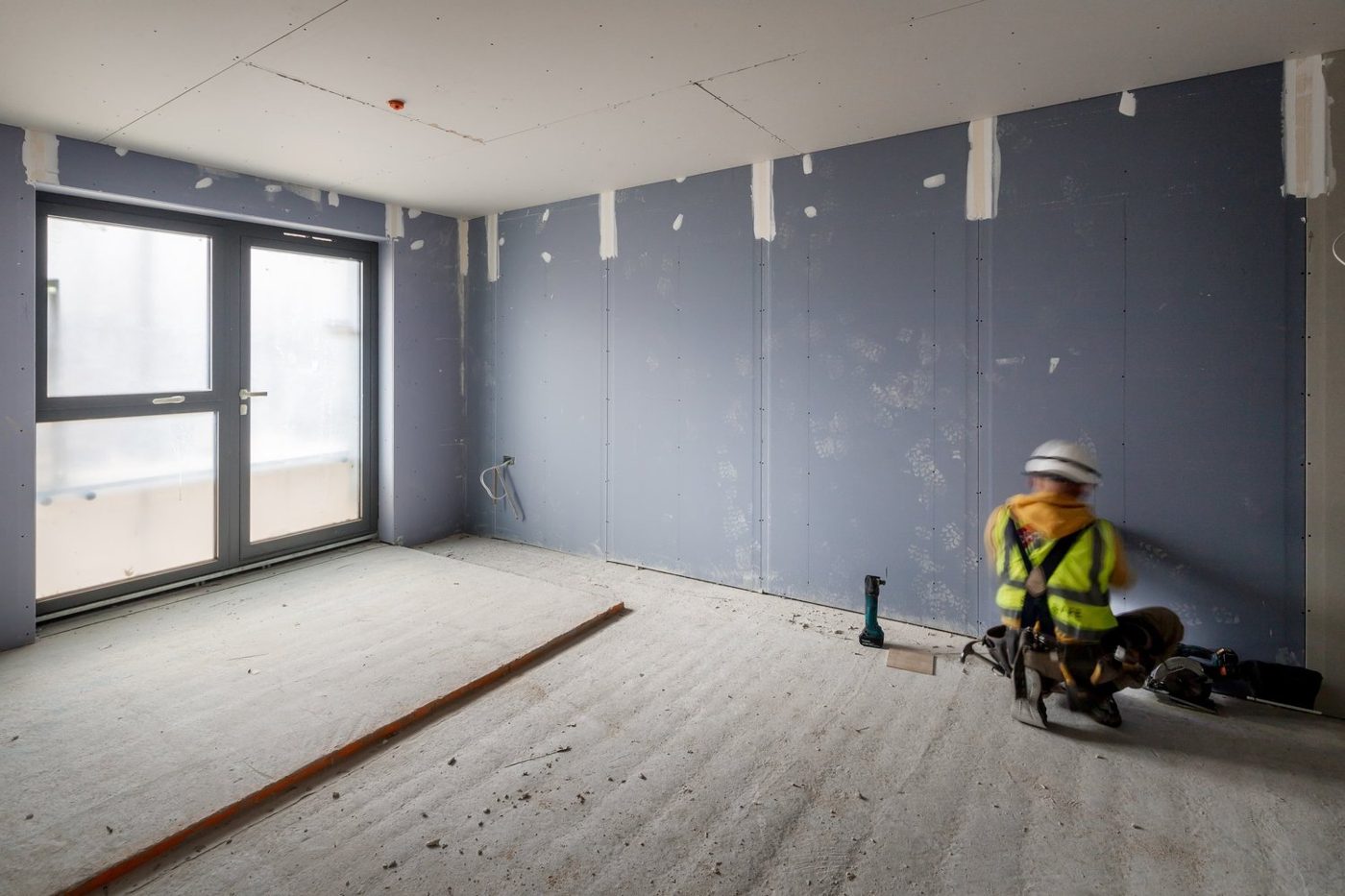
Short visits at the milestones: enabling works, frame, envelope, fit-out. Each visit becomes a short clip you can post while people still care about the job, instead of waiting a year for the finished film.
- Twelve Trees and Woodberry Down, at the top of this page, are films of this kind
- Cut for phones and captioned for social
- A steady run of posts for the length of the job
-
02
A case study film at handover
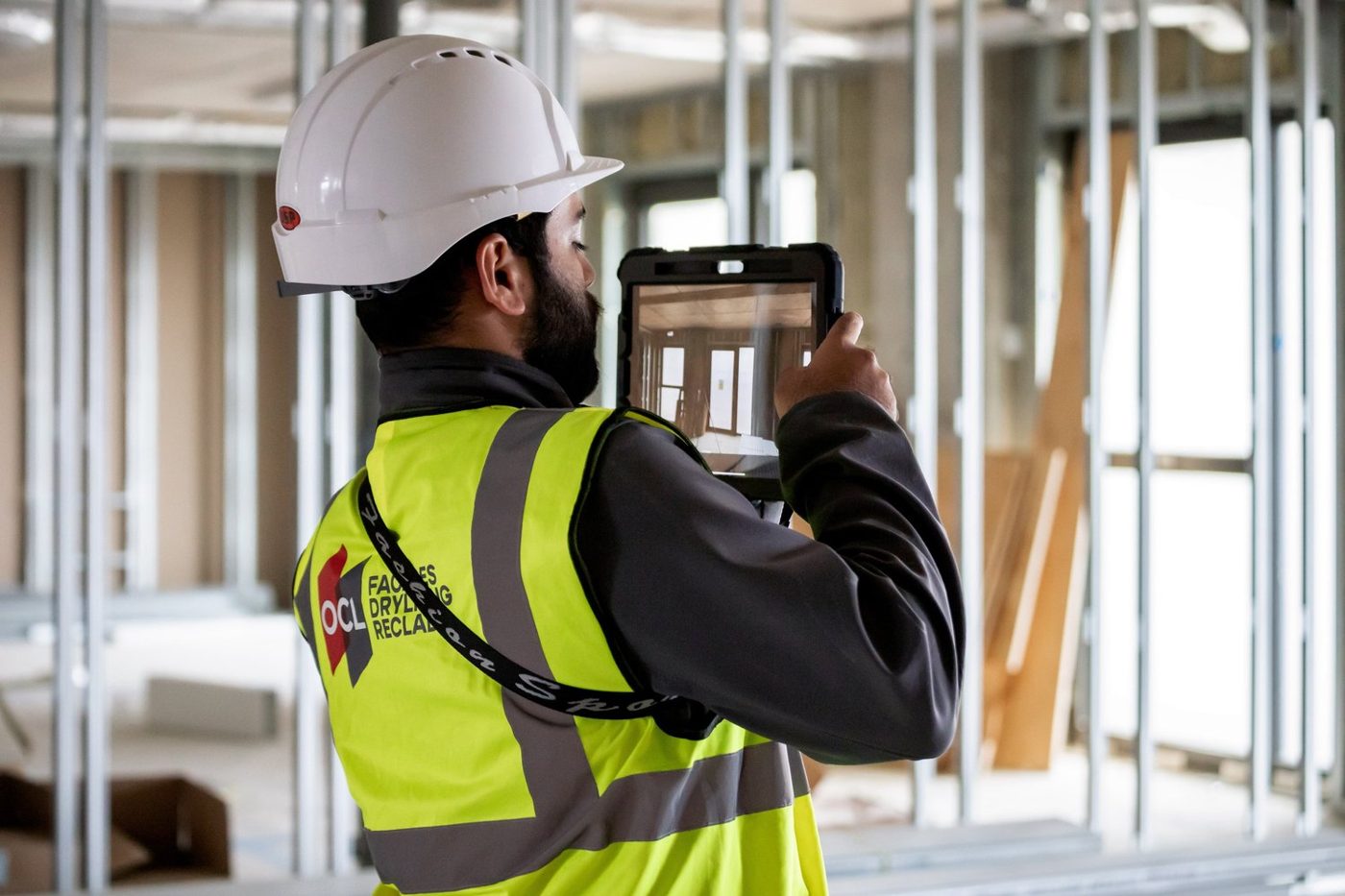
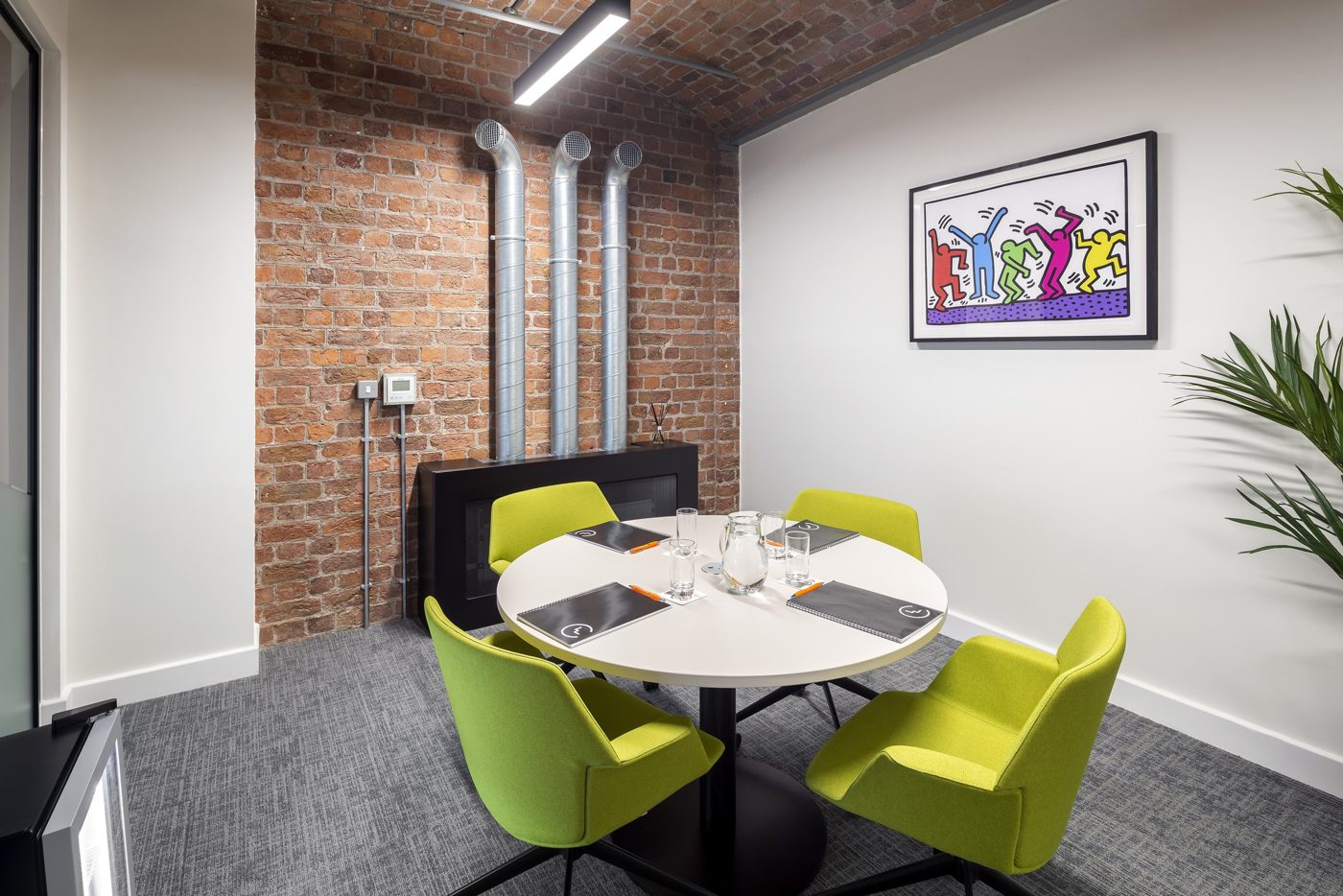
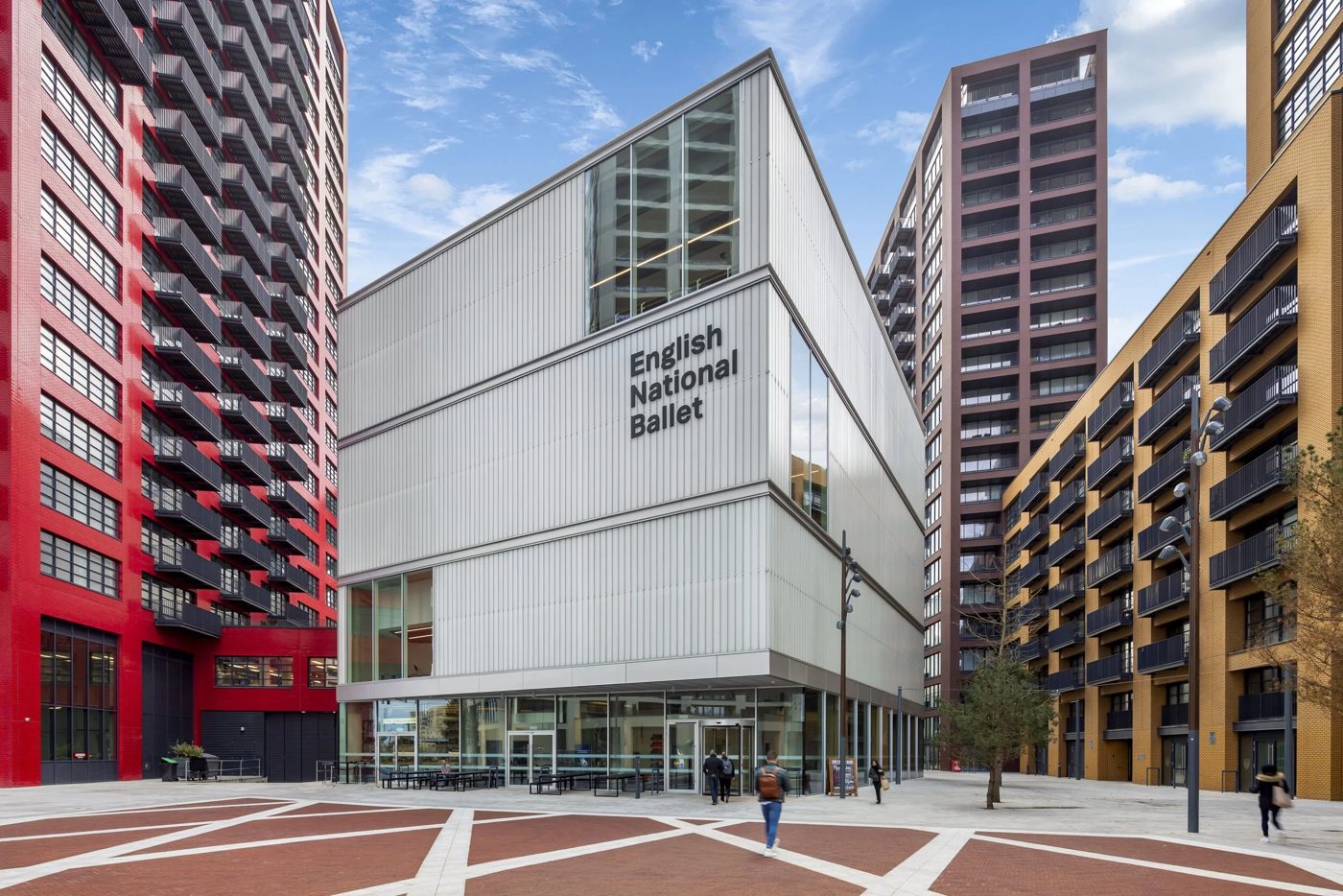
The finished project, filmed once it is clean and before it fills with furniture, with the client or your team saying what it took. This is the film for the website, the case study page and the next tender.
- Inglewood Mews and West End Gate, above, are case study films
- Social cut-downs from the same visit
-
03
The whole project in one film
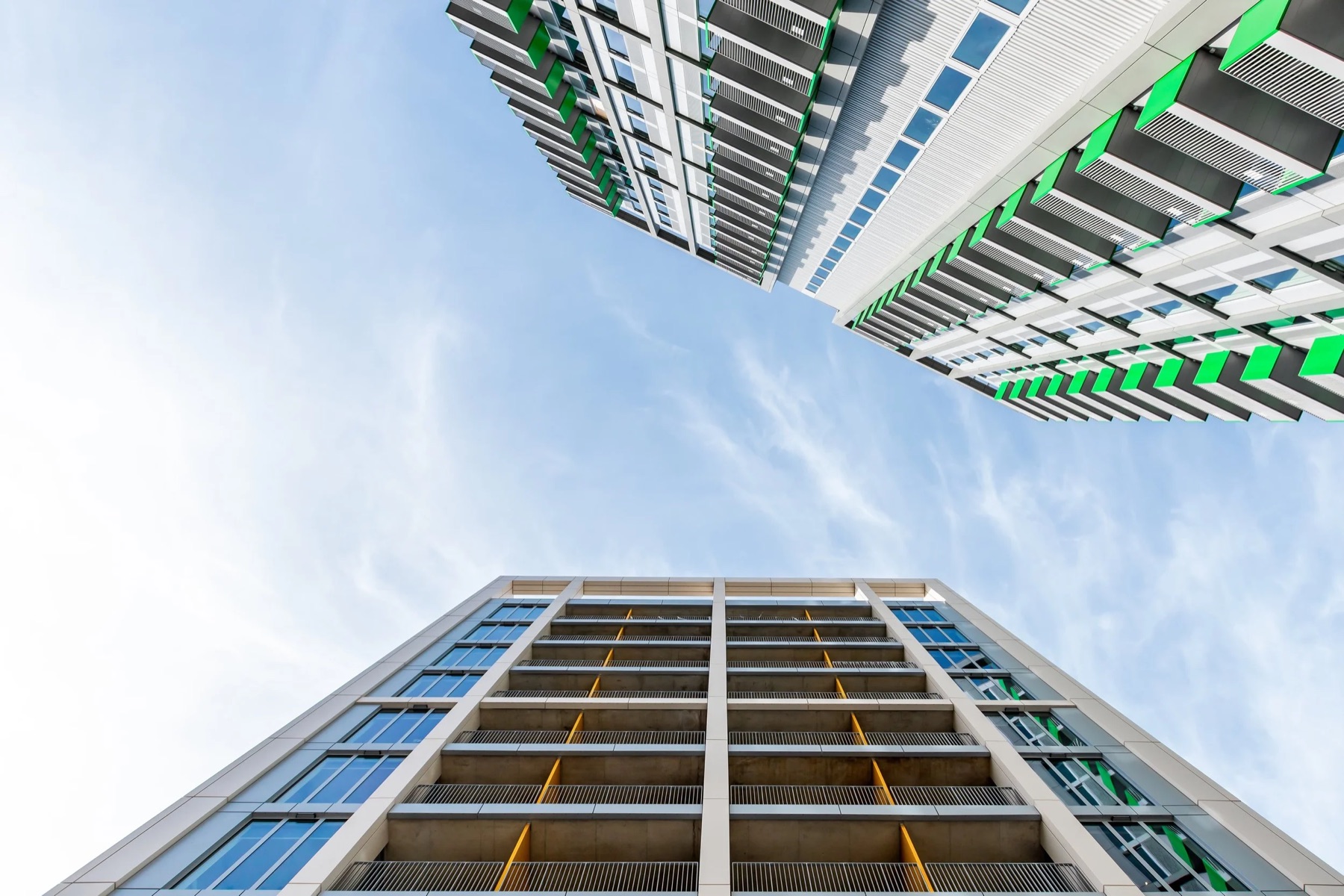
At the end we cut every visit together into one film, from the empty site to the finished building. It shows the scale of the job and the care in it better than anything filmed on a single day.
- Made from footage already shot during the build
- The film to send ahead of the next pitch
Who Video Production is right for
Film is worth commissioning when there is something to show and somewhere to put it. If there is no site to host it and no campaign to run it in, photography usually delivers more per pound to start with.
Contractors with work worth watching
A complex lift, a phased fit-out or a difficult install is genuinely interesting, and almost nobody films it.
Manufacturers selling a process
When the argument for your product is how it is made or installed, film does in forty seconds what a datasheet cannot do at all.
Firms pitching against equals
When three shortlisted companies look alike on paper, showing your team and your standards is the differentiator.
Businesses hiring at scale
Recruitment film consistently outperforms a job advert for site and trade roles.
The problem we solve
Some things a photograph simply cannot carry: the scale of a site, the craft of an install, the people behind the work. Video can, and in a sector built on trust, showing how you work is one of the most persuasive things you can do. Most firms either never film, or produce a three-minute corporate piece nobody finishes.
How we approach video production
- 01
Concept with a job to do
Every film has a purpose, an audience and a place it will be used, before we pick up a camera.
- 02
Shot on site, done properly
On-location filming, drone and interviews captured to a standard worth publishing.
- 03
Work around the programme
We plan filming around live site conditions, inductions and access, so the shoot never becomes the thing holding up the job.
- 04
Edited for attention
Tight edits and social cut-downs made for how people actually watch, platform by platform.
- 05
Used everywhere
One shoot, many assets: website, ads, social, sales decks and recruitment.
What changes
Trust built faster than text can build it
Seeing your team, your site and your standards does more in a minute than a page of copy.
Assets sized for where people watch
One shoot cut for the website, paid campaigns, social and the sales deck.
Longer time on the page
A film that holds attention keeps a prospect on your site instead of back on the results page.
A record of work that disappears
Once a project is handed over and the hoardings come down, the only proof left is what you captured.
What kind of video do you make?
On-site progress films, project case films, team and interview pieces, drone work and social cut-downs, built for your site, ads and social.
Do you handle everything?
Yes, from concept and scripting through filming, editing, grading and delivery.
Where can we use the video?
Everywhere: your website, paid campaigns, social channels, sales decks and recruitment.
How long should our video be?
Shorter than most people expect. Forty to ninety seconds for social and website use, with longer case films only where there is a genuine reason someone would sit through one.
Can you film on a live site?
Yes, and we plan around it: inductions, permits, access, PPE and the fact that the programme will not stop for a camera. Working around live conditions is normal for us rather than an exception.
Do we need a voiceover or presenter?
Often not. Captions carry most social video because the majority of people watch with the sound off, and real site audio with a good edit is usually more convincing than a scripted voiceover.
Other services
Roll camera on your best work
Your projects deserve better than a phone clip. Let's film them properly.
Book a growth consultationOr send a message