
Turning a finished project into national coverage
Your best marketing asset is the work you just handed over. Here is how we turn a completed build into links and headlines.
- Topic
- Digital PR
- Read
- 5 min
- By
- Cornerstone Group
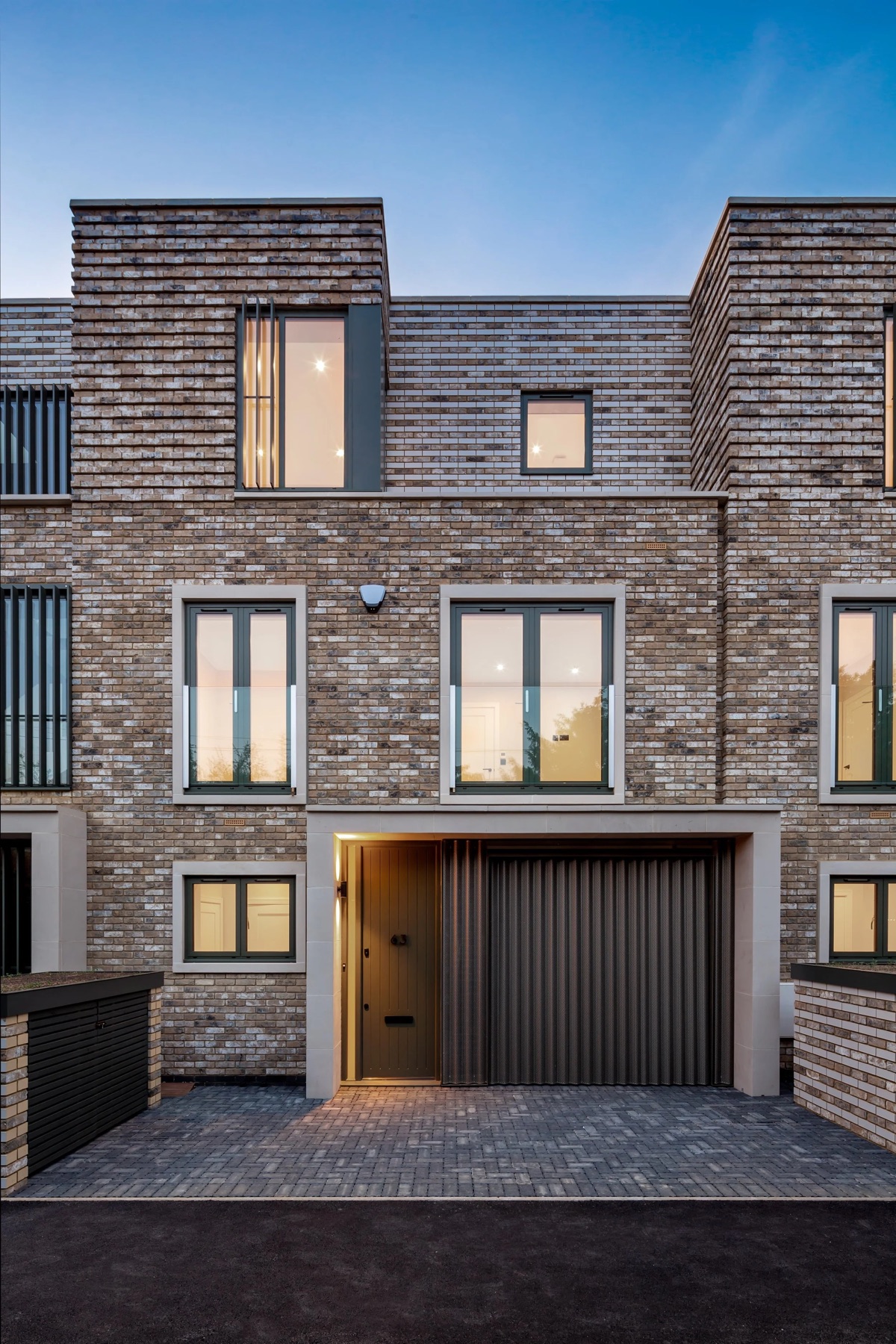
The most valuable marketing asset your firm will produce this year is not an ad or a campaign. It is the project you just handed over. Most built environment firms photograph it, post it once, and move on, while the coverage, links and reputation it could have earned quietly evaporate.
A finished project is a story that has already happened. The work of digital PR is turning that story into something a journalist wants to publish, and a link that lifts you up Google at the same time.
Why finished projects are PR gold
Editors are not short of press releases. They are short of stories with substance: real outcomes, real numbers, a genuine point of interest. A completed project has all of that baked in. It happened, it is real, and it usually solved a problem worth writing about.
It also earns the one thing both reputation and rankings depend on: authoritative links. When a respected publication writes about your project and links to your site, Google reads it as a vote of confidence, and rankings across your whole site benefit.
The angles that actually get published
We finished a building is not a story. These are.
The number
A measurable result. Time saved, tonnes of carbon avoided, a record span, a budget beaten. Data gets published.
The first or the biggest
Anything genuinely novel. The first use of a material, the largest of its type in the region. Novelty is inherently newsworthy.
The problem solved
A difficult site, an impossible deadline, a clever piece of engineering. Editors love a how-they-pulled-it-off narrative.
The human
The apprentice who led it, the local firm punching above its weight, the community it serves. People read about people.
What stops a good story getting published
Editors in this sector are not short of submissions. They are short of submissions they can publish without three days of extra work. Nearly every project pitch that fails does so for one of a handful of avoidable reasons, and none of them are about the quality of the building.
It is worth being blunt about the standard. A national desk will look at a built environment story for a few seconds before deciding, and a trade desk is only slightly more generous. What they are checking is whether the story has arrived finished: images they can use, facts they can verify and a reason to run it this month rather than any other.
No images they can print
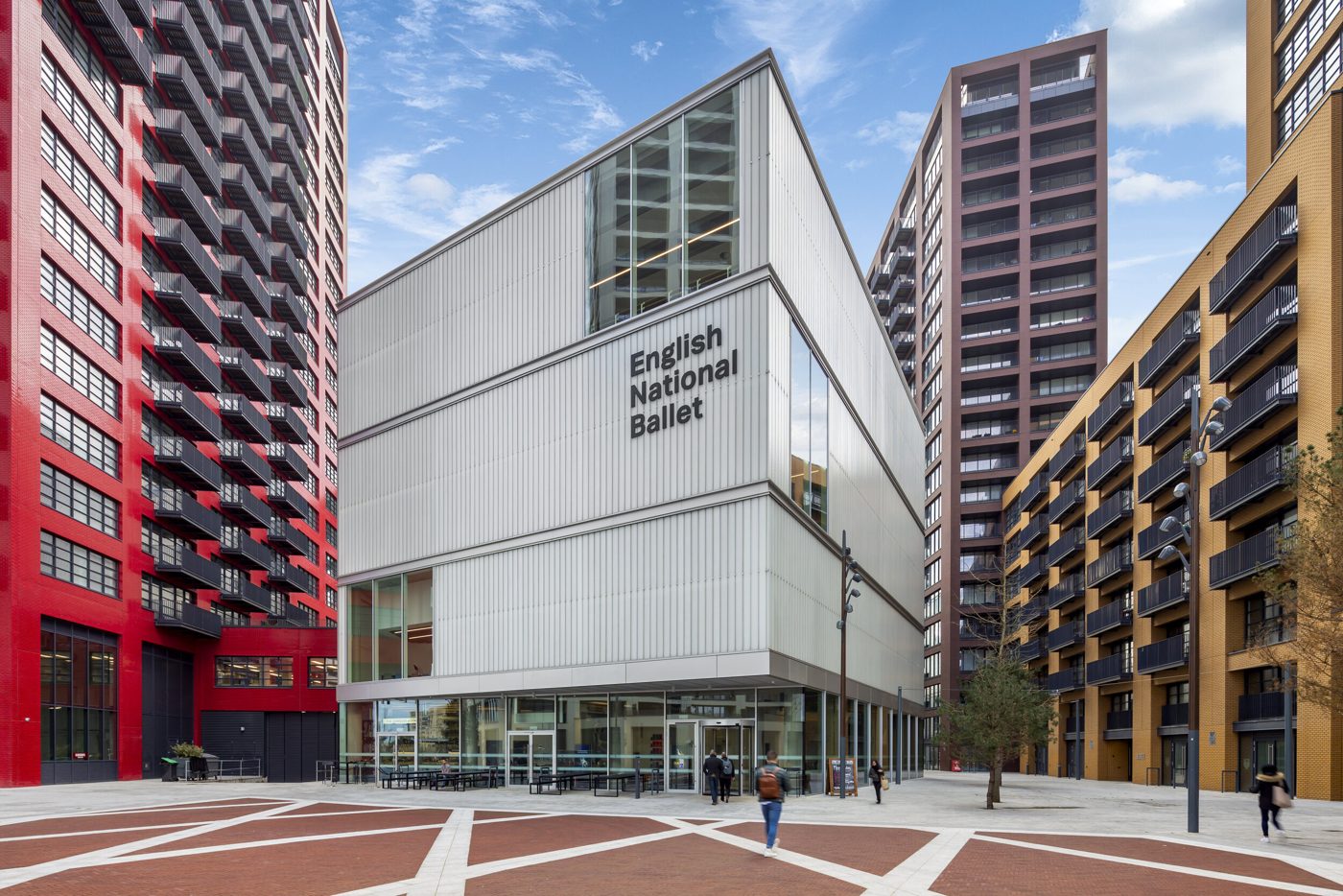
Trade titles and nationals both have image requirements that phone photography does not meet. If there are no publishable images there is no story, however good the project was.
Permissions not cleared
Client, architect and main contractor all need to be comfortable before anything goes out. Chasing that after a journalist has expressed interest is how a live story quietly dies.
Sent too late
A scheme that completed eighteen months ago is not news. The window runs from practical completion to a few months after, which is exactly why the photography has to be in the programme rather than an afterthought.
Written as an advert
A release explaining how delighted a firm is to announce something gets deleted. A note explaining what was difficult and how it was solved gets read.
The fix for all four is procedural rather than creative: decide at the start of a project that it is going to be published, and put photography, permissions and story notes into the programme alongside everything else. Firms who do that get coverage routinely. Firms who decide afterwards get it occasionally, and by luck.
It also compounds. The second time you approach an editor with usable images, cleared permissions and a genuine angle, you are no longer a stranger sending an unsolicited email. You are a source, and sources get asked for comment on stories they never pitched.
From handover to headline
The process is simple, but it has to be deliberate. Pull the angle out of the project while the details are fresh. Gather the proof: the numbers, the quotes, the images. Identify the small number of publications your clients and peers actually read. Then pitch the story to them properly, not as a release blasted to a list.
Do it once and you get a headline. Do it every time you finish something worth talking about, and you build a compounding asset: a back catalogue of coverage and links that makes you look like the obvious authority in your field, because you are.
It is one of the most underused tactics in the built environment, precisely because most firms are too busy building to tell the story. If you have finished something in the last year that you are proud of, there is a good chance the coverage is still sitting there, waiting.
If you want a single place to start, start with the next project rather than the last one. Pick the scheme currently on site that has something genuinely unusual about it: a constraint, a material, a programme nobody believed. Book the photography for the week after completion, get the permission wording into the paperwork now, and write four hundred words about what was difficult while the people who solved it are still on the job and can remember the detail. That is the whole process, and everything else here is a refinement of it.