Web Design
Sites that load fast, work on every device and turn visitors into enquiries.
- Engagement
- 30 day rolling
- Sector
- Built environment
How web design works
Your website is the first handshake most clients get. In the built environment, where projects run into the millions and trust is everything, a slow or dated site quietly costs you work.
We design and build sites that load fast, read clearly and put your best projects front and centre. Every page is built to be found on Google, to look sharp on a phone on a building site, and to make the next step obvious.
Built environment buyers do not browse. A specifier with a live project checks whether you have done this before, whether you are accredited for it and how quickly they can reach a human being. If any one of those answers takes more than a few seconds to find, the tab closes and the next firm on the list gets the enquiry.
We build every site as a hand-coded set of static pages rather than a stack of plugins, which is why they load quickly, stay secure and keep working when nobody has touched them for six months. Structure, copy, photography and schema are handled together rather than bolted on afterwards, so the site is ready to rank and ready to be quoted by AI search from the day it goes live.
Who Web Design is right for
A rebuild is the right call when the site is slow, unmanageable or actively misrepresenting the firm. If the site is sound and the problem is that nobody is finding it, SEO is the cheaper first move.
Contractors and fit-out firms
A site that carries your project history, accreditations and sectors clearly enough that a client can shortlist you without ringing round for references.
Manufacturers and product suppliers
Product, system and specification pages structured so an architect can find the detail they need and download what they came for.
Architecture and design practices
Portfolio-led design that lets the work carry the argument, without the slow, heavy build that usually comes with it.
Developers and property firms
Scheme, leasing and availability pages that stay current and hold up when an agent sends the link on.
The problem we solve
Most built environment websites were built years ago by a generalist and now quietly leak work. They load slowly, look dated on a phone on site, bury the proof a specifier needs and were never structured for Google or AI search. In a sector where a single job can run to six or seven figures, that first impression is expensive to get wrong.
How we approach web design
- 01
Strategy before pixels
We start with who you need to win, what they need to see and the action you want them to take, so the site is built around enquiries, not decoration.
- 02
Designed around your proof
Your projects, accreditations and results lead the design. We make the reasons to trust you impossible to miss.
- 03
Built fast and technical
Clean code, compressed imagery and Core Web Vitals in the green, so it loads in a blink on a phone on a building site.
- 04
Structured for search and AI
Semantic markup, schema and a clear content hierarchy from day one, so Google and AI engines can read and recommend you.
- 05
Yours to run
We hand over a site your team can actually update, with training and an optional care plan.
How a website gets built, step by step
Most built environment sites take six to ten weeks from kickoff. This is what happens in that time, and what you see and approve along the way.
-
01
Discovery and audit
A call, then a close look at what you have now: the current site, where enquiries come from, what people search to find firms like yours and which pages already rank. We agree who the site has to win and what each visitor should do next.
- Every page and address on the current site listed
- The searches the new site should be found for
- One clear next step for every page
-
02
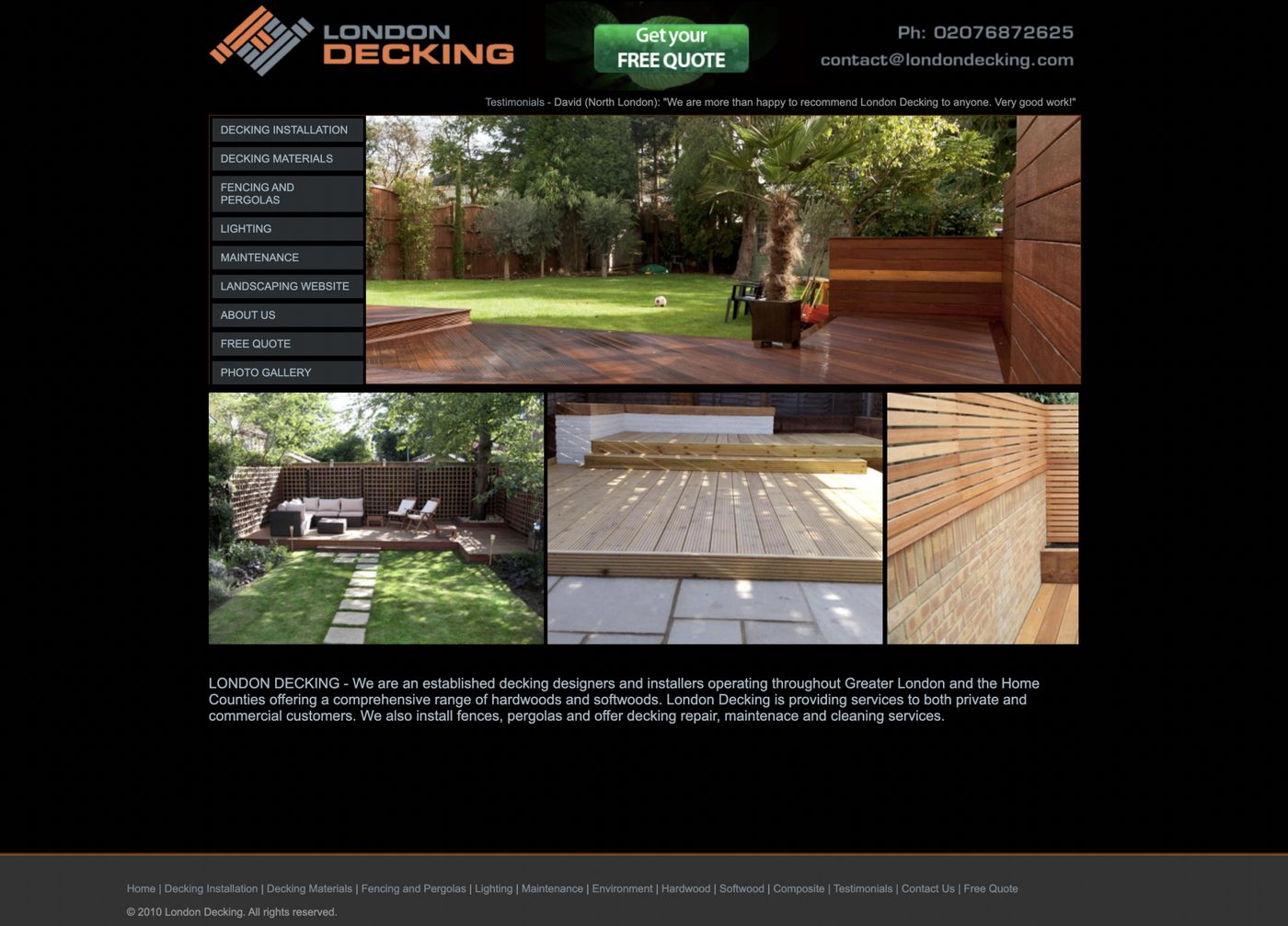
Site map and page plans
Every page is planned before anything is designed: what it is for, what a buyer needs to see on it and where the next step sits. You approve the structure first, so design never starts on guesswork.
-
03
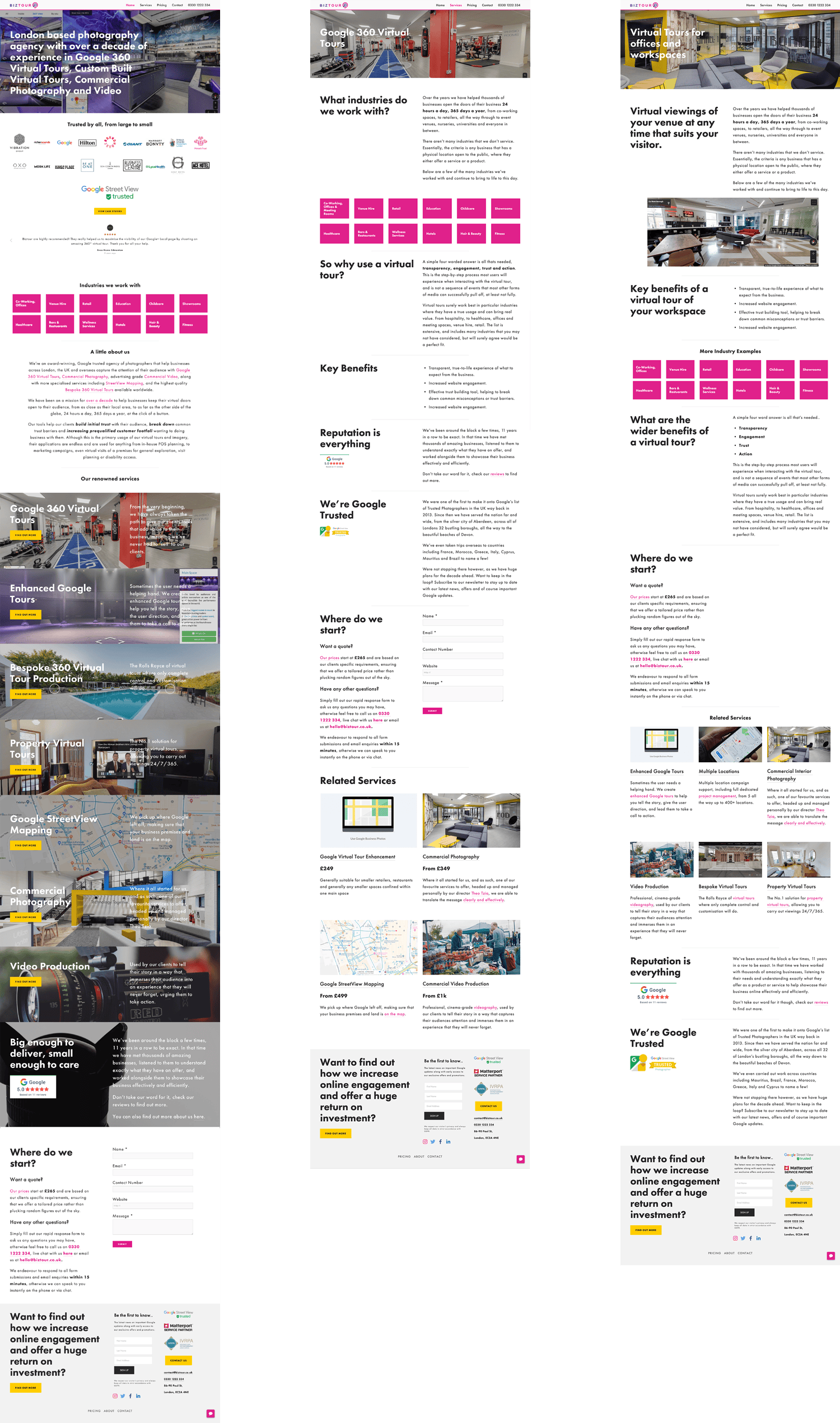
Words and photography
We write the pages and shoot or gather the photography they need, so the build never waits on content. Projects, accreditations and sectors are written the way a specifier looks for them, not the way a brochure lists them.
- Copy written for people and for search
- Your own projects photographed, not stock
-
04
Design
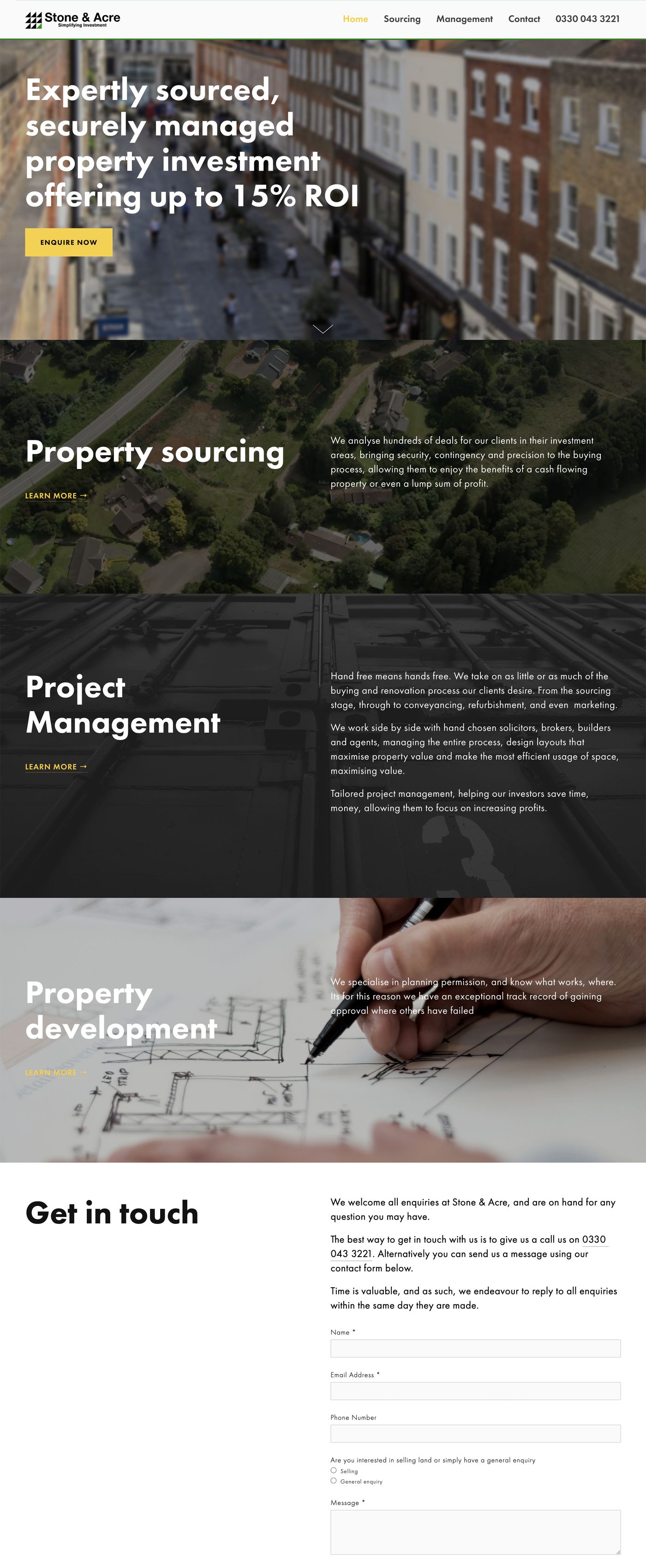
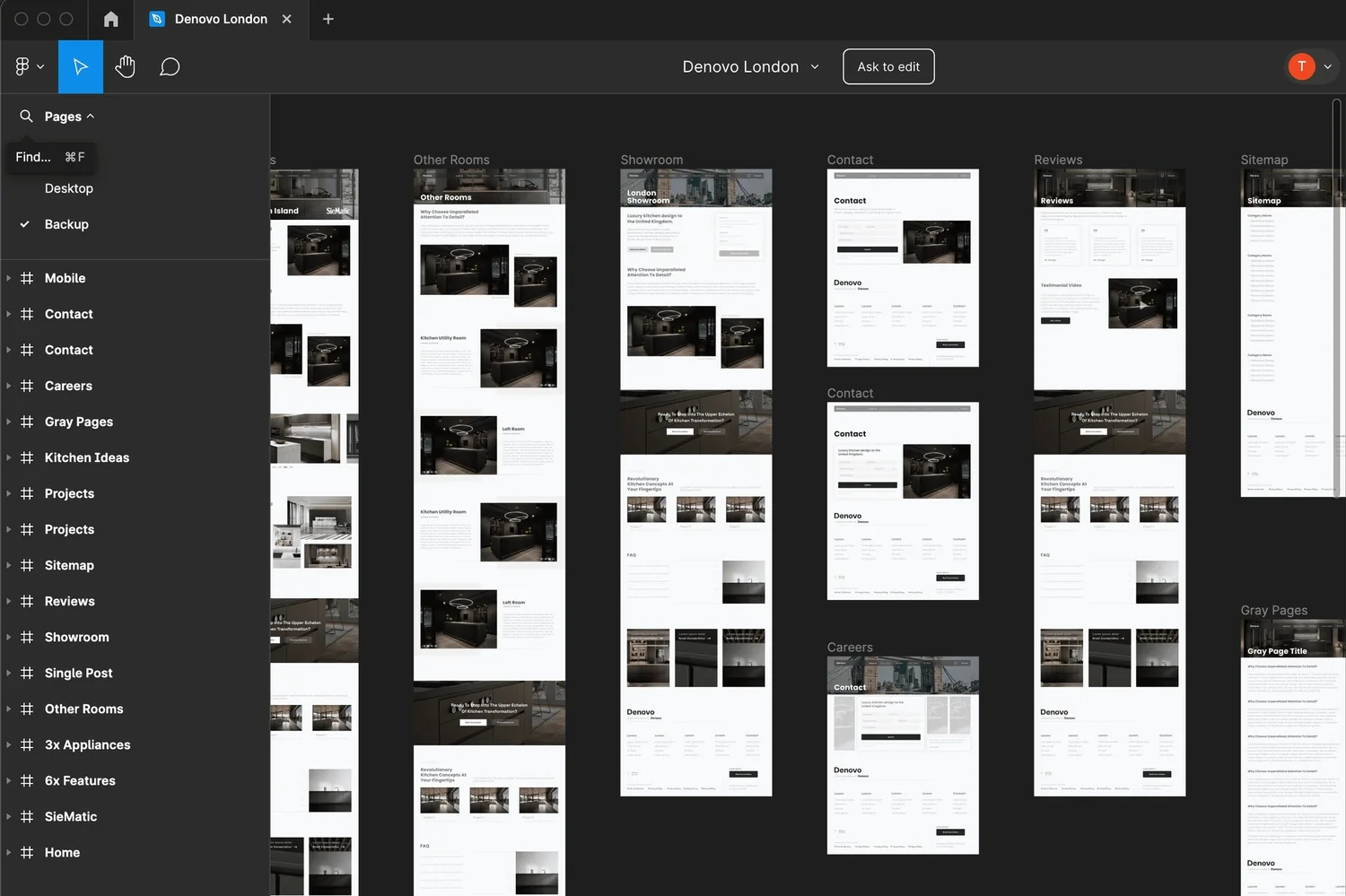
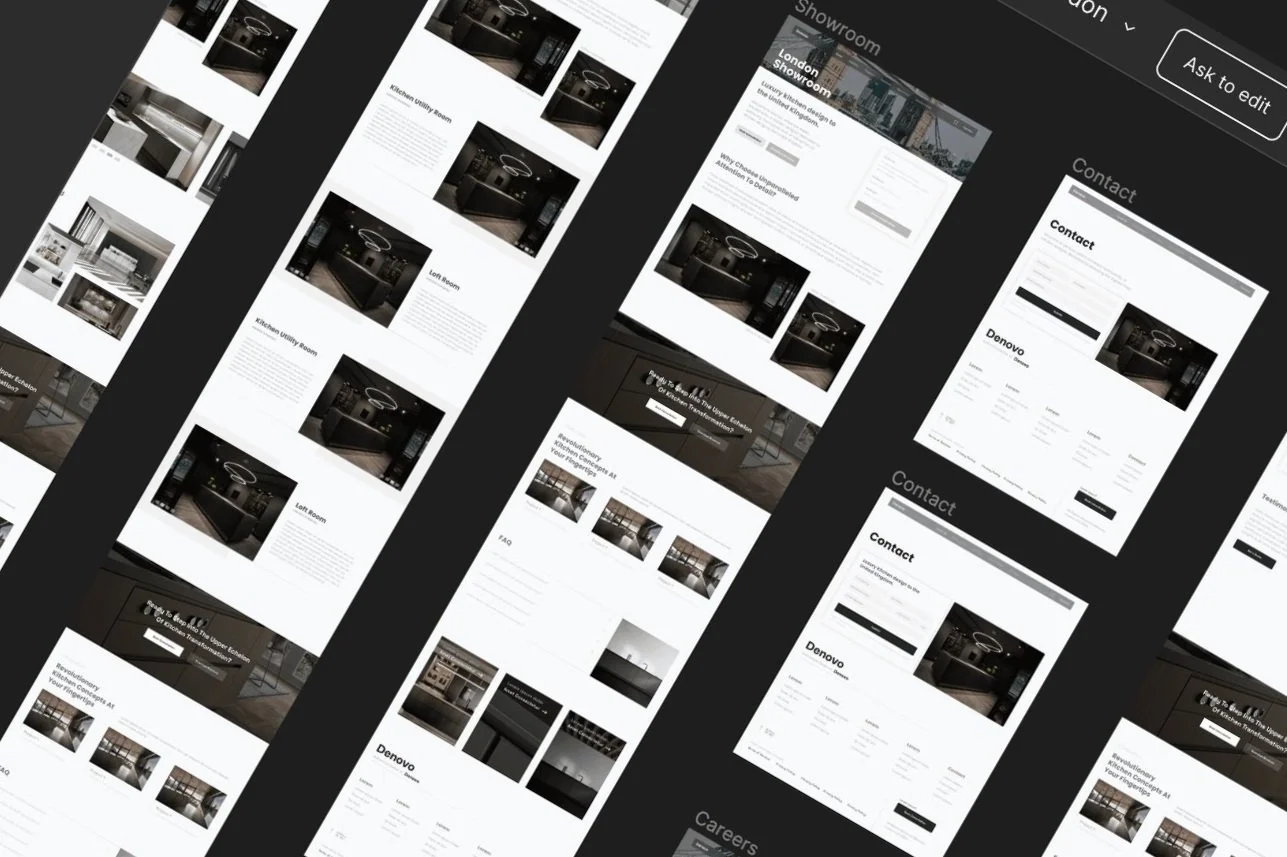
Desktop and phone designs, made as one kit of parts so every page added later still matches. You review real pages with your own words and photographs, not grey boxes.
-
05
Build and test
Hand-coded pages that load quickly, tested on phones and on slow connections, with schema in place and every old address redirected to its new page so the rankings you have already earned carry over.
- Core Web Vitals checked before launch
- Every old address redirected
- Forms and tracking tested end to end
-
06
Launch and handover
We put the site live, check Google can read every page and keep an eye on it in the first weeks. Your team is trained to add projects and news, and a care plan can take the upkeep off your hands.
Talk to us about your site
What changes
A first impression that matches the work
The gap between the quality of the projects and the quality of the website closes on day one.
Pages that load on a bad site connection
Compressed imagery and clean code mean the site still works on a phone with two bars in a portacabin.
A structure Google and AI can read
Semantic markup and schema from the start, so ranking and AI citation work has a foundation instead of a retrofit.
A site your team can actually update
Training and a CMS you can use, so a new project does not need an agency ticket to go live.
How long does a new website take?
Most built environment sites take six to ten weeks from kickoff, depending on the number of pages and how ready your content and imagery are.
Will my site be built for SEO and AI search?
Yes. Every site we build is fast, mobile-first and structured for Google and AI from the ground up, not bolted on afterwards.
Can you rebuild my site without losing rankings?
Yes. We migrate carefully, mapping and redirecting every URL so you keep the rankings and traffic you have already earned.
What does a new website cost?
It depends on the number of pages, how much content and photography needs producing and whether anything has to integrate with your existing systems. We scope it properly after a discovery call rather than quoting a number blind, and everything runs on a 30 day rolling basis.
Do you write the content as well?
Yes. Copy, structure and photography are part of the build rather than something you are left to supply, which is the usual reason a website sits at ninety per cent finished for eight months.
What happens after launch?
You get training and a site your team can update. If you would rather not, an optional care plan covers updates, monitoring and the technical maintenance that keeps a site fast and secure.
Other services
Your website should be winning you work
If yours is not, let's fix that. A short call, an honest opinion, no jargon.
Book a growth consultationOr send a message