Conversion Rate Optimisation
If people visit but don't buy, we find out why.
- Engagement
- 30 day rolling
- Sector
- Built environment
How conversion rate optimisation works
Traffic is only half the job. If visitors arrive and leave without enquiring, more traffic just means more people leaving.
We study how people actually use your site, find the friction and test our way to more enquiries from the visitors you already have.
The friction is rarely where people assume. It is a specification form asking for fourteen fields before it asks for an email address, a phone number that is not tappable on a phone, a page of accreditations that never mentions the sectors you actually work in, or a hero image that takes four seconds to appear on a site connection. None of it shows up in a traffic report.
We start by watching what real visitors do rather than arguing about what they might do. Analytics, heatmaps and session recordings usually make the problem obvious inside a week. From there the work splits in two: plain faults get repaired immediately, and genuine questions of wording, layout or offer get tested properly, so the improvement is proven rather than assumed.
Two websites, old next to new
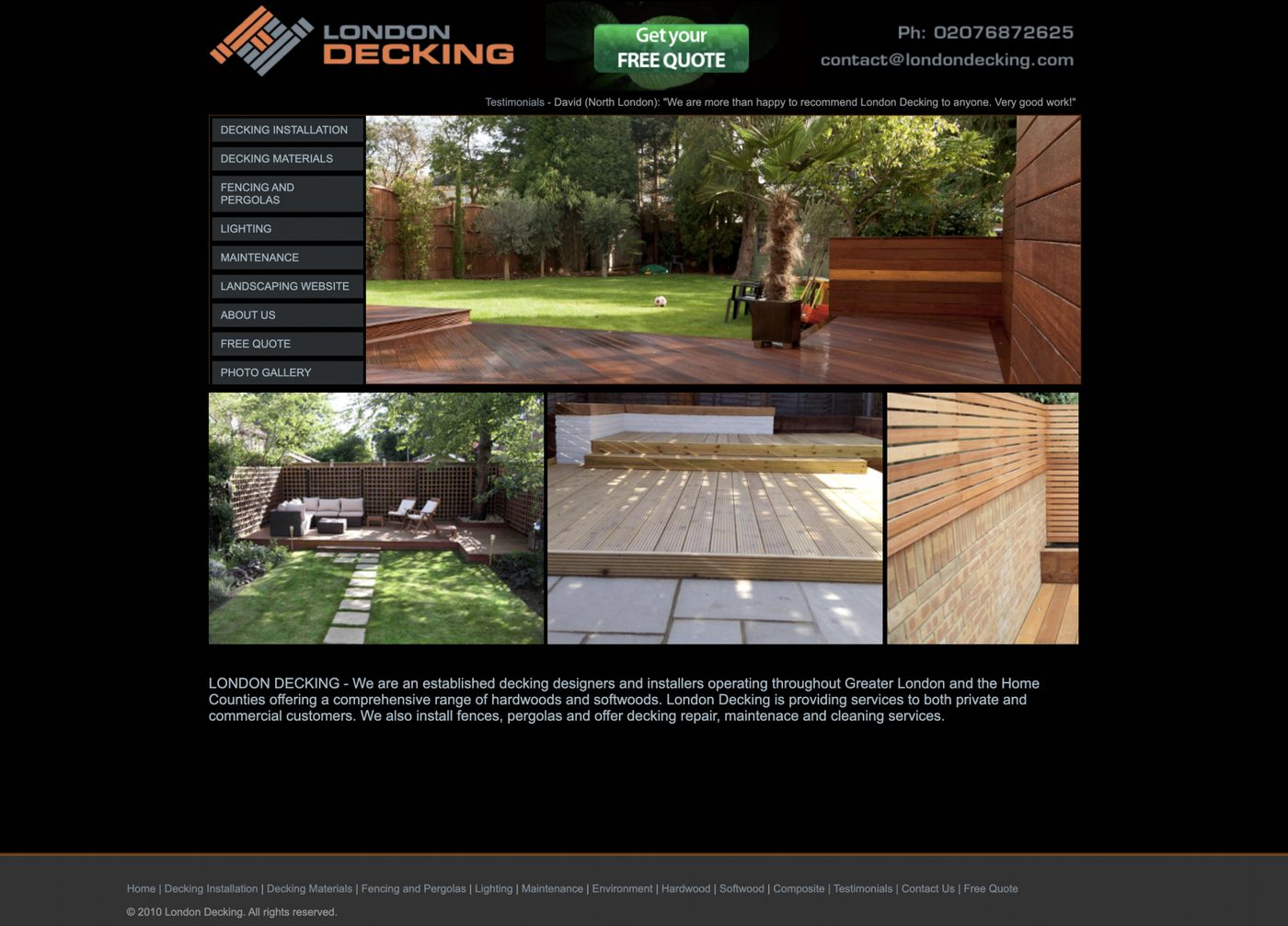
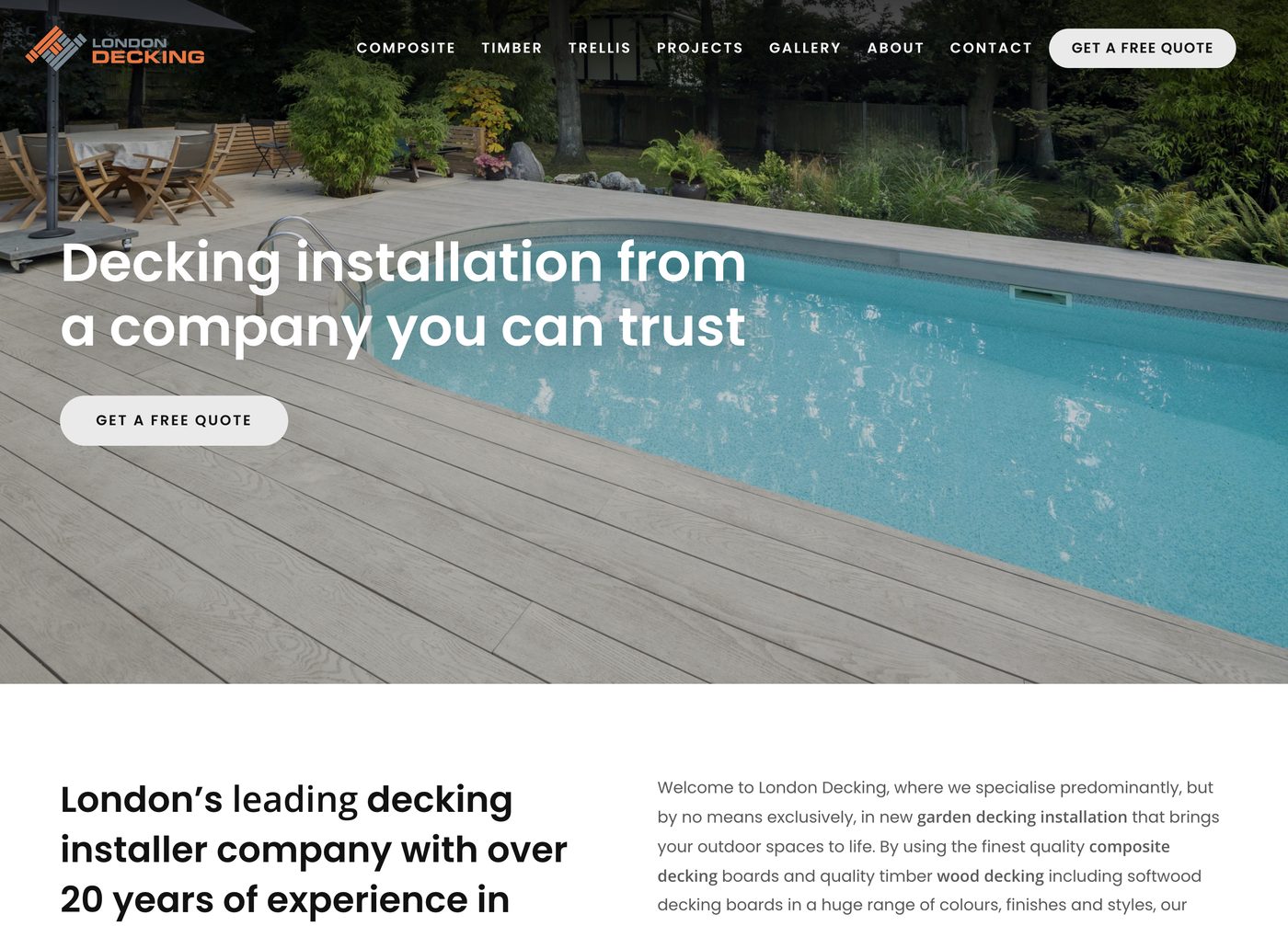
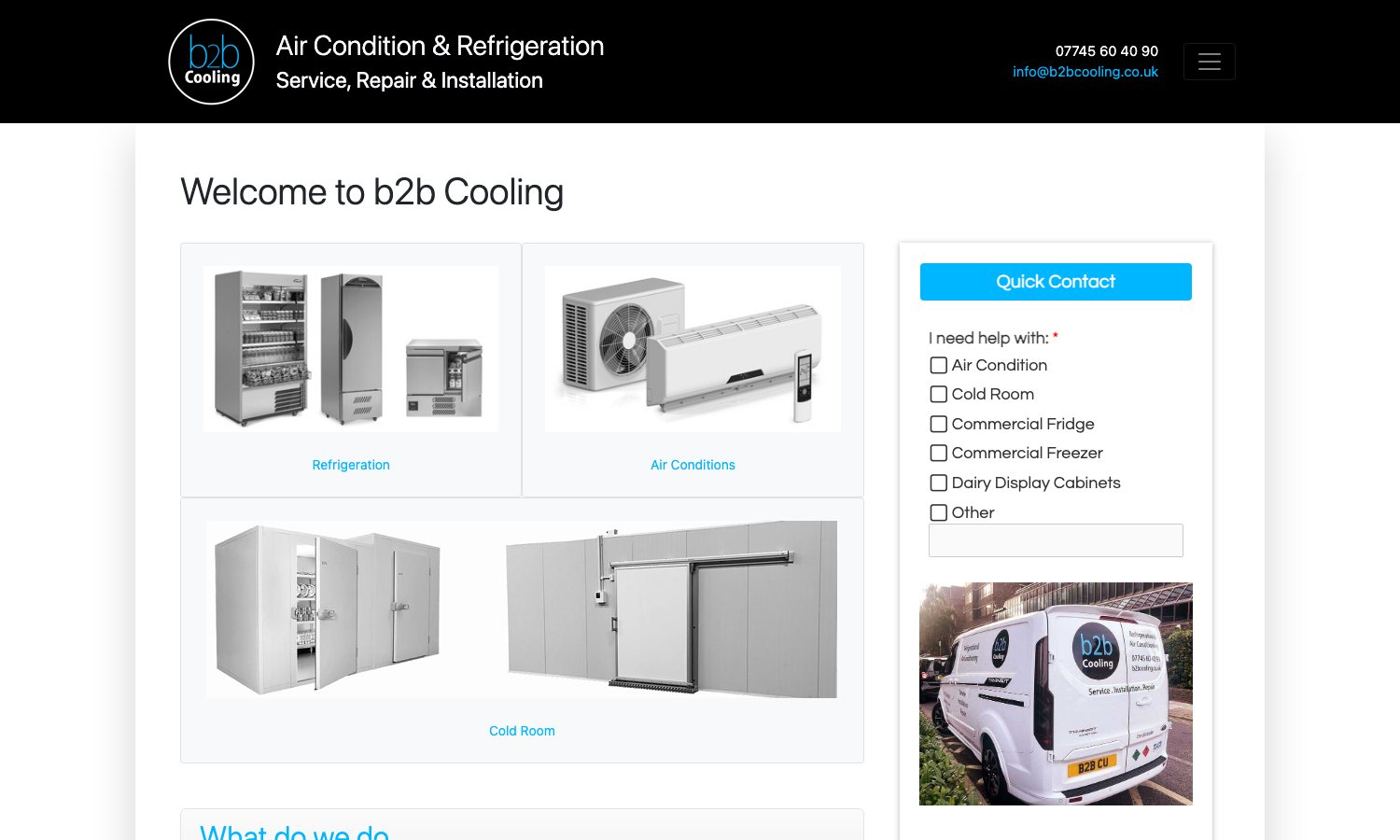
Two sites we redesigned, shown as the first screen a visitor sees, before and after. Neither change is about looks alone: each one makes the next step easier to take.
-
01
London Decking
The old site was black, with a list of links down the left and a small quote button in the corner. The new one says what the firm does in its first line, puts a free-quote button in the header and again in the opening picture, and lets large photographs of finished decks do the selling.
- What they do, in the first line
- The quote button always in reach
- Finished work shown big, not as thumbnails
-
02
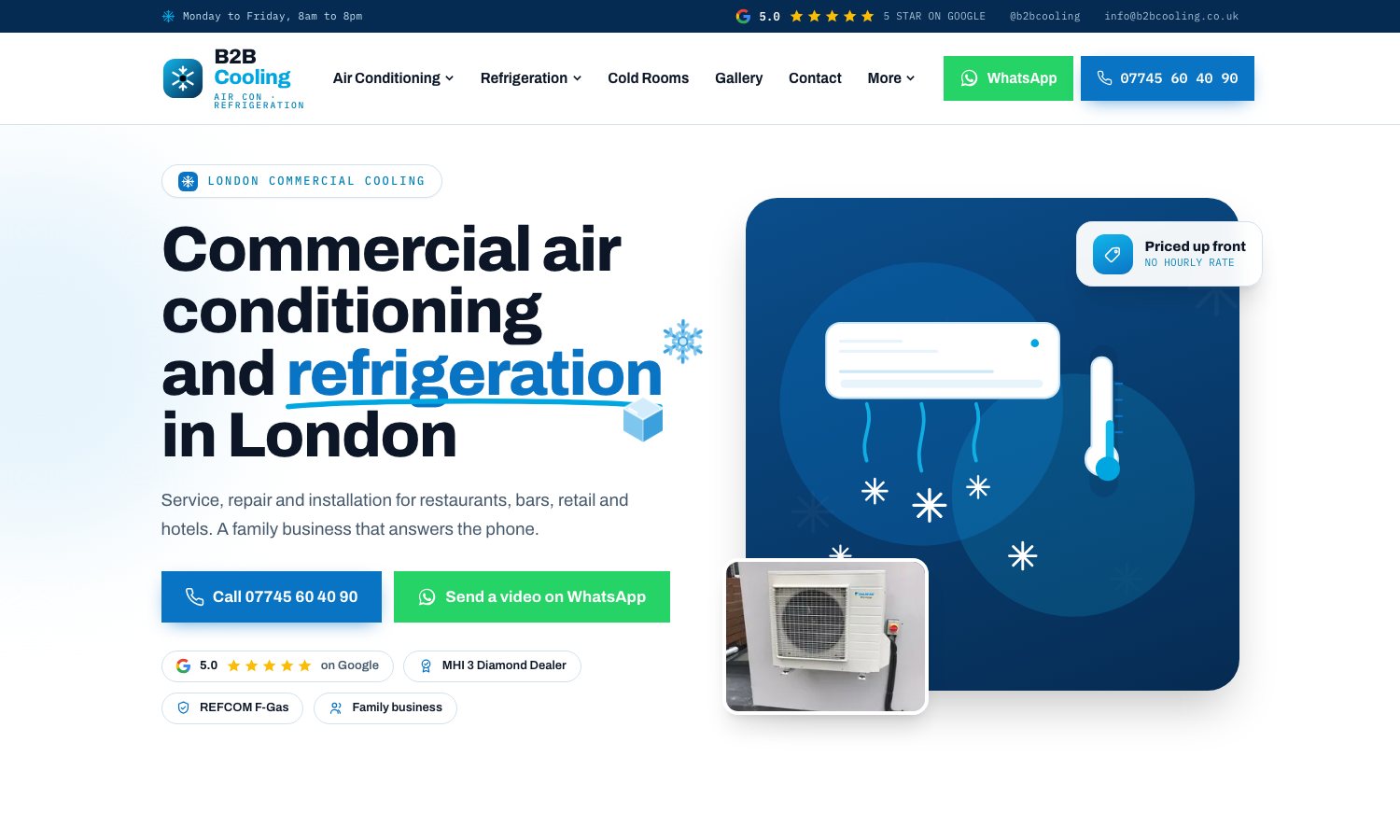
B2B Cooling
A London commercial air conditioning and refrigeration firm. The old home page opened on “Welcome to b2b Cooling” and a checklist form. The redesign names the service and the city in the headline, puts a call button and a WhatsApp button straight under it, and shows the Google rating and trade accreditations before anyone scrolls.
- The service and the place in the headline
- Call or WhatsApp in one tap
- Rating and accreditations on the first screen
Who Conversion Rate Optimisation is right for
CRO needs enough traffic to reach a reliable result. On a low-traffic site we will still fix the obvious friction, but we will be straight with you that formal testing needs volume to mean anything.
Sites with traffic but few enquiries
If the analytics show visitors arriving and leaving, the problem is on the page, not in the marketing budget.
Anyone paying for clicks
Every percentage point of conversion improvement makes the same ad spend go further, permanently.
Firms with long enquiry forms
Specification requests and tender enquiries are where built environment sites lose people. That is usually recoverable.
Businesses about to rebuild
Knowing what actually breaks on the current site is the cheapest research a redesign can have.
The problem we solve
Every extra visitor you send to a site that does not convert just means more people leaving. Most built environment websites lose enquiries to small, fixable friction: unclear next steps, weak proof, slow forms and buried contact details. Fixing that is usually faster and cheaper than buying more traffic.
How we approach conversion rate optimisation
- 01
Find the friction
We study real behaviour with analytics, heatmaps and recordings to see exactly where enquiries leak away.
- 02
Form a hypothesis
Every change is a testable idea grounded in evidence, not a guess or a redesign for its own sake.
- 03
Test and measure
We run A/B and split tests so improvements are proven, not assumed.
- 04
Fix the obvious first
Some things do not need a test: a broken form, a hidden phone number or a five-second load are simply repaired.
- 05
Compound the wins
Small, steady gains stack into a meaningfully higher enquiry rate from the traffic you already have.
What changes
More enquiries from the same traffic
No extra spend, no extra rankings, just fewer people leaving before they ask.
Paid media that goes further
A better converting page lowers the cost per enquiry across every channel pointing at it.
Evidence instead of opinion
Decisions come from recordings and test results, which ends the argument about what the homepage should say.
A redesign brief grounded in fact
When a rebuild does come, it starts from what is measurably broken.
What is conversion rate optimisation?
The work of turning more of your existing visitors into enquiries by finding and removing the friction that makes them leave.
How do you decide what to change?
We study real user behaviour with analytics, heatmaps and testing, so changes are based on evidence, not guesses.
Do I need more traffic first?
Not necessarily. Converting more of the traffic you already have is usually the fastest and cheapest win.
How much traffic do we need for testing?
Formal A/B testing needs enough visitors to reach a reliable result, which many built environment sites do not have. On lower-traffic sites we fix the obvious friction and measure the before and after rather than pretending a test is conclusive.
How long does a test take?
Usually two to six weeks depending on traffic and how big a difference the change makes. We will not call a result early because the first few days looked promising.
Will this mean redesigning the site?
Rarely. Most of the gain comes from specific fixes to forms, calls to action, proof and page speed. If the site does need rebuilding, the CRO work becomes the evidence base for the brief.
Other services
Stop leaving enquiries on the table
You already have the traffic. Let's make more of it convert.
Book a growth consultationOr send a message