Turning your showroom into a lead machine
A beautiful showroom nobody can find online is an expensive room. How to make it work for you while you sleep.
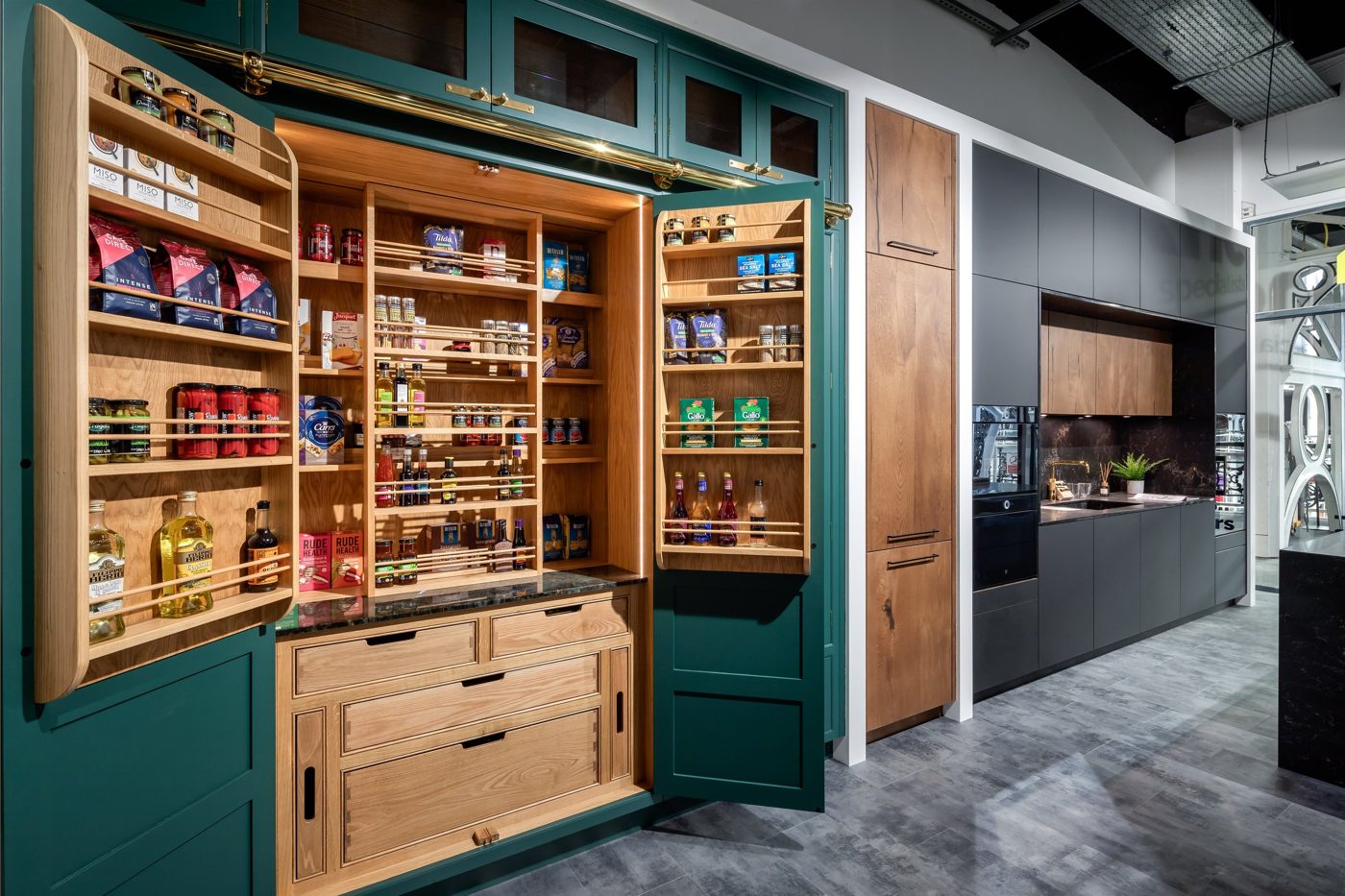
A beautiful showroom is one of the most expensive assets an interiors or design brand owns, and for most of them it works only when it is open, only for people who already know it exists, and only for those close enough to visit. The rest of the time it sits dark, full of potential enquiries it will never meet.
The opportunity is to make that room work around the clock, for people who will never walk through the door, and turn a physical showroom into a source of leads that never sleeps.
The expensive room problem
The showroom does its job brilliantly for the small number of people who visit. The problem is everyone else. The buyer three counties away, the specifier researching at 11pm, the client comparing options online before they ever pick up the phone. To all of them, a showroom that exists only in the physical world does not exist at all.
That is a lot of demand meeting a closed door.
How to make it work while it is closed
A 360 tour of the space
Let anyone walk the showroom online, any time, from anywhere. It is the closest thing to a visit, and it removes distance and opening hours as barriers.
Photography that sells the feeling
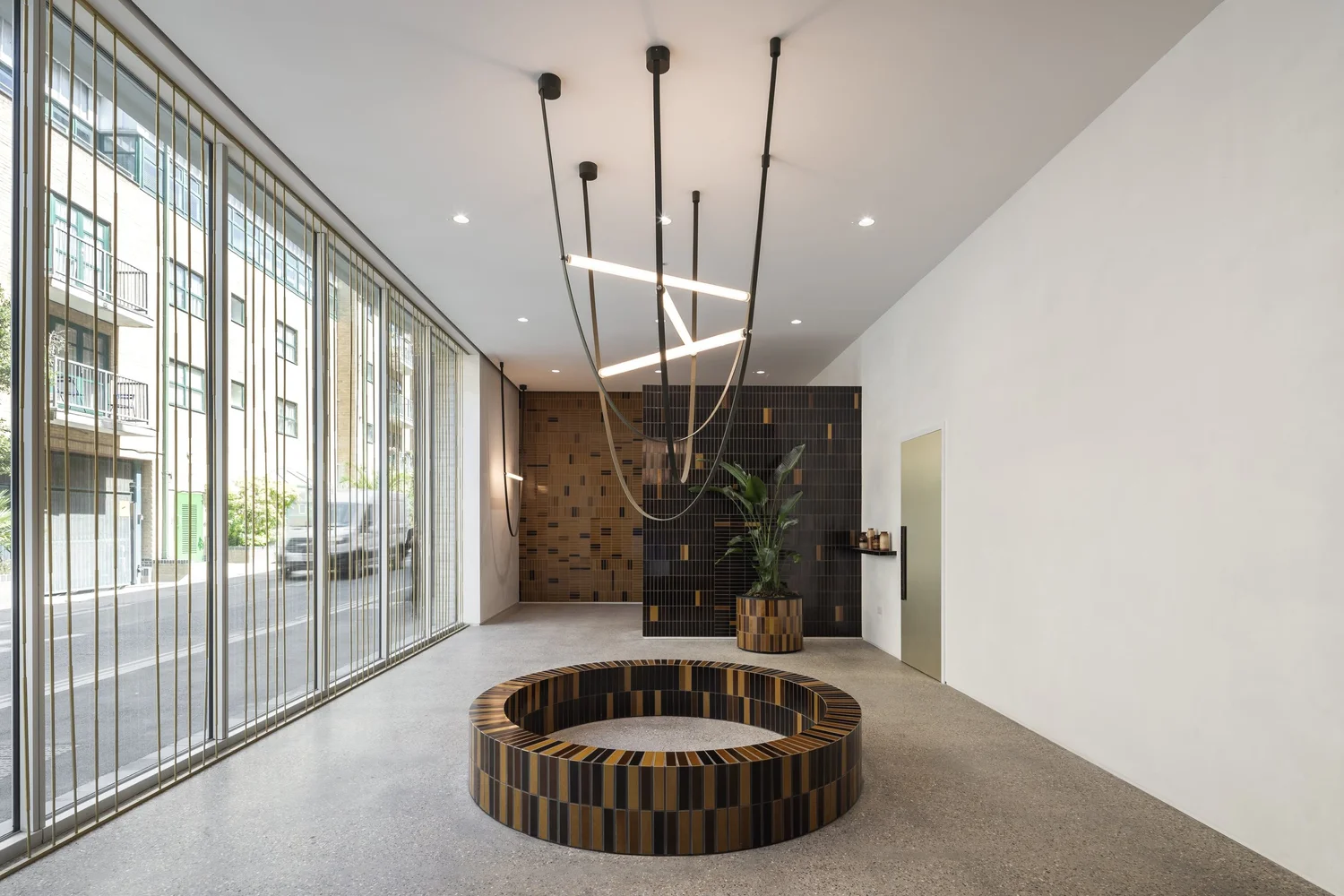
A showroom is an experience. Strong photography carries that experience onto every page, deck and post.
Search that finds intent
People searching for what your showroom offers should find you, whether or not they know your name. That is SEO doing the work the building cannot.
An obvious next step
Every online visitor should be one click from booking a visit, a call or an enquiry. A room that inspires but does not capture is a leak.
Make the visit bookable, not hopeful
The mechanics matter as much as the tour itself. The tour lives on a page built around the searches people actually make for a space like yours, with a visible book-a-visit button beside it, not buried under it. The same tour attaches to your Google Business listing, where it turns a map result into a walk-through. And everyone who enquires gets a short follow-up with the tour link, because the person they show it to at home is usually the other half of the decision.
Then measure the one number that matters: how many of the people who walked the space online go on to walk it in person. That is the figure that turns the showroom from a cost centre conversation into a pipeline one at your next board meeting.
The searches a showroom should own
A showroom has an advantage most businesses do not: it is a physical place, in a named location, containing specific things. That combination maps almost perfectly onto how people search when they are close to buying, and it is the part most showroom websites leave entirely unclaimed.
The category and the place
Tile showroom in Hertfordshire, kitchen showroom near Guildford. Unglamorous, low volume, and made by people who intend to visit somewhere this month.
The brands you stock
Buyers frequently search a manufacturer name plus a location because they want to see the product in person. If you stock it and never name it on the page, that search goes to a competitor who did.
The question before the visit
Whether you do design appointments, whether samples can be taken away, whether there is parking. Answering these removes the reason to ring around first.
The style, not just the product
Searches describing a look rather than a material are how a lot of residential buyers begin. Project imagery, captioned properly, is what makes those findable at all.
Google Business Profile does half of this work if it is kept current: correct hours, real photographs of the space rather than the exterior, products listed, and reviews actively asked for rather than hoped for. It is free, it appears above the organic results, and in most towns the showrooms competing with you have not touched it in two years.
One caution: keep it honest. A page listing brands you no longer stock or hours you no longer keep does more damage than no page at all, because the person it disappoints has already made the journey.
The rest sits on your own site, and it is mostly a matter of writing down things you already know. What is in the showroom, which brands, what happens during a visit, why coming in beats ordering online. Firms treat all of that as too obvious to publish, which is precisely why it is still available.
From destination to engine
Done well, the showroom stops being a destination a few people find and becomes an engine that generates enquiries continuously. The space stays exactly as it is. What changes is that its reach is no longer limited by its opening hours or its postcode.
That is the shift worth making: taking the most persuasive asset you own and making sure it persuades the people who cannot walk in, because they are the majority, and right now most of them do not know you exist.
The showroom is already the most expensive marketing asset you own. Everything here is about making it work on the days nobody walks through the door, which is most of them. That is not a technology project. It is a decision to publish what is already true.
Showroom working a 40 hour week?
Your space already persuades everyone who walks in. Let us put it online properly so it persuades at 11pm on a Sunday too.
Put your showroom online →