
The case study every fit-out firm should be publishing
Your finished projects are your best pitch, and most firms never write them up. A simple format that wins the next one.
- Topic
- Fit Out
- Read
- 5 min
- By
- Cornerstone Group

Every fit-out firm has a folder of finished projects, and almost none of them are working as marketing. A few photos on an Instagram grid, maybe a line on the website, and then on to the next job. Meanwhile the single most persuasive thing you could show a prospective client, proof that you have already done exactly what they need, sits unused.
A proper case study fixes that. Not a gallery, not a brochure, but a short, structured story that does the selling for you long after the project hands over.
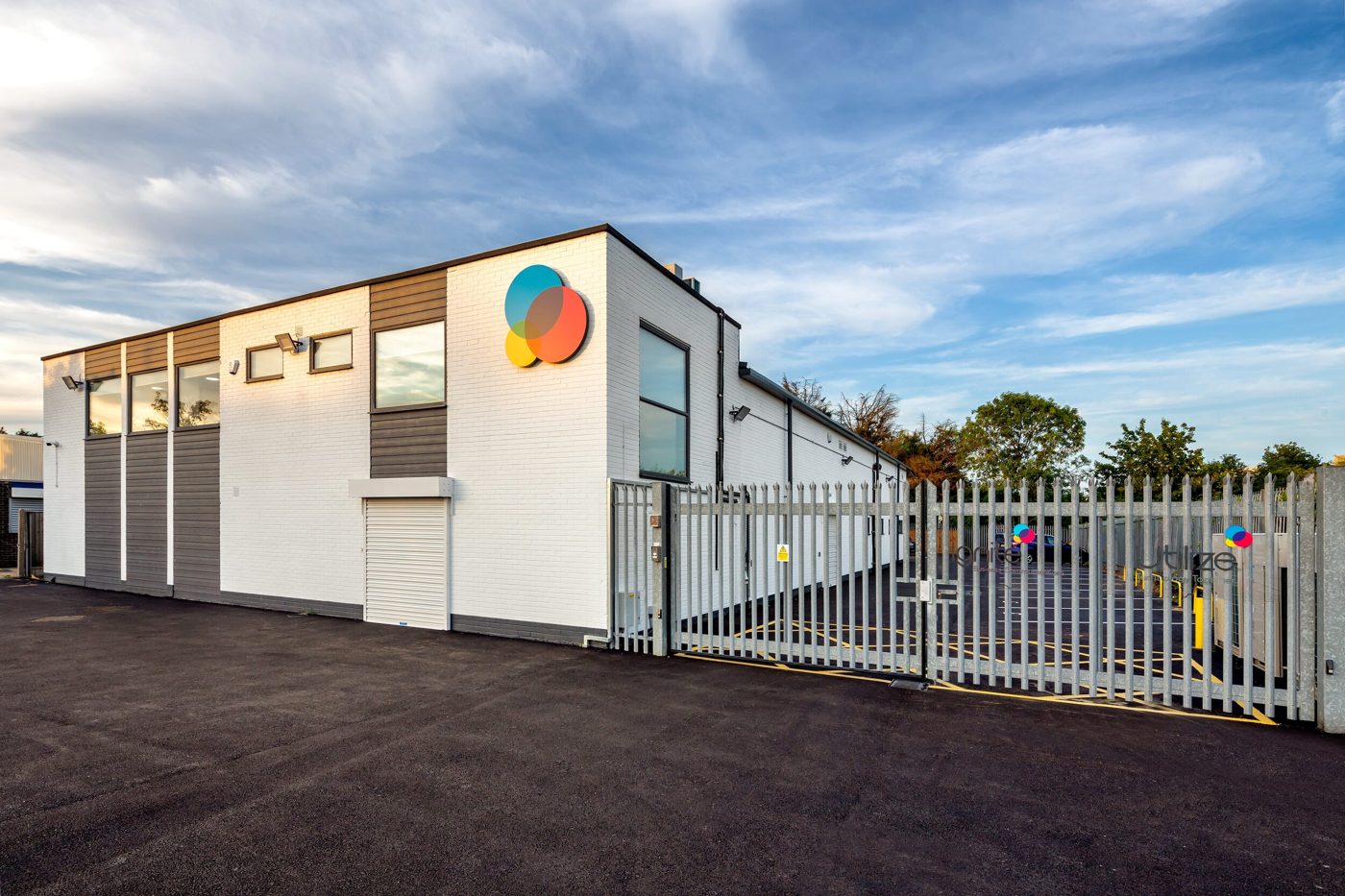
Why most case studies fail
Most fit-out case studies are just pictures. Beautiful, but silent. They show the result and skip the only things a prospective client actually cares about: what the problem was, how you solved it, and what it was like to work with you. Without those, a stunning photo is just a stunning photo. It does not tell the buyer that you can do the same for them.
The format that wins the next job
A case study that actually converts follows a simple shape. It takes ten minutes to gather at handover and works for years.
The brief and the constraint
What did the client need, and what made it hard? A live environment, a tight programme, a difficult building. The constraint is what makes you look capable.
What you did
The approach, in plain language. Not a shopping list of trades, but the decisions that mattered and why.
The result
Finished on time, to budget, zero disruption to the client's operation, a space their people love. Specifics, not adjectives.
The client's words
One honest quote from the person you did it for is worth more than a page of your own copy.
The ten-minute handover kit
The reason case studies never get written is that everyone tries to write them months later, when the details are gone and the client has moved in. Capture four things in the week of practical completion and the case study writes itself.
The photographs, before occupation
Shoot the space finished but empty, then again in use. The window for the clean set is days, not months.
Three numbers
Programme in weeks, size in square feet, and the one figure the client cared about. Specifics are what get remembered and quoted.
The quote, while they are delighted
Ask on handover day, when the goodwill is at its peak. A month later you are chasing; on the day, they volunteer it.
The constraint, in one line
What made this job hard: the live floors above, the six week programme, the listed facade. Write it down before it starts feeling normal.
Getting the client to say yes
The most common reason a fit-out case study never appears is not that nobody wrote it. It is that somebody wrote it, sent it to the client for approval and never heard back. Approval is a process problem, and it is solvable once you stop treating it as an afterthought.
Ask in the contract, not at the end
A clause agreeing in principle to photography and a written case study, subject to sign-off, costs nothing at the point of appointment and is very hard to obtain eight months later.
Send a draft, not a request
Asking permission to write something invites a decision. Sending a finished draft with the images attached invites edits, which is a far easier yes.
Offer the anonymous version
Some clients cannot be named for commercial reasons and will happily approve a leading law firm in the City. A nameless case study is worth considerably more than no case study.
Give a deadline that is real
Publishing next month unless we hear otherwise moves a draft off a busy person's desk in a way that at your convenience never will.
It helps to remember what you are actually asking for. Most clients are pleased with the work and mildly flattered to be featured. The ones who say no are usually saying no to the timing, or to a legal team's default position, rather than to you, and asking again in six months is often all it takes.
Where a client genuinely will not agree, the work is not wasted. Strip the identifying detail and you still have a page about a type of project, a constraint and a solution, which is what a prospective client is searching for anyway. The name adds credibility, but the problem and the answer are what get read.
Publish it where it works
Written properly, one case study earns its keep everywhere. It ranks on Google for the kind of project you want more of. It sits in your pitch deck as instant proof. It feeds your social and your PR. And it quietly answers the question every new client is really asking: have you done this before, for someone like me?
The firms that win consistently are rarely the ones doing the best work. They are the ones who make their best work visible. A back catalogue of well-told case studies is how you do exactly that, and most of your competitors are still just posting photos.
You already did the hard part when you delivered the project. Writing it up is a couple of hours against months of work, and it is the only part of the job that carries on selling after the site has closed.