LinkedIn for the built environment, beyond the site-photo dump
Posting another scaffolding shot is not a strategy. How built environment brands actually build authority on LinkedIn.
- Topic
- Social
- Read
- 5 min
- By
- Cornerstone Group
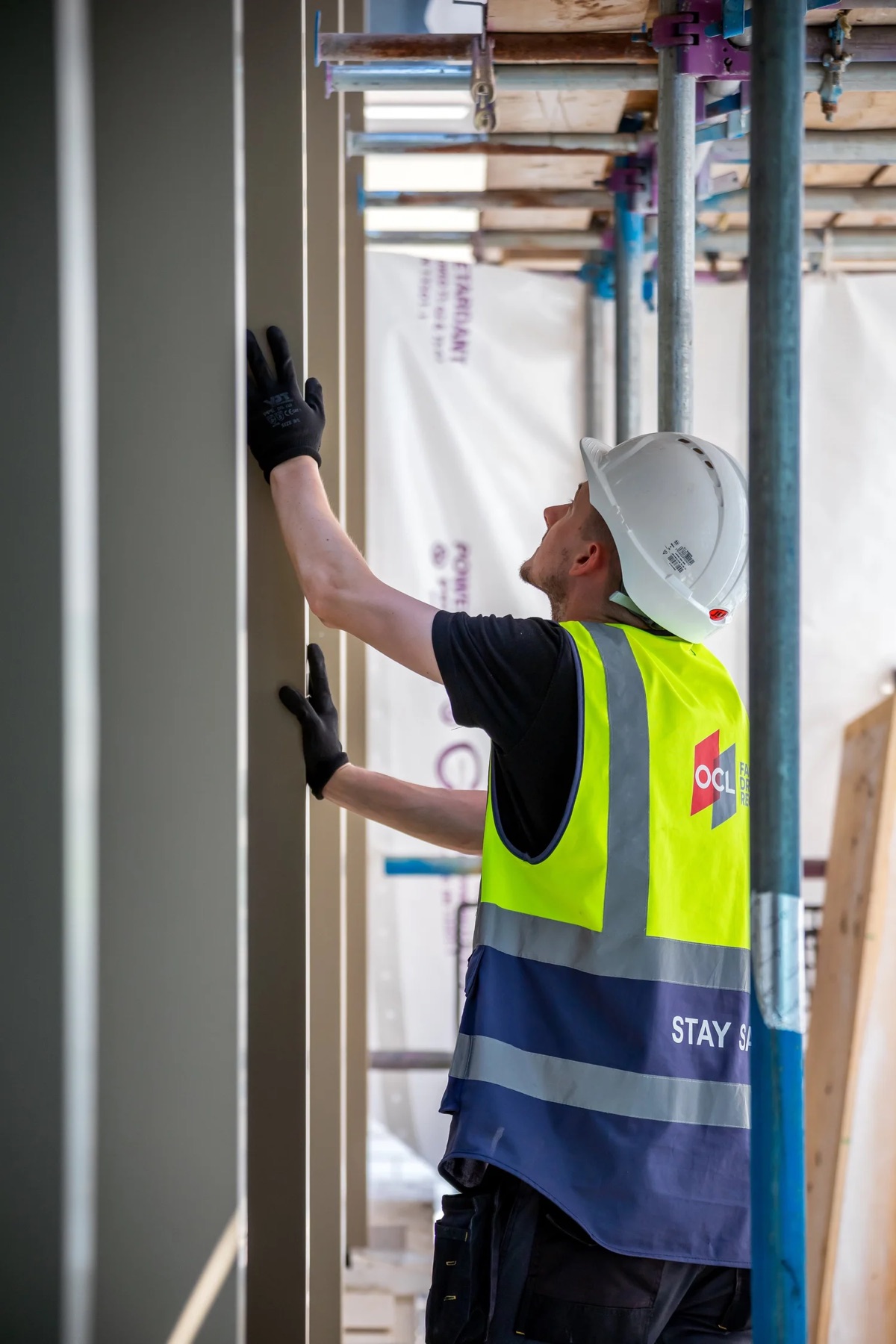
Open the LinkedIn page of almost any construction, engineering or building products firm and you will find the same thing. A steady stream of site photos, the occasional we are hiring post, and a project completion announcement now and then. It feels like doing social media. It builds almost no authority, wins almost no work, and is entirely forgettable.
LinkedIn is the one platform where your buyers, your partners and your future hires all actually are. Used well, it is the cheapest authority-building tool in the built environment. Used as a photo dump, it is wallpaper.
Why the photo dump does not work
A photo of a finished building with a caption saying delighted to complete tells the reader nothing they can use. It is a trophy, not a thought. Nobody learns anything, nobody is moved to reply, and the algorithm, seeing no engagement, shows it to almost no one. You did the work of posting and got the reach of a whisper.
Authority does not come from showing what you built. It comes from showing how you think.
What actually builds authority
Opinions, not announcements
A clear point of view on something in your field, a standard, a common mistake, a change coming, earns attention a project photo never will.
The lesson behind the project
Do not just post the finished job. Post what was hard about it and what you learned. The lesson is the content, the photo is just the illustration.
The people, not just the logo
Posts from real people at your firm outperform posts from the company page every time. Buyers follow people.
Useful, consistently
Teach something small and often. The firm that is quietly useful every week becomes the obvious expert, long before anyone needs to buy.
A month of posts, planned in twenty minutes
The consistency problem is solved with a loose rhythm, not a content calendar the size of a phone book. One post a week, four shapes on rotation.
Week one, the opinion
One thing your sector gets wrong, and what you do instead. Short, direct, signed by a person.
Week two, the lesson
The last project's hardest moment and how it was solved. The site photo finally earns its place, as the illustration.
Week three, the useful bit
A small how-to your clients would genuinely keep: how to brief a fit-out, what a good handover pack contains.
Week four, the people
The apprentice who qualified, the ten-year anniversary, the team on the roof at sunrise. Human beats corporate every time.
Every one of those posts is drawn from work you already did that month. Nothing is invented, nothing needs a brainstorm. The raw material walks past you on site every day; the habit is just writing it down.
What to do when nothing seems to land
Most people abandon LinkedIn in the third month, when the posts are going out and the reactions are in single figures. It is worth knowing that this is normal in this sector, and that engagement is a poor measure of whether it is working.
Count the right audience, not the whole one
Twenty reactions from strangers are worth less than three from a main contractor, a consultant and a client. Look at who engaged before deciding a post failed.
Watch the profile visits
People in this sector read and do not react. A post that produces no likes and a spike in profile views has done exactly what it was meant to do.
Expect the delay
The enquiry that comes from LinkedIn usually arrives months later and opens by saying somebody has been following your posts. It will never be attributable to a single one of them.
Post anyway
Consistency beats brilliance here. A firm posting steadily for a year is visible in a way a firm posting brilliantly for six weeks never becomes.
The other thing worth checking is who is doing the posting. Content from a named person in the business reliably outperforms the same content from a company page, because people follow people. If the company page is the only thing posting, that alone can explain a flat year.
None of this makes LinkedIn a lead generation channel in the way paid search is. It makes you familiar, and familiarity is what gets a call returned when the project finally starts.
The habit that pays off
This is not about going viral or posting every day. It is about turning up consistently with something worth reading: a view, a lesson, a useful thought, from real people who clearly know the sector. Do that for a year and you are no longer another logo posting site photos. You are the firm that always seems to know what it is talking about, which is exactly the firm buyers remember when a project comes up.
The site photos can stay. They are just the wallpaper. The authority comes from the thinking you put around them, and almost none of your competitors are bothering to do it.
Set the bar somewhere you can actually clear. One post a week, from a named person, about something that genuinely happened at work. Do that for a year and you become the firm people in your sector feel they already know, which is a position no advertising budget buys anything like as cheaply.