

Marketing agency for residential developers
Sell the development, not just the units. Marketing that makes buyers and investors want in.
A residential scheme is sold twice. First to the lenders, agents and investors who get it built, then to the buyers who make it a home. Both audiences meet your development online long before they visit a marketing suite, and both decide fast. Cornerstone builds the digital presence that sells a scheme from first render to final plot.
What makes the timing so unforgiving is that the marketing has to work at its hardest when there is least to show. Reservations taken early are the ones that de-risk the scheme and satisfy the funder, and they are asked for at exactly the point when the only things in existence are a rendering, a hoarding and a promise. Everything published in that period is doing the work the building itself will do later.
The developer's marketing challenge
Off-plan selling is an exercise in confidence. Until the show home opens, your marketing is the product. A dated development microsite, a couple of CGIs and a PDF brochure will not carry a premium price point, and every month a scheme sells slowly is a month of finance costs eating the margin.
There is a second cost to starting late that rarely gets counted. A scheme website published a year out has a year to accumulate search authority, coverage and links, and can own the search for its own name and street by the time the suite opens. One published three months out has three months, which is not enough to rank for anything, so the launch is carried entirely by paid advertising at the precise moment the budget is under most pressure.
How we help residential developers
Development websites that sell
Fast, search-visible scheme sites with plots, availability and the story of the place, built to capture and nurture buyer interest.
From CGI to completion
Photography and film that document the scheme as it rises, replacing renders with reality the moment it exists.
Virtual tours of show homes
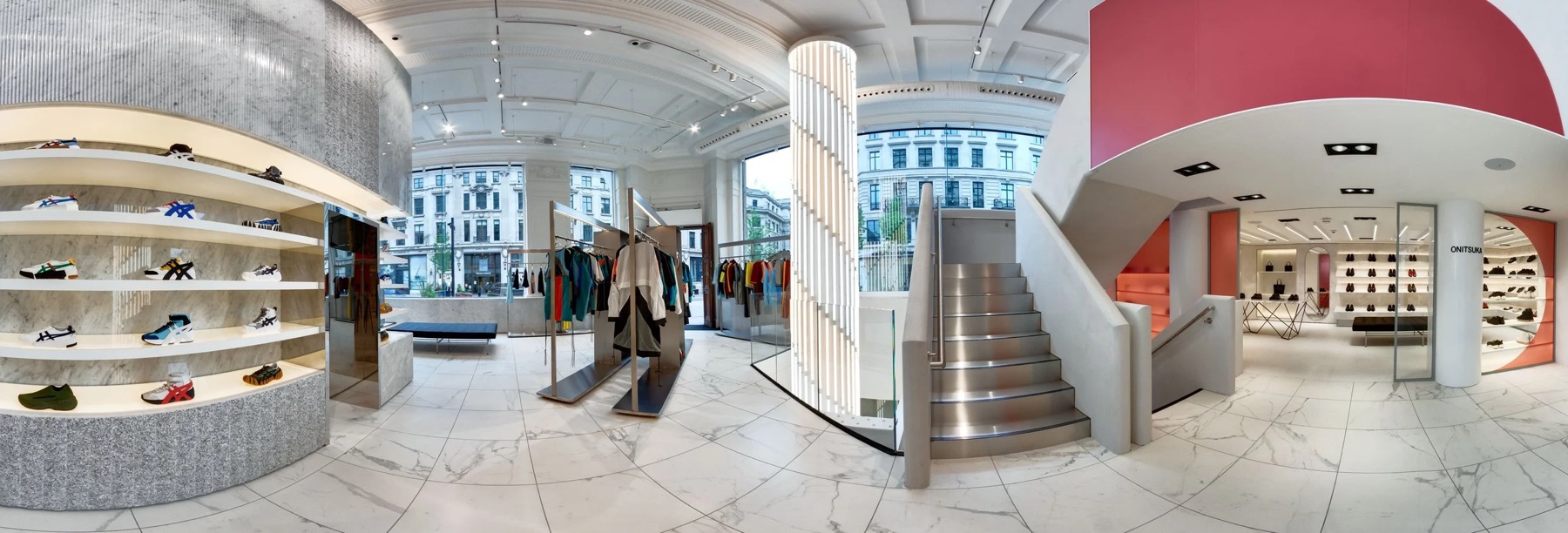
360 tours that let buyers walk the show home from anywhere, and keep selling after the suite closes.
Buyer campaigns
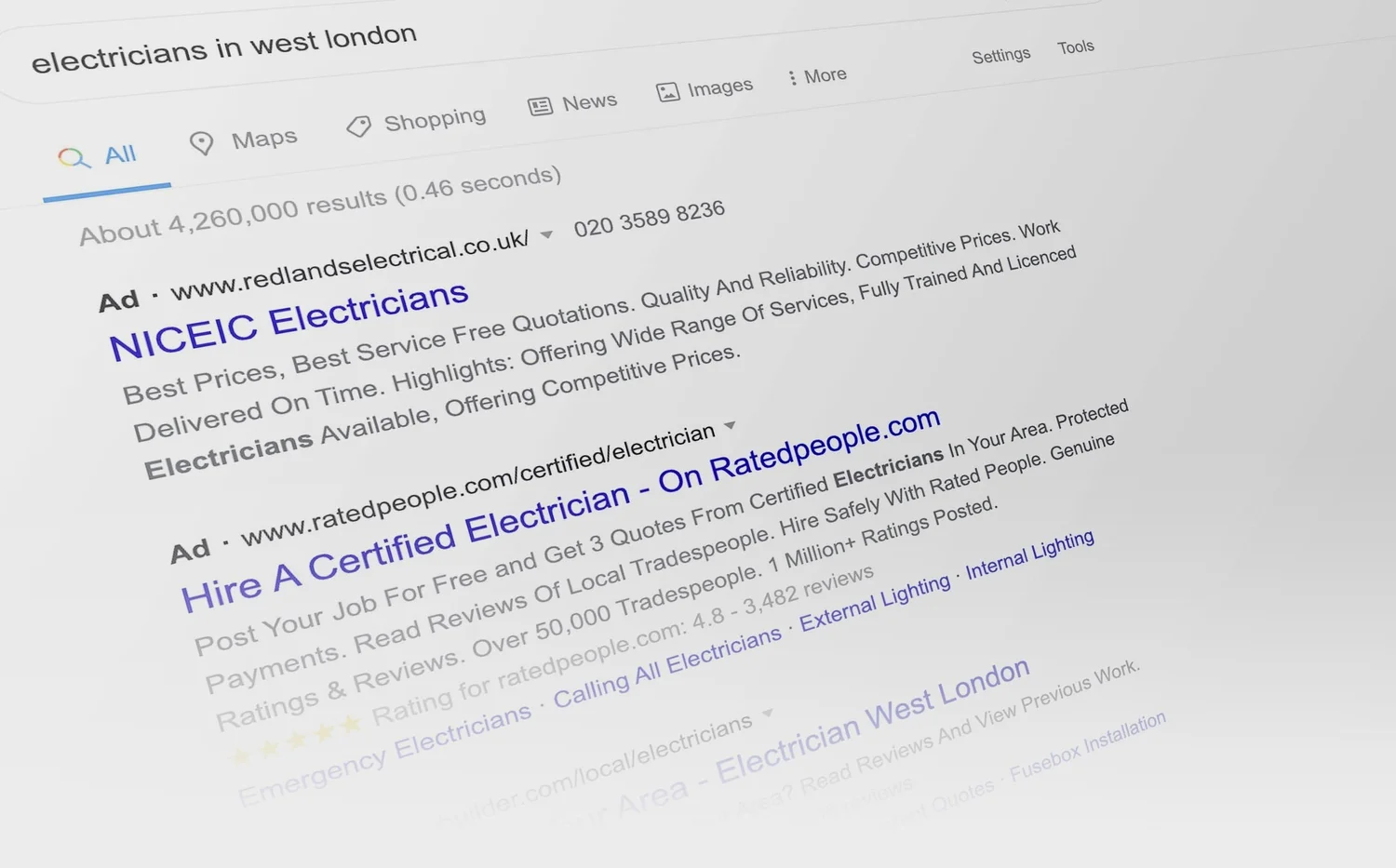
Google Ads and paid social campaigns tuned to the postcodes, price points and life moments your buyers actually search from.
The specification, published in full
Heating, glazing, acoustic performance, EPC, service charge estimate and tenure. Serious buyers look for exactly this and almost never find it, and its absence is read as something being hidden.
A track record buyers can check
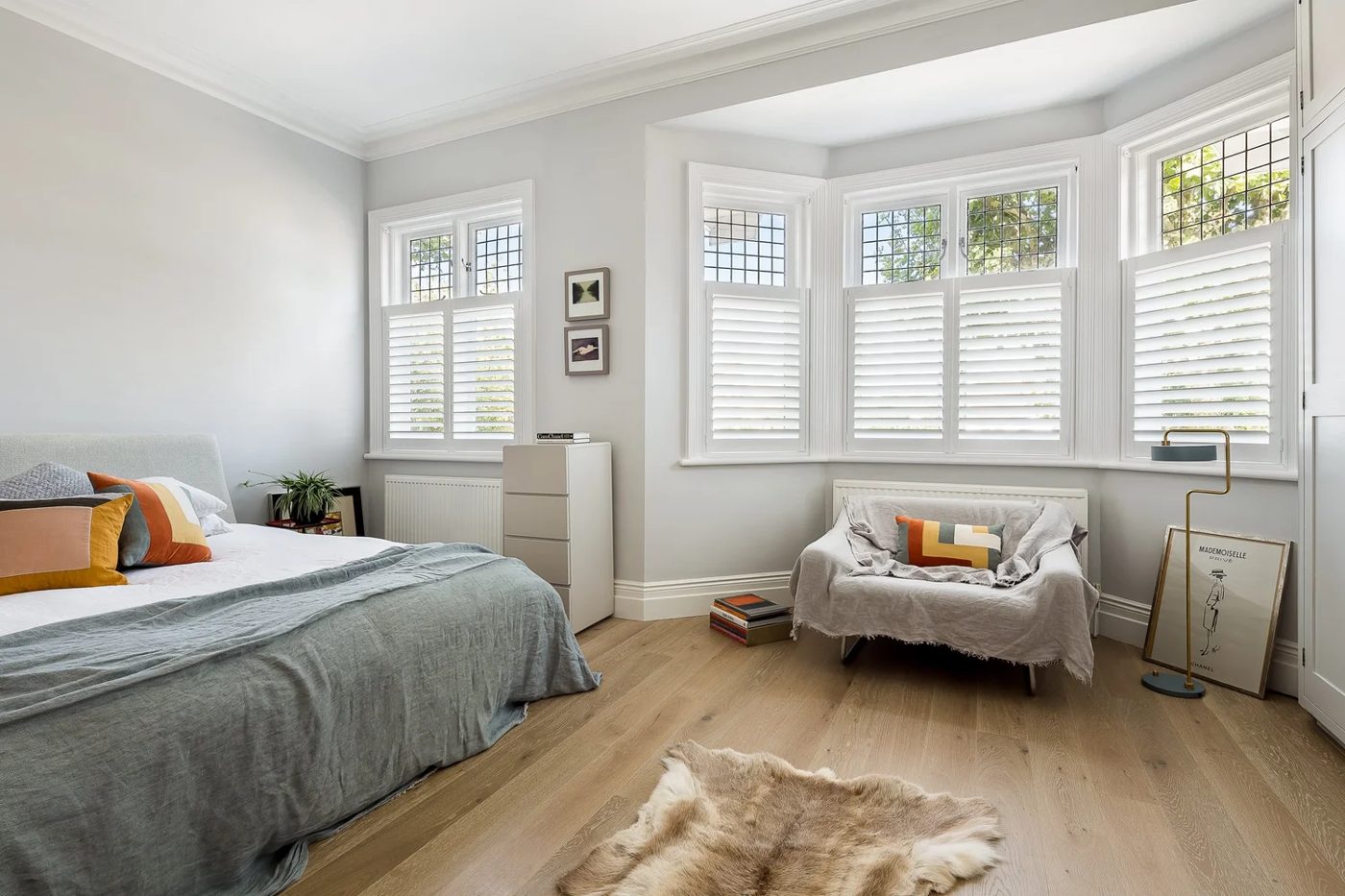
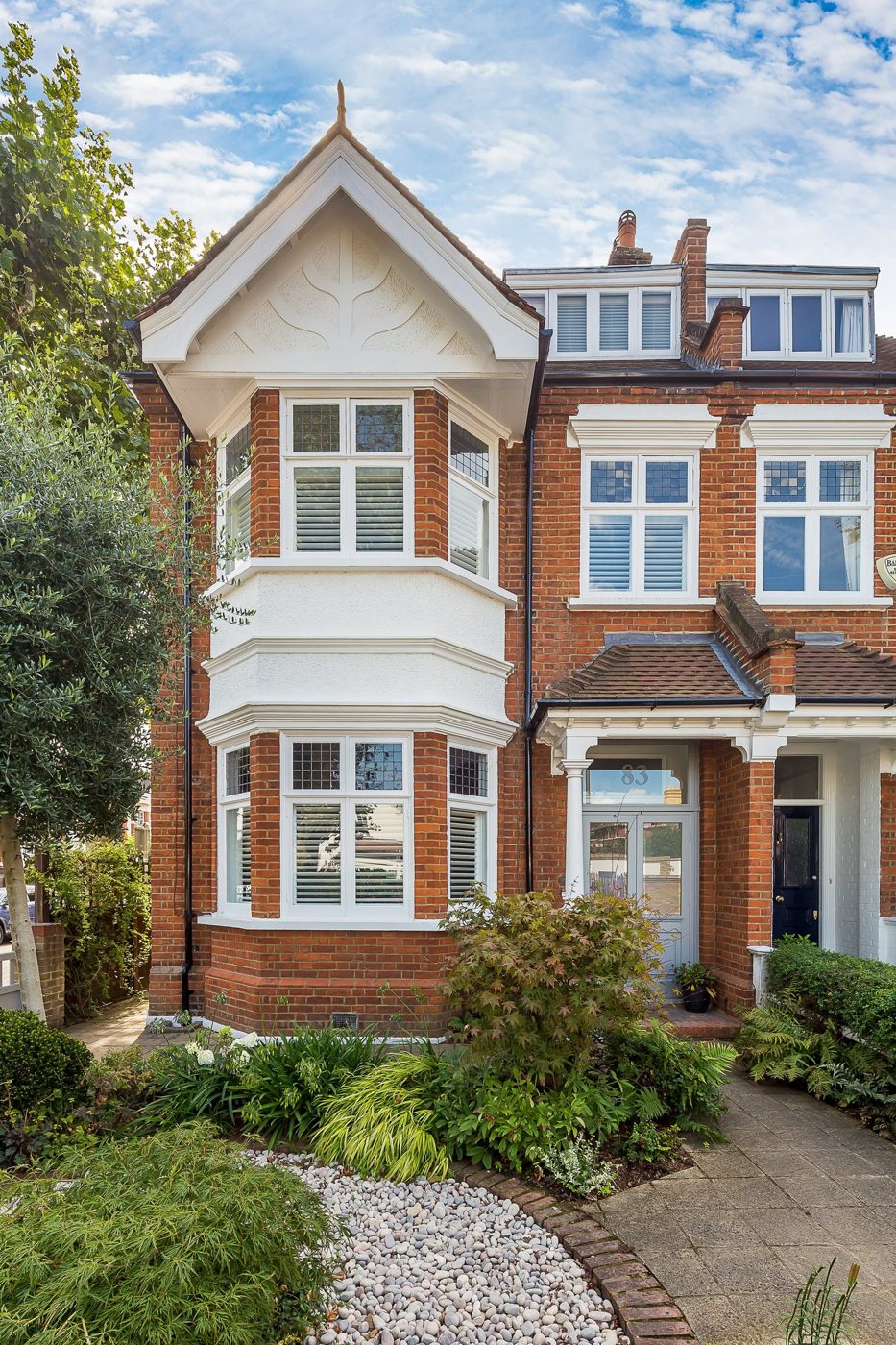
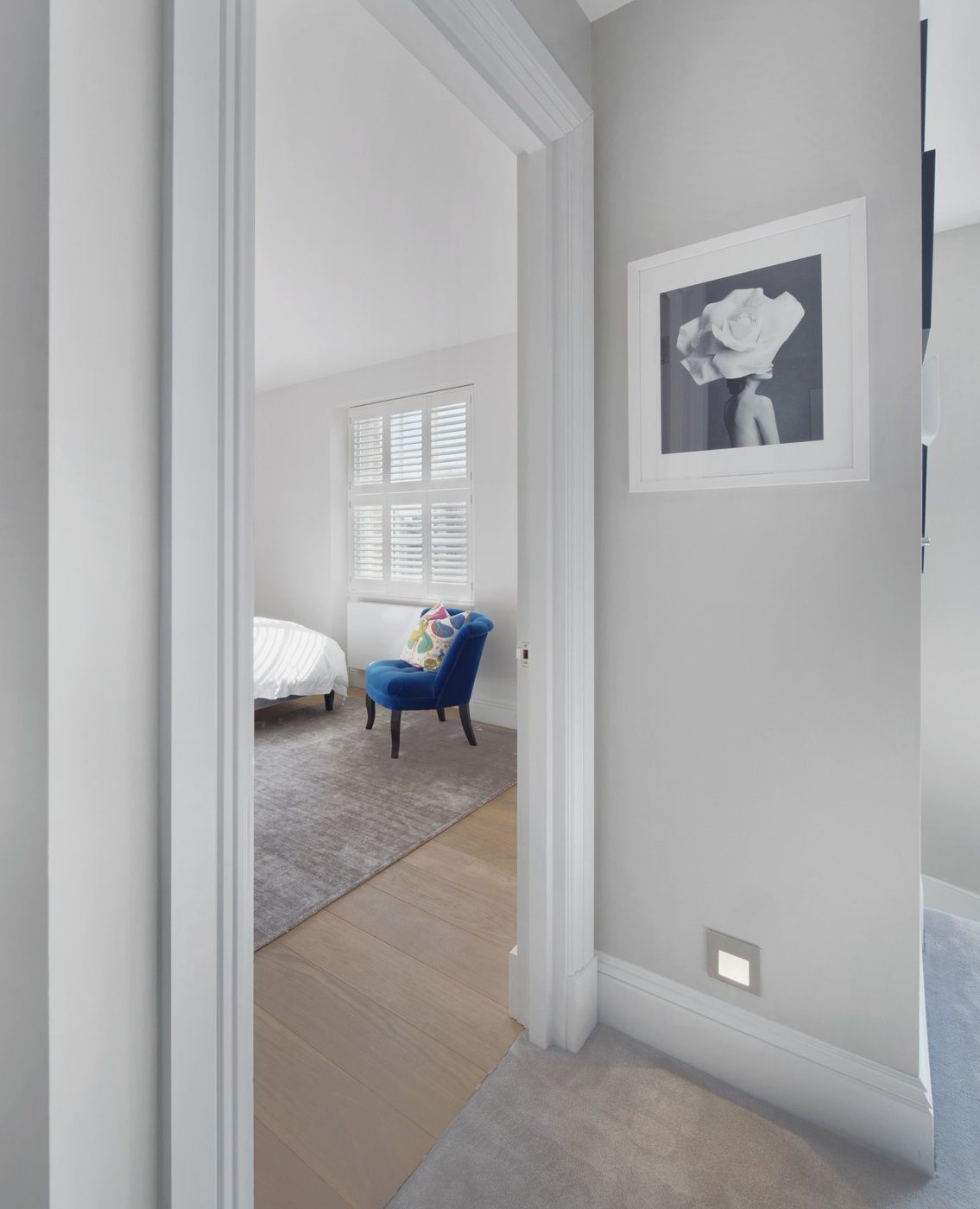
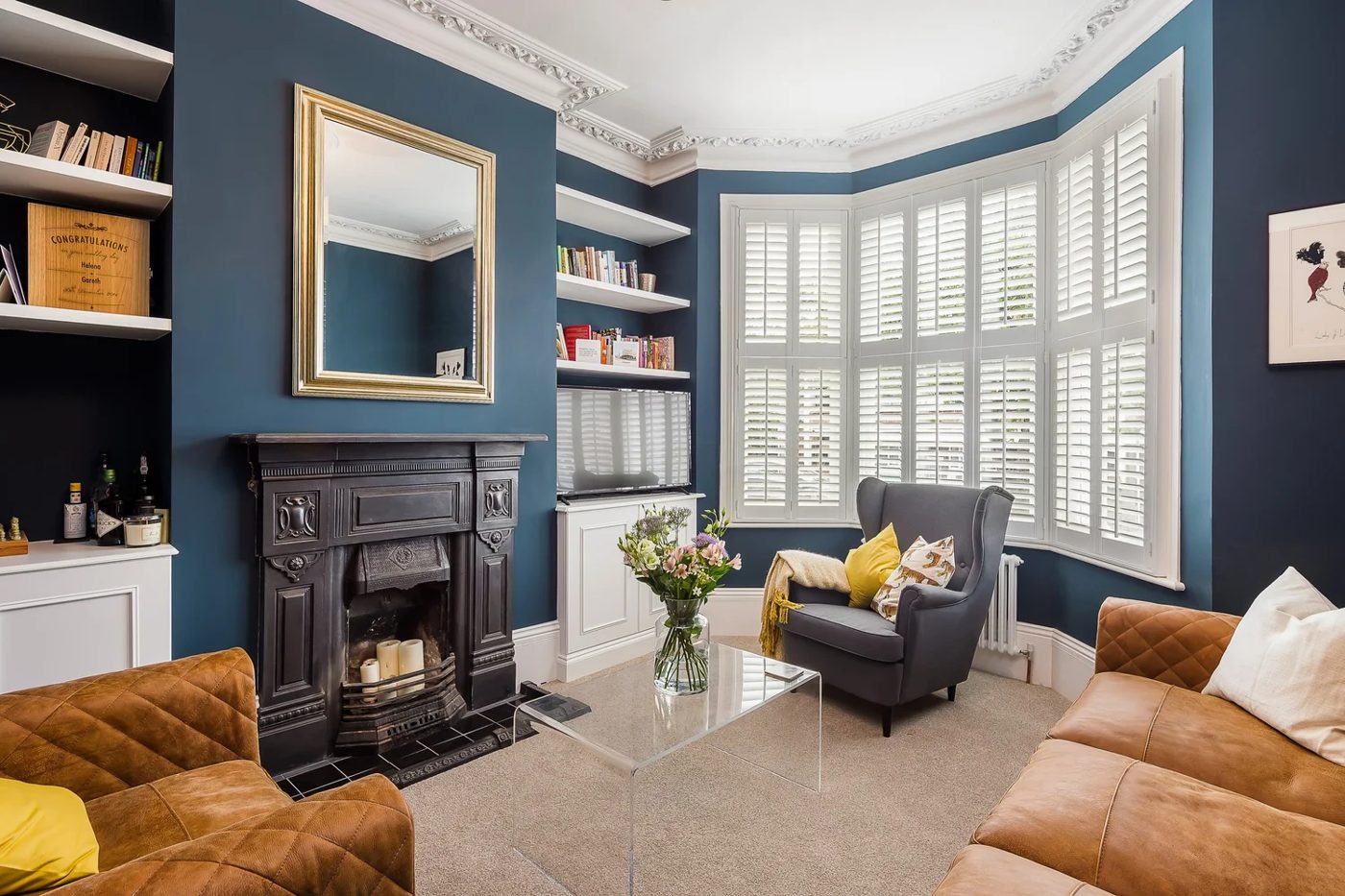
Previous schemes photographed at completion, next to the renderings that preceded them. It is the most direct answer available to the question every off-plan buyer is silently asking.
What this looks like in practice
Publish something on the day the hoarding goes up rather than waiting for a launch date. The scheme page carries the area written honestly, the specification in full, the team behind it and monthly progress photography from site. None of that requires the building to exist, and all of it answers a question a buyer would otherwise take elsewhere.
Then keep the page after handover. Replace the renderings with photographs of the finished building and write up what the scheme actually became. Developers who do this build a public, verifiable record of delivery, which is what makes the next scheme easier to sell, the next application easier to argue and the next funding conversation considerably shorter.
We work across the built environment, so we speak developer: phasing, sales rates, section agreements and the difference between marketing a scheme and flogging units. That fluency shows up in the work.
What we bring to the table


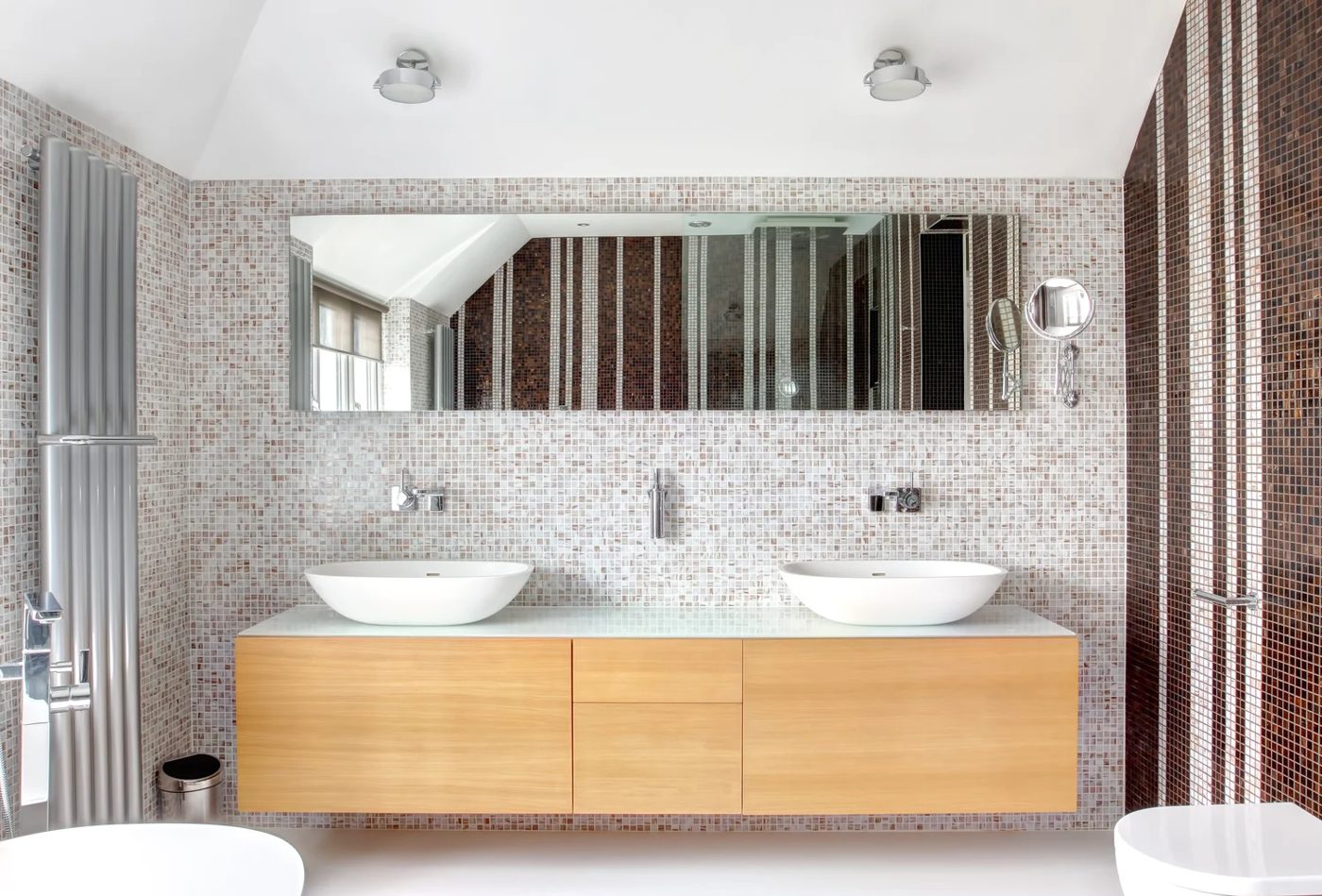
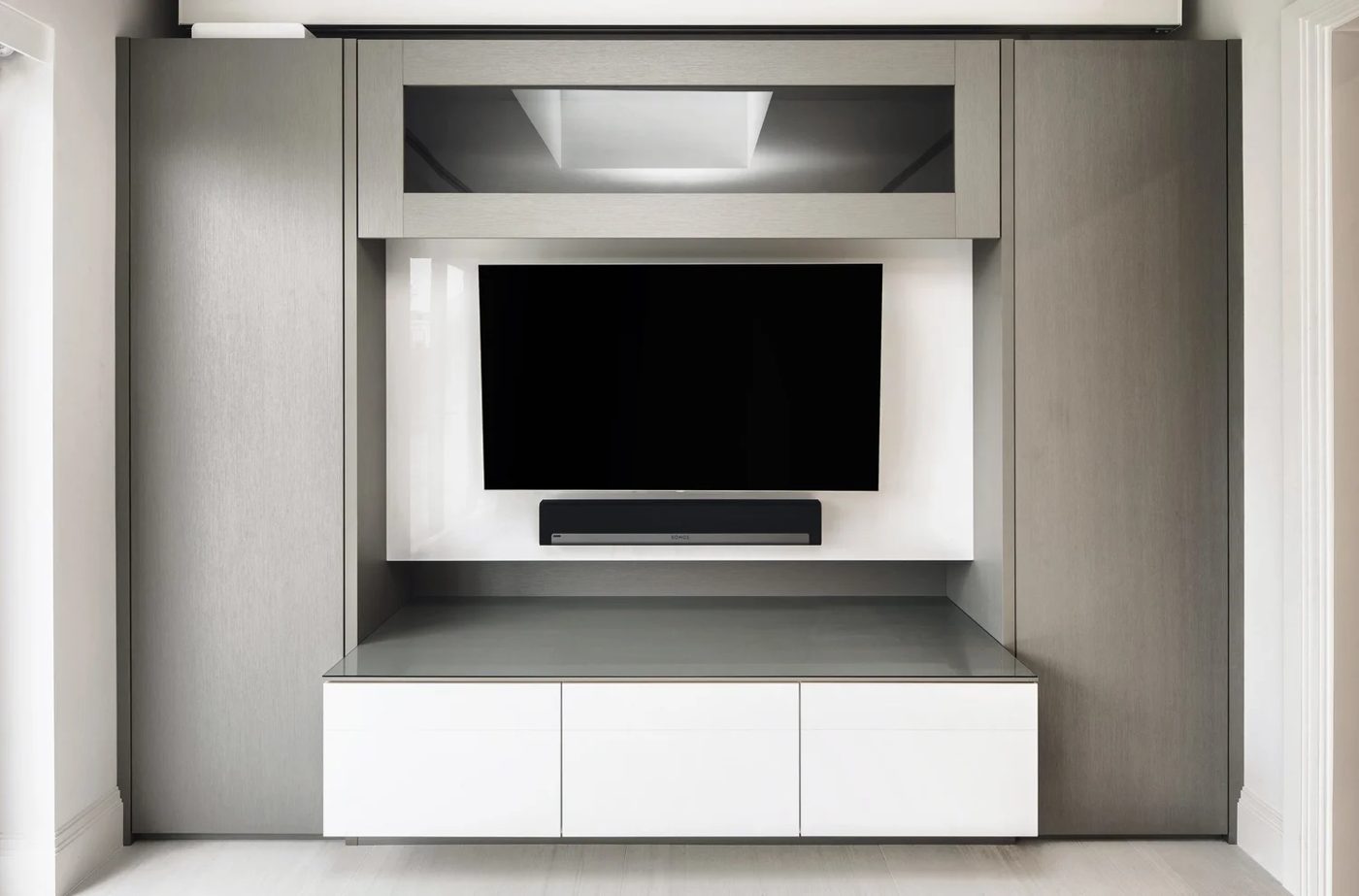
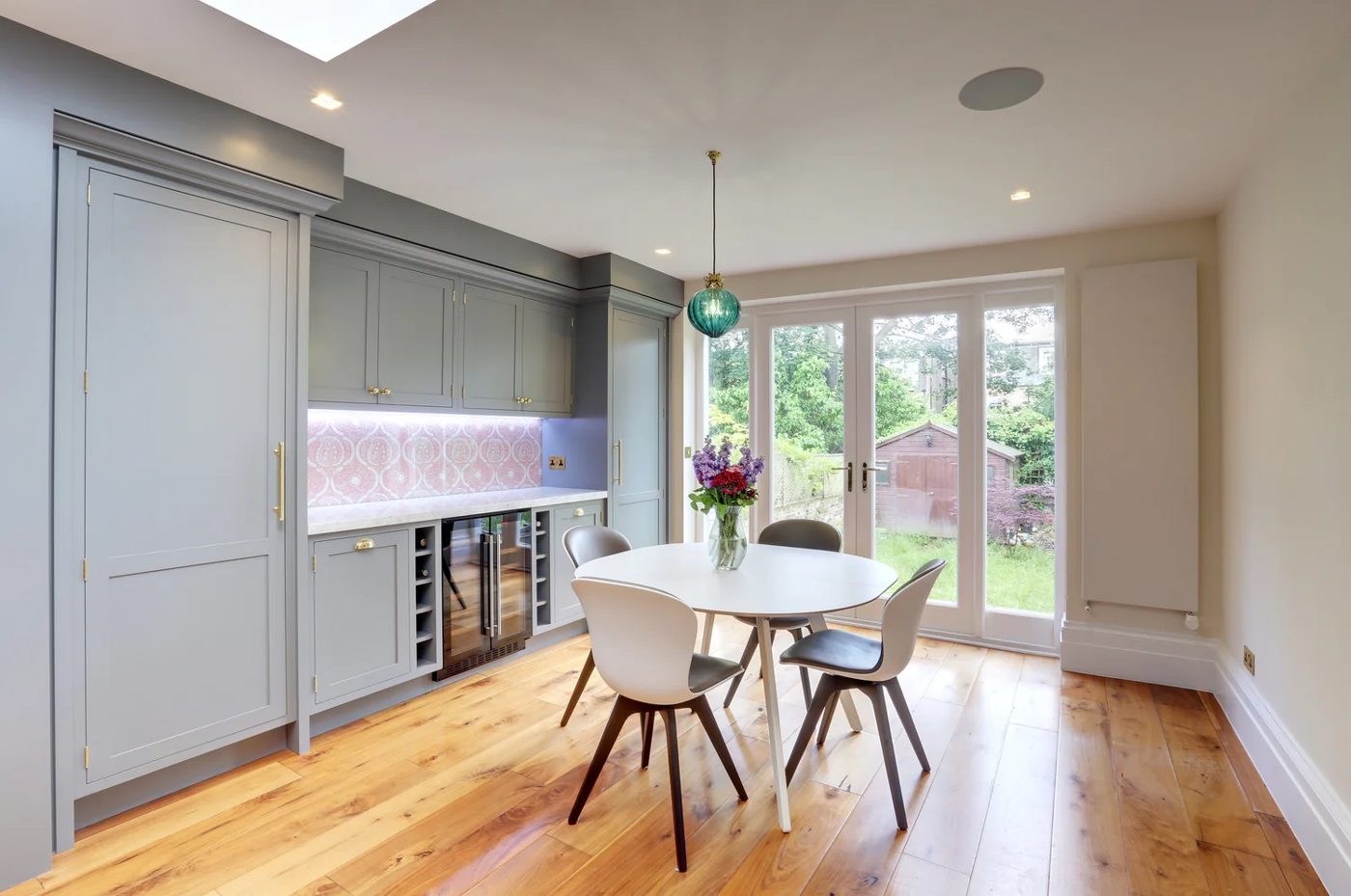
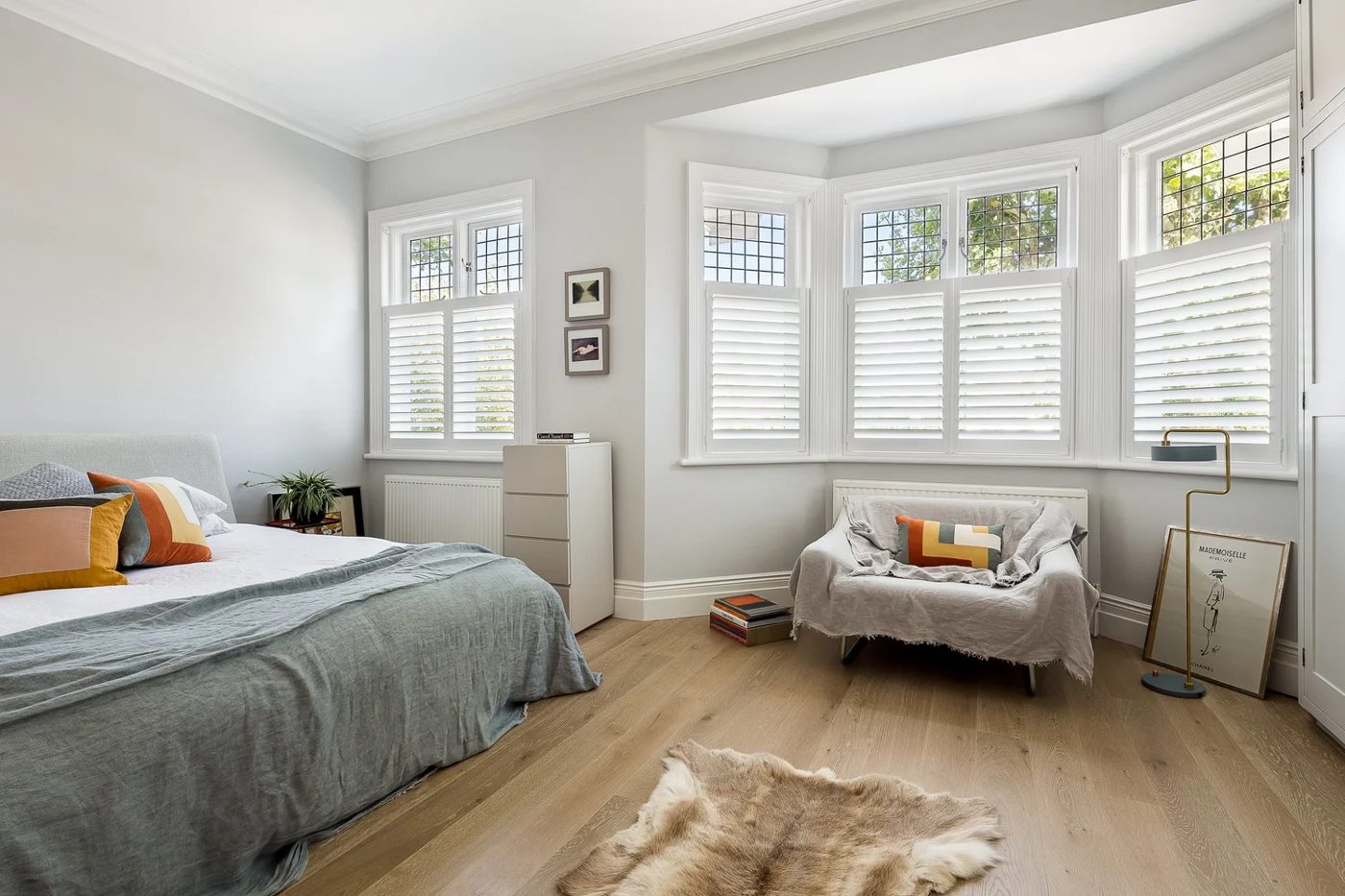
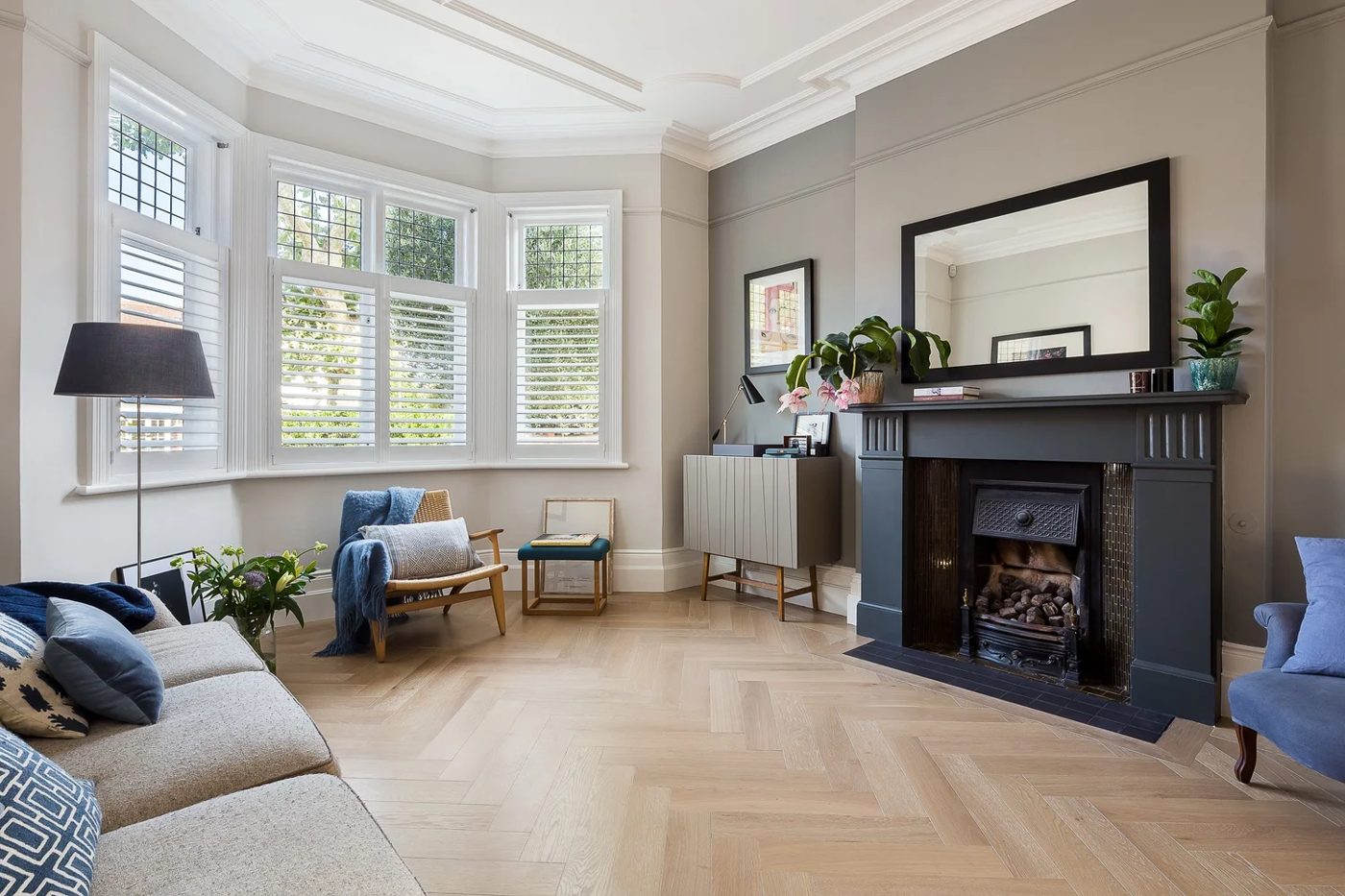
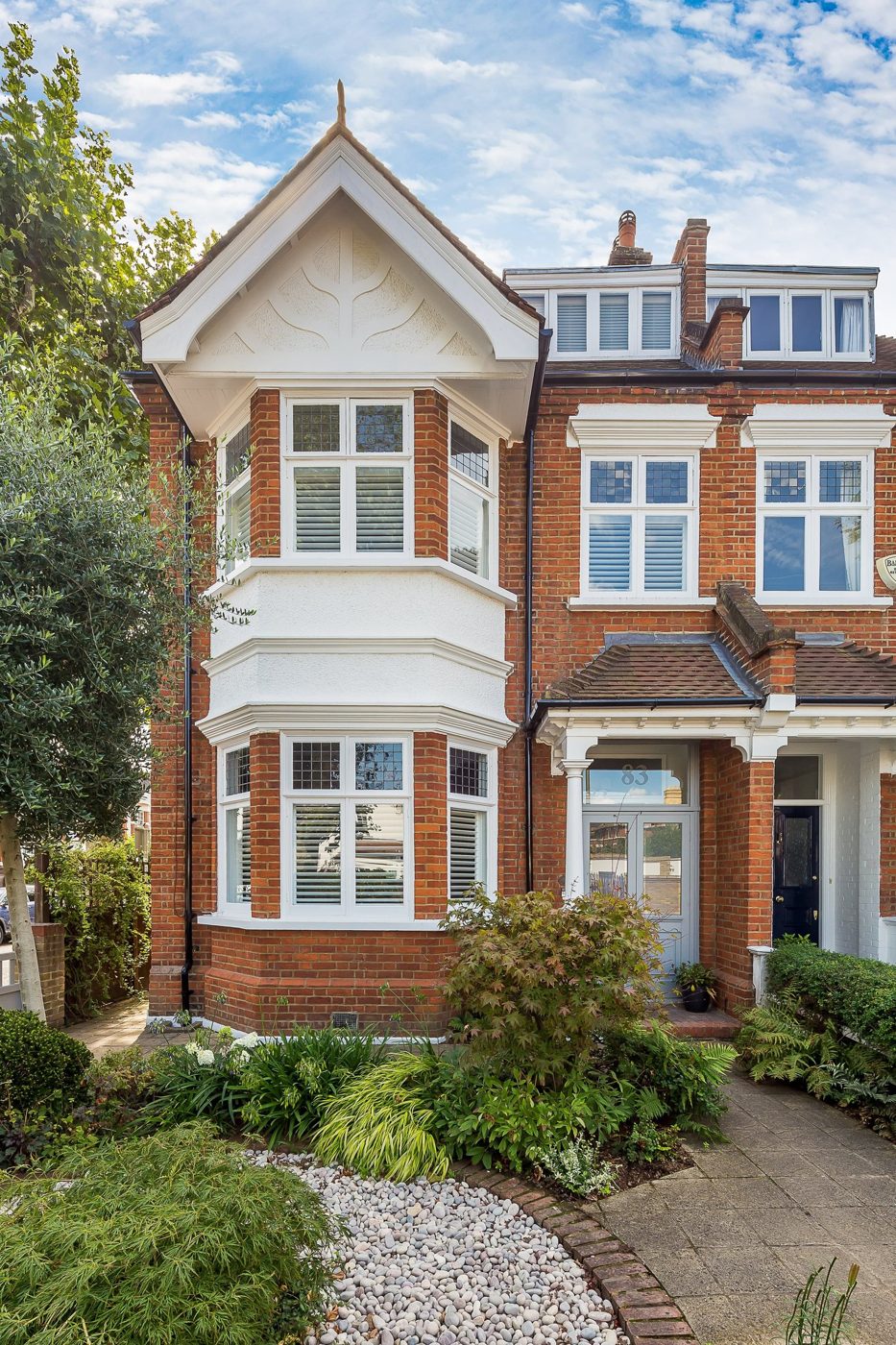
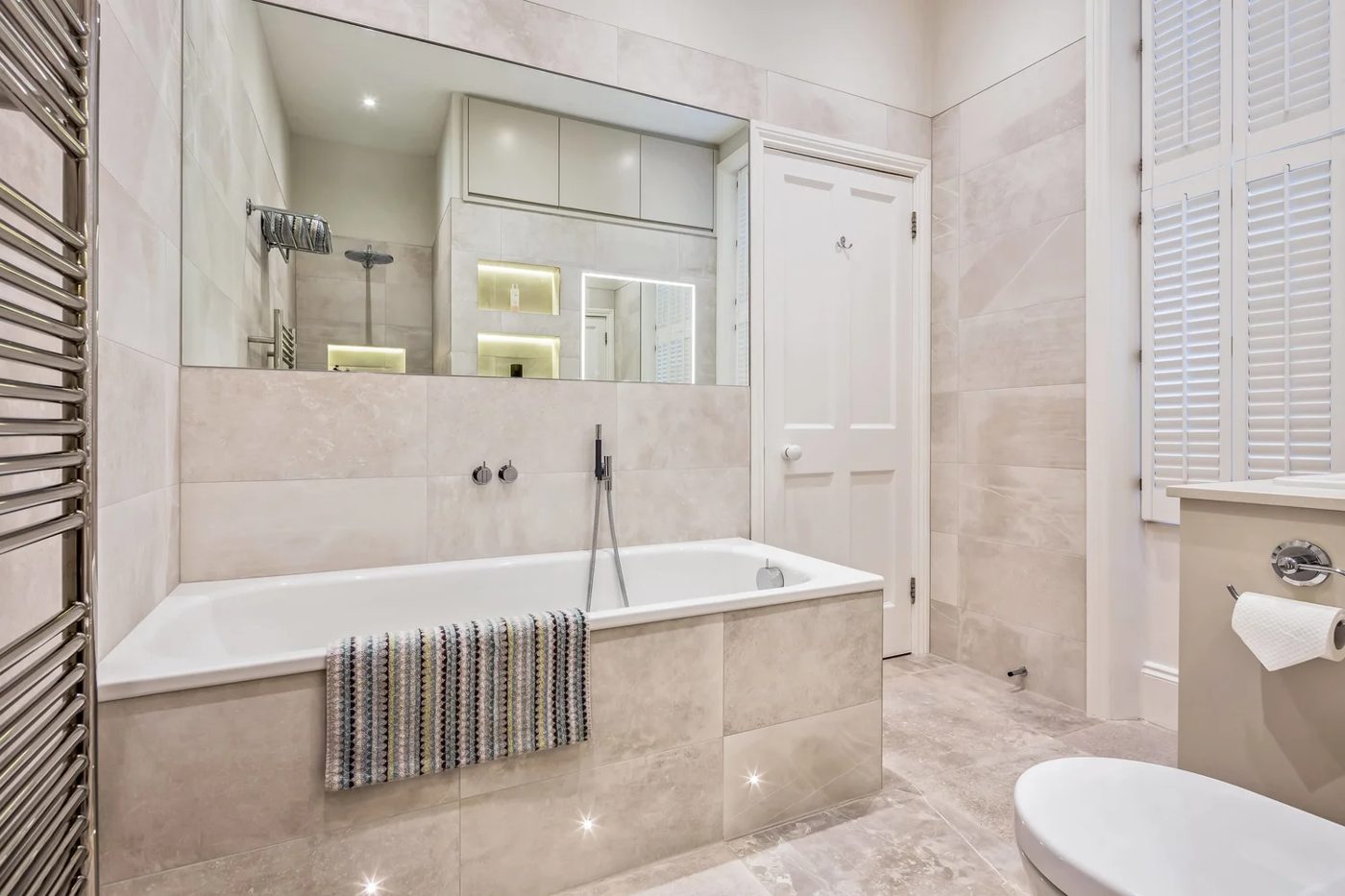
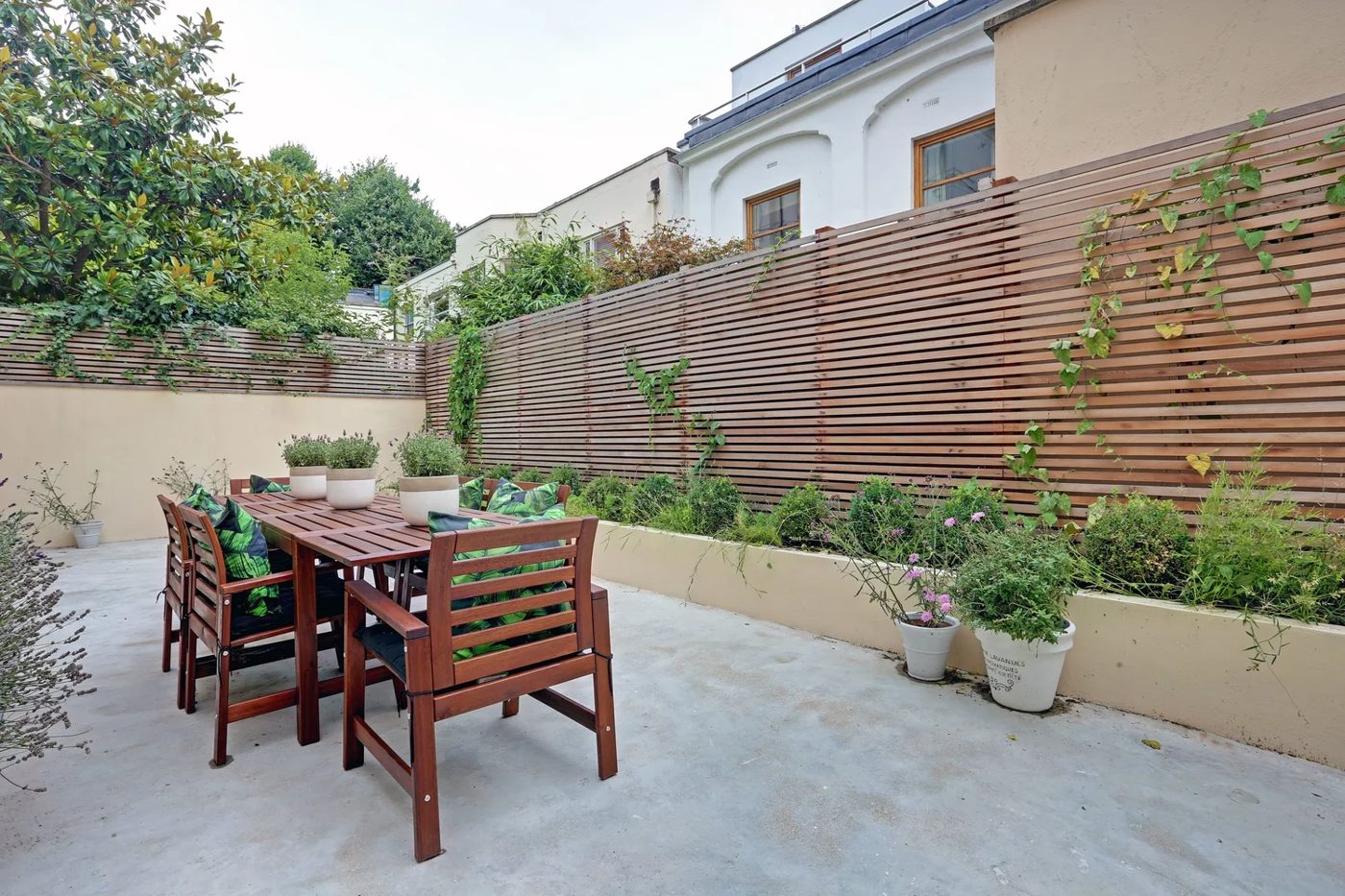
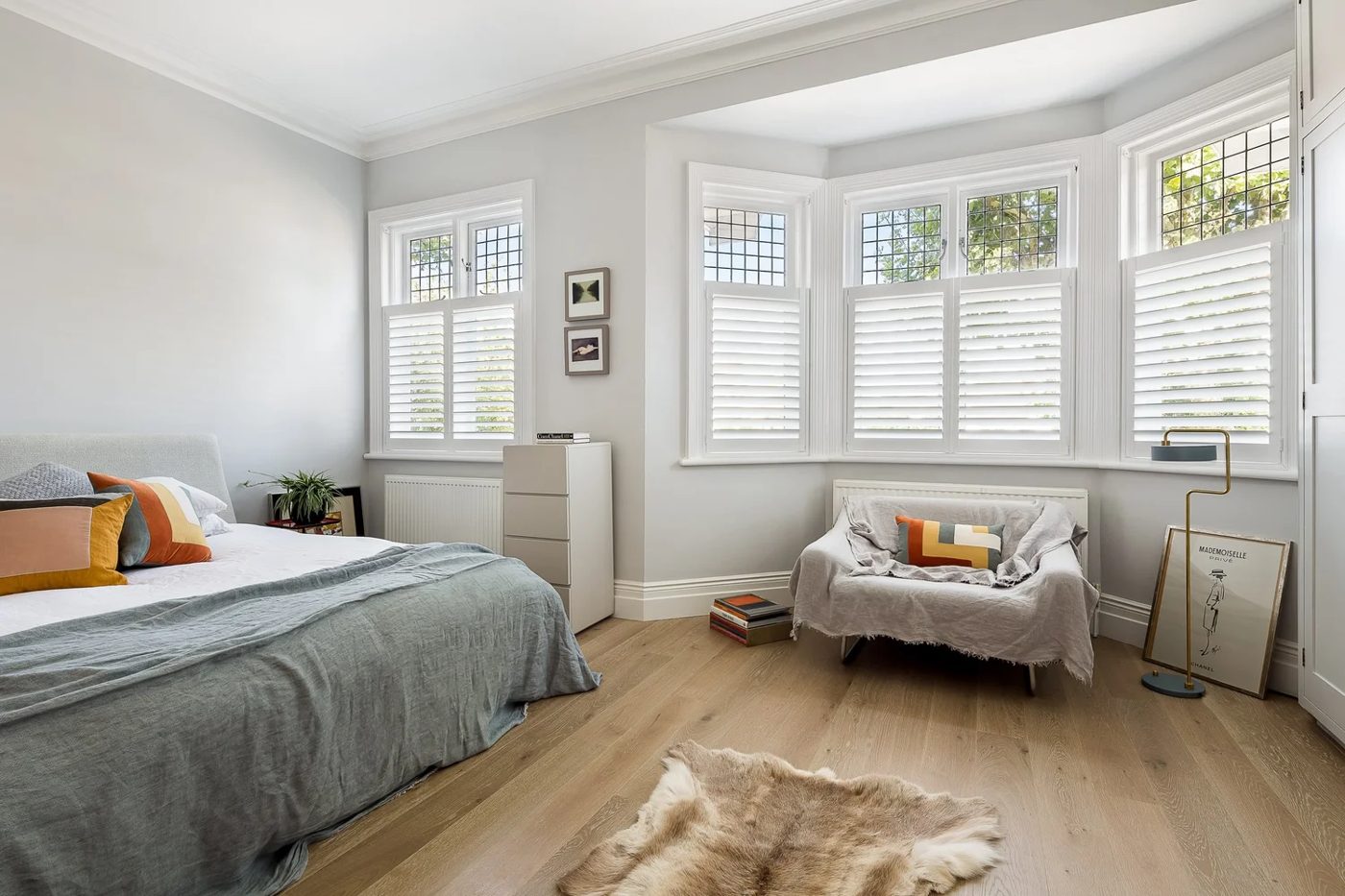
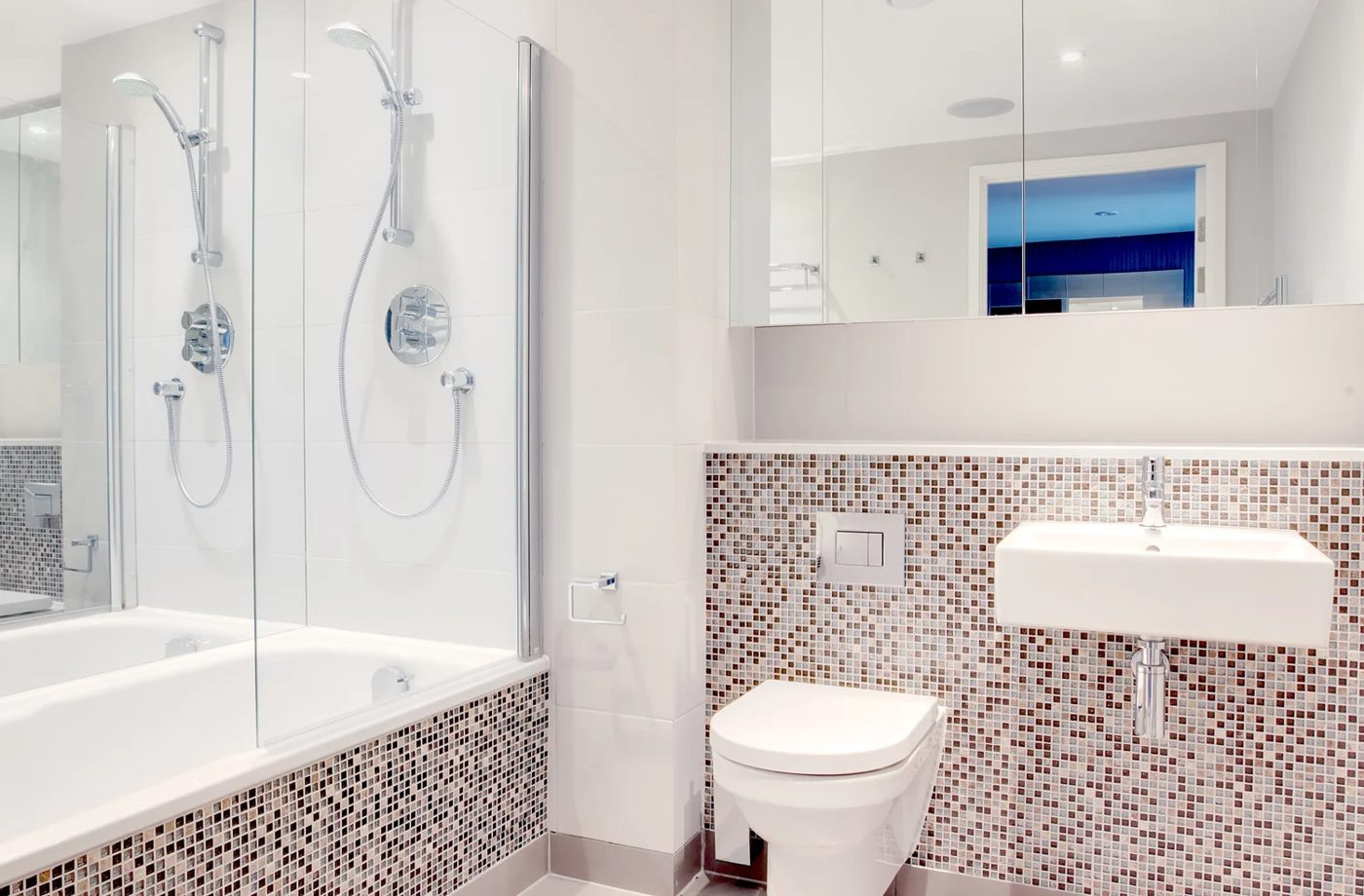
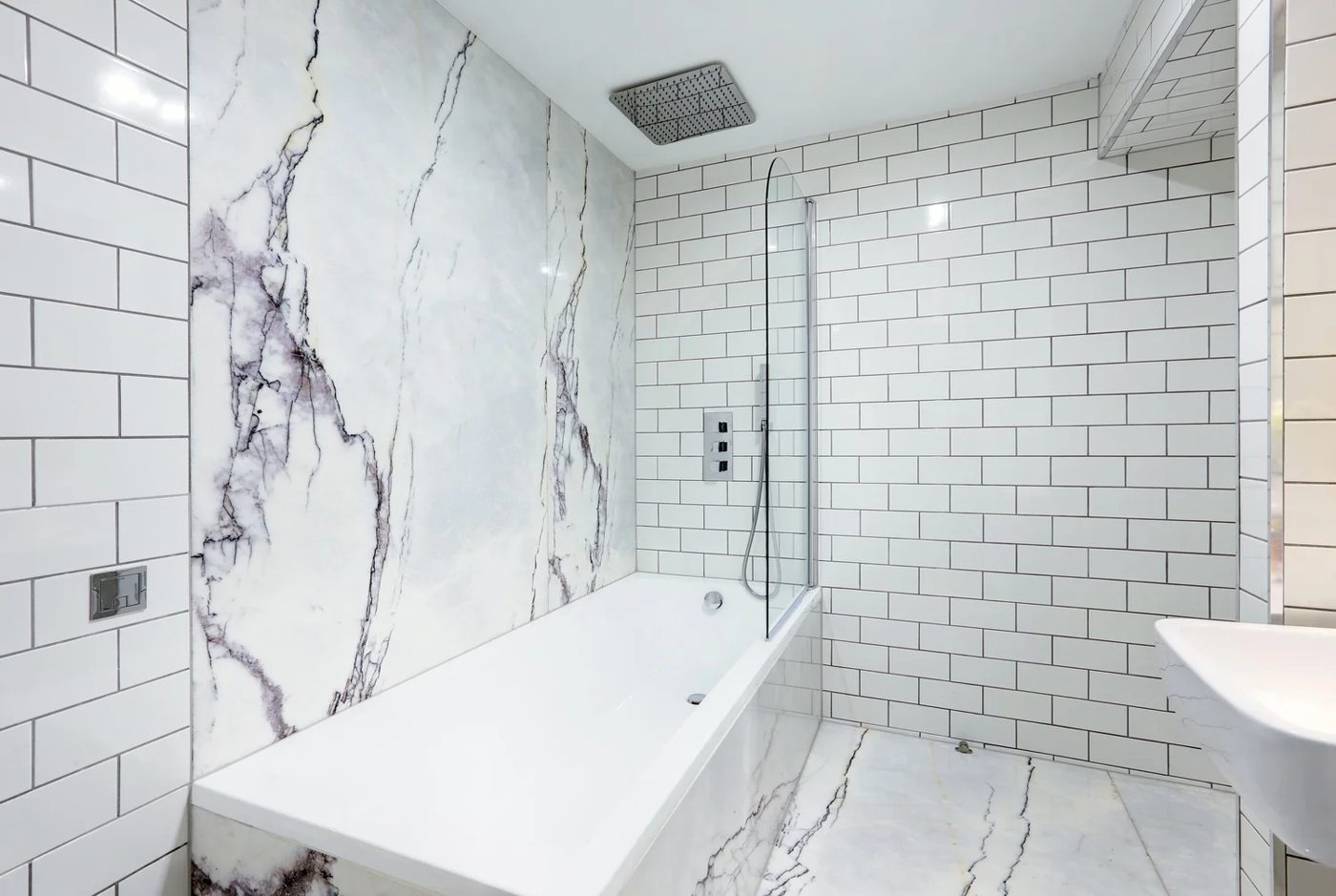
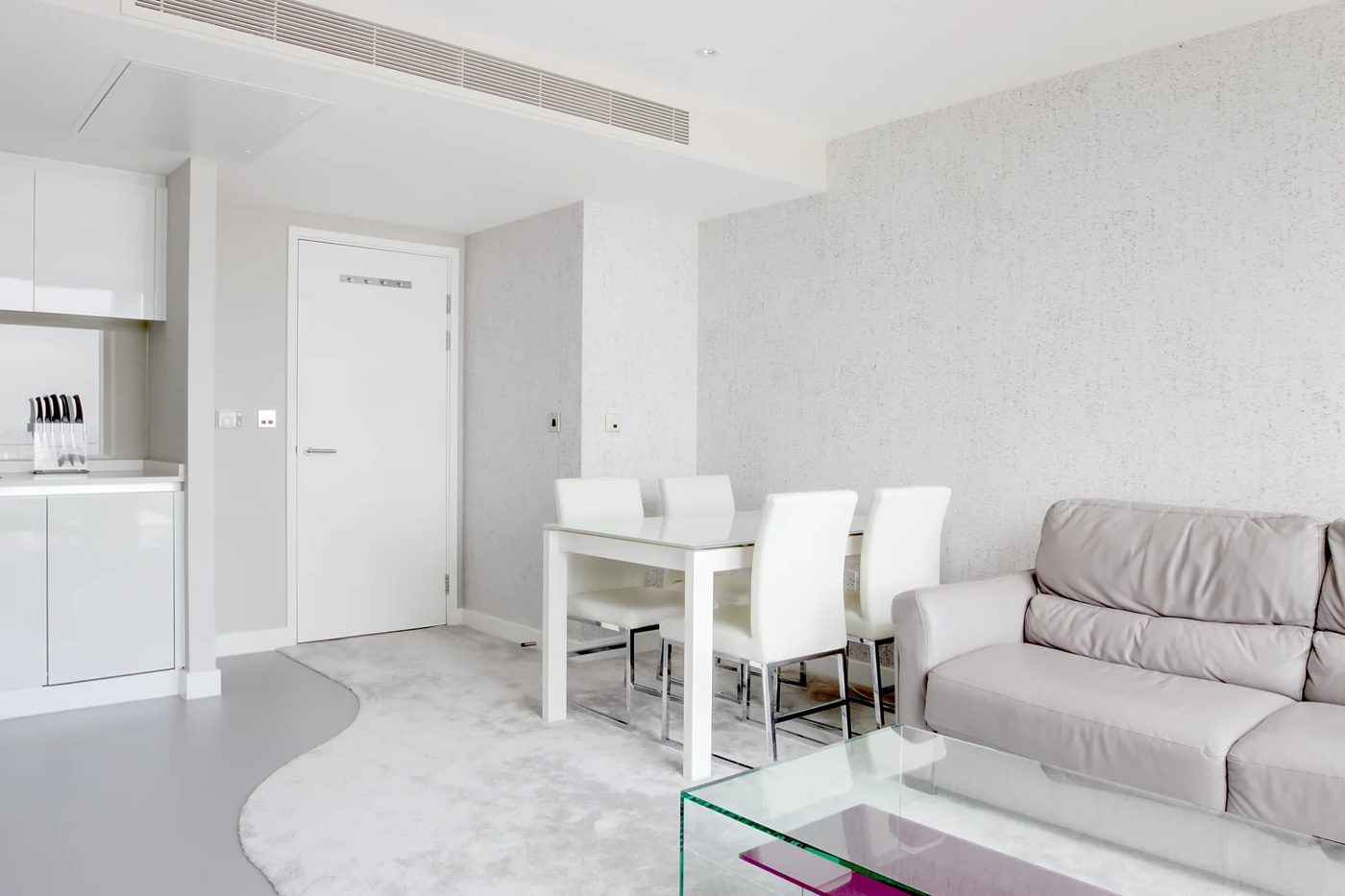
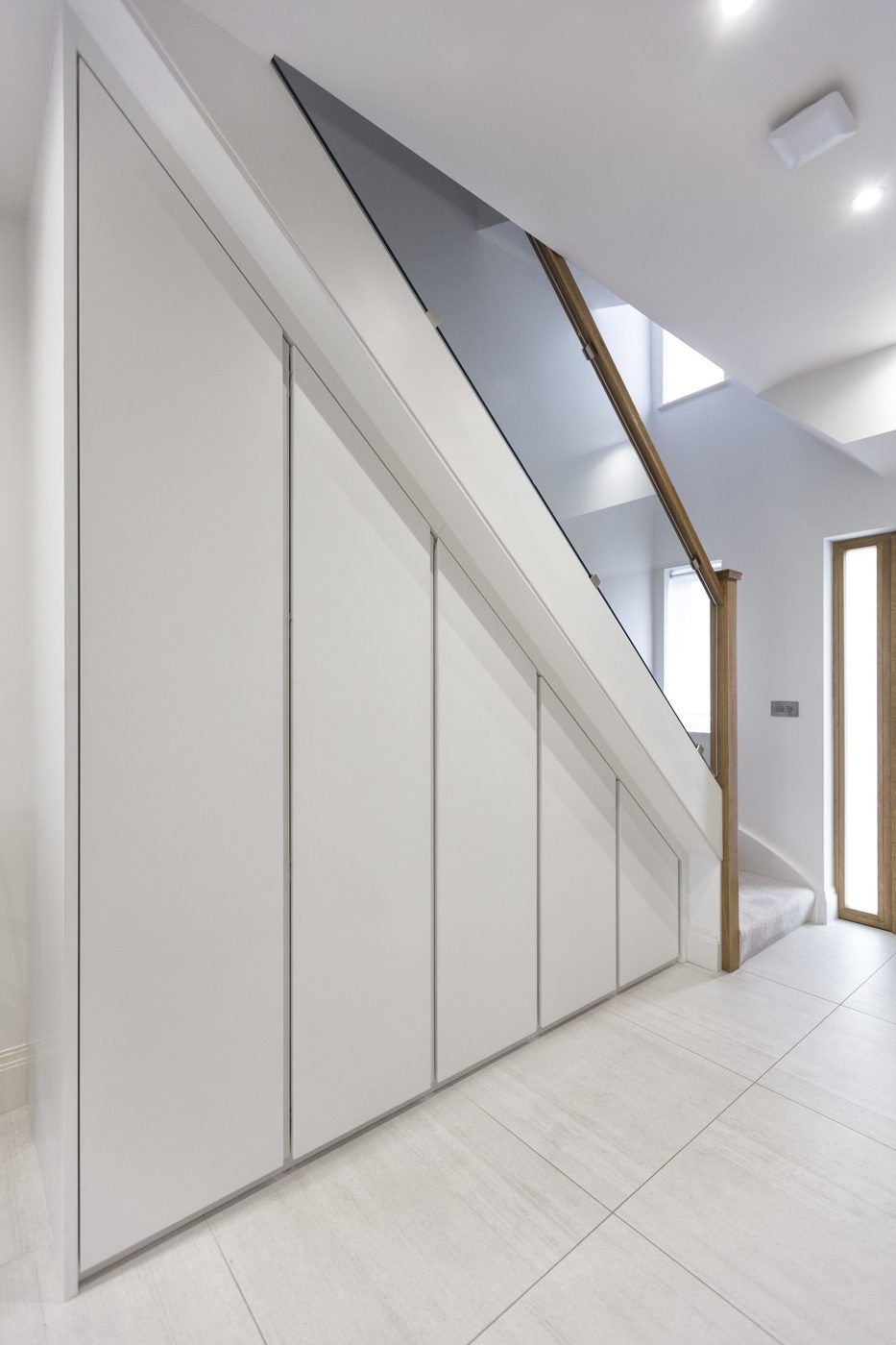
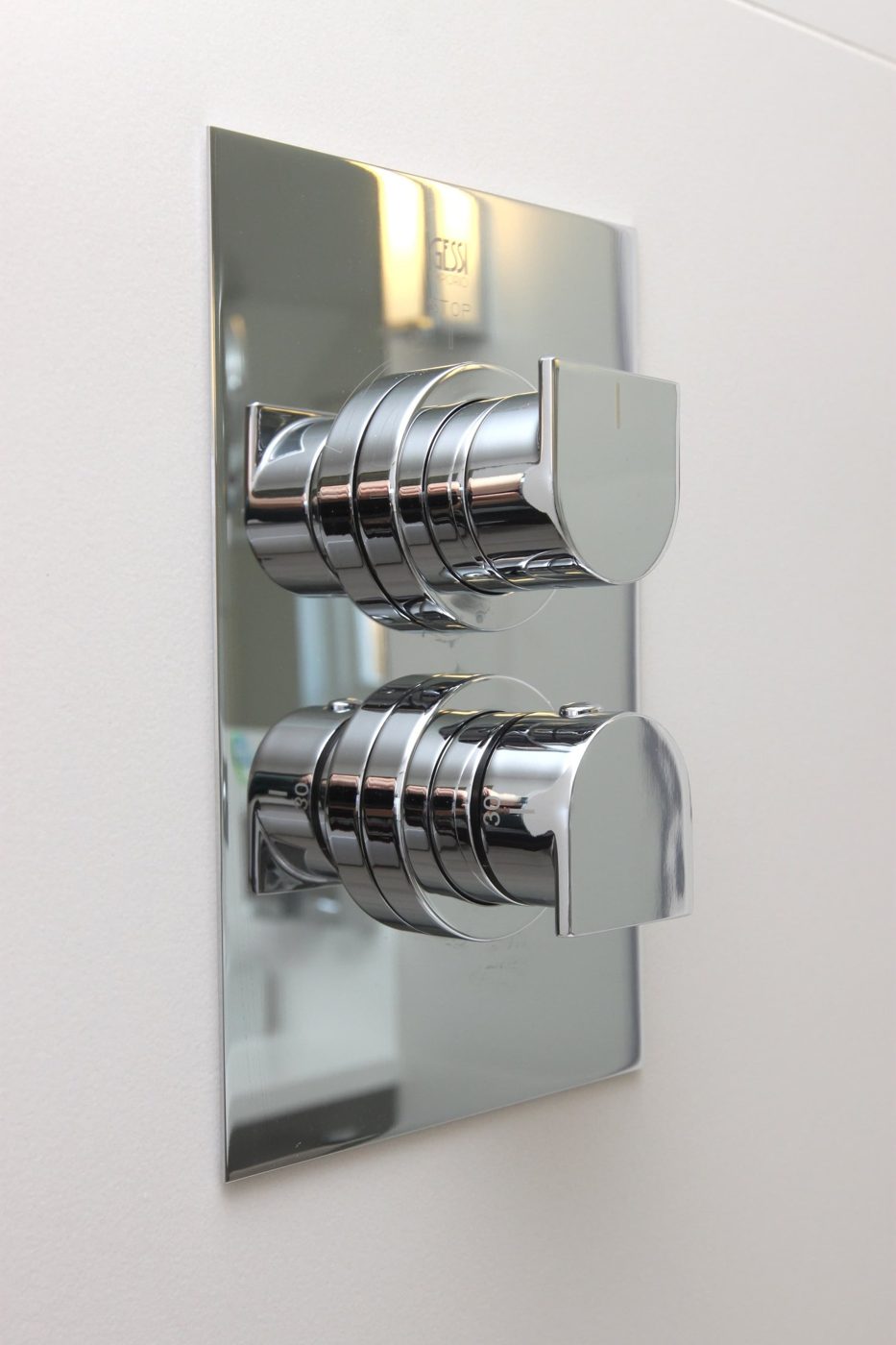
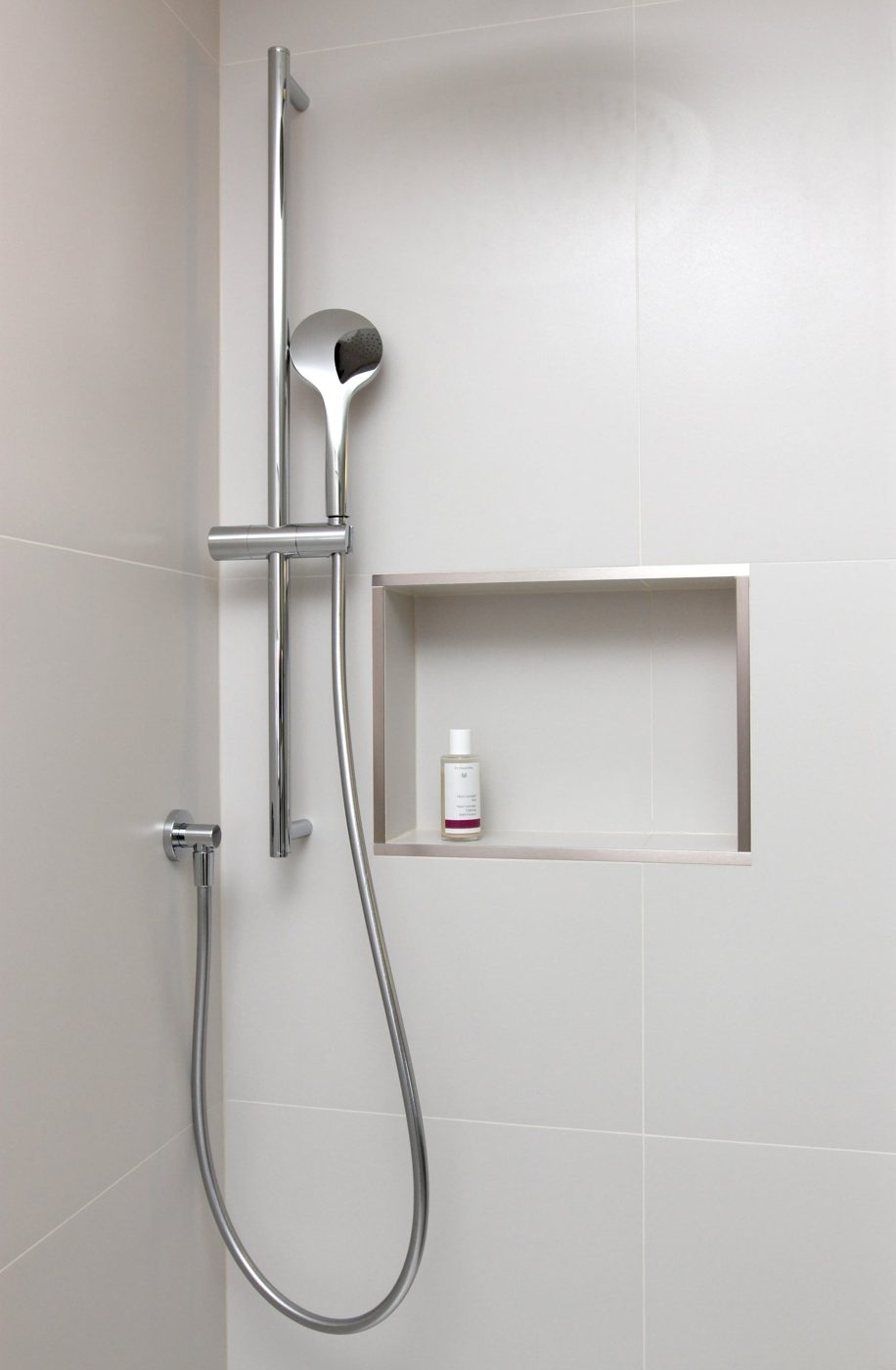
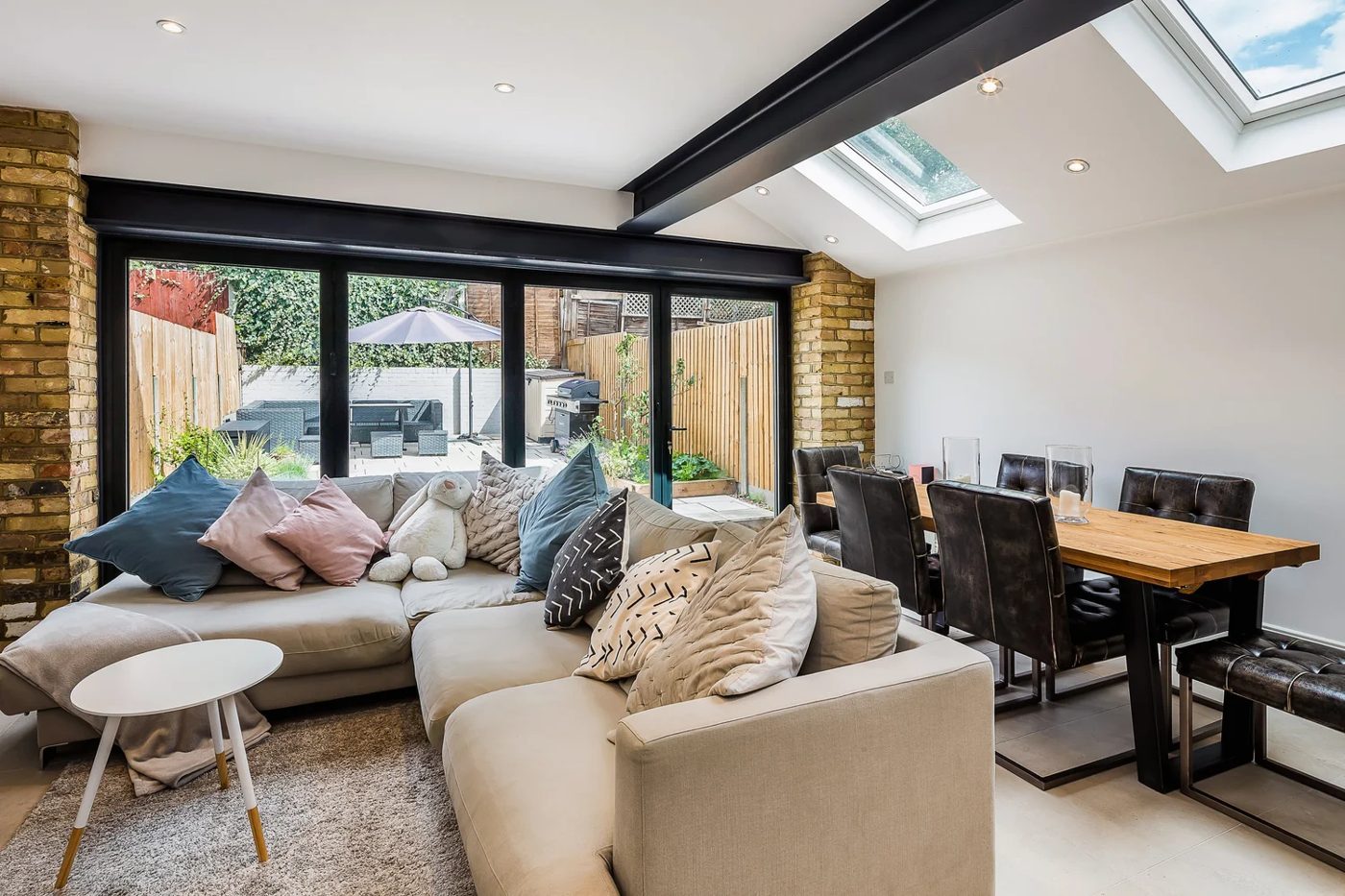
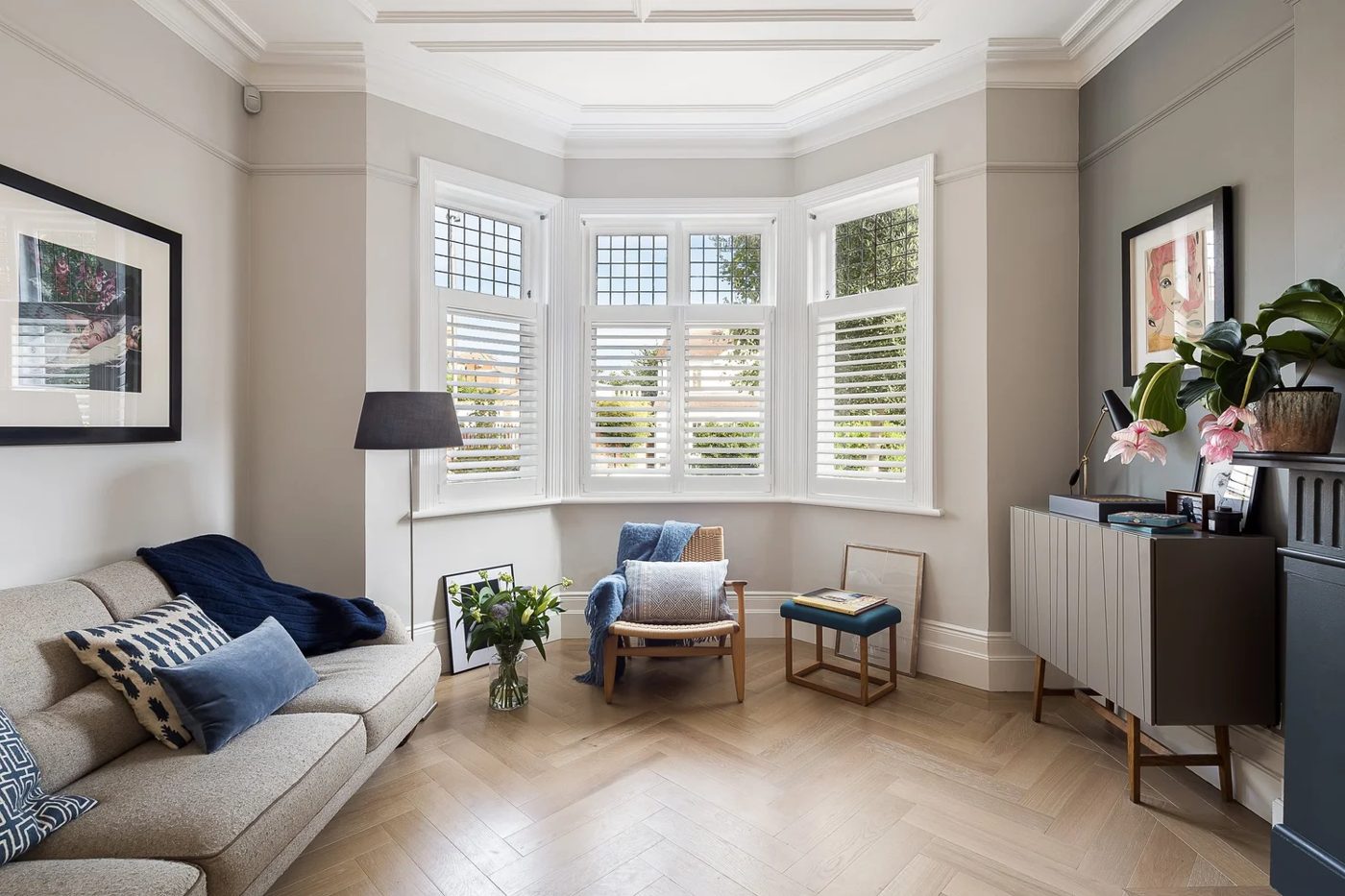
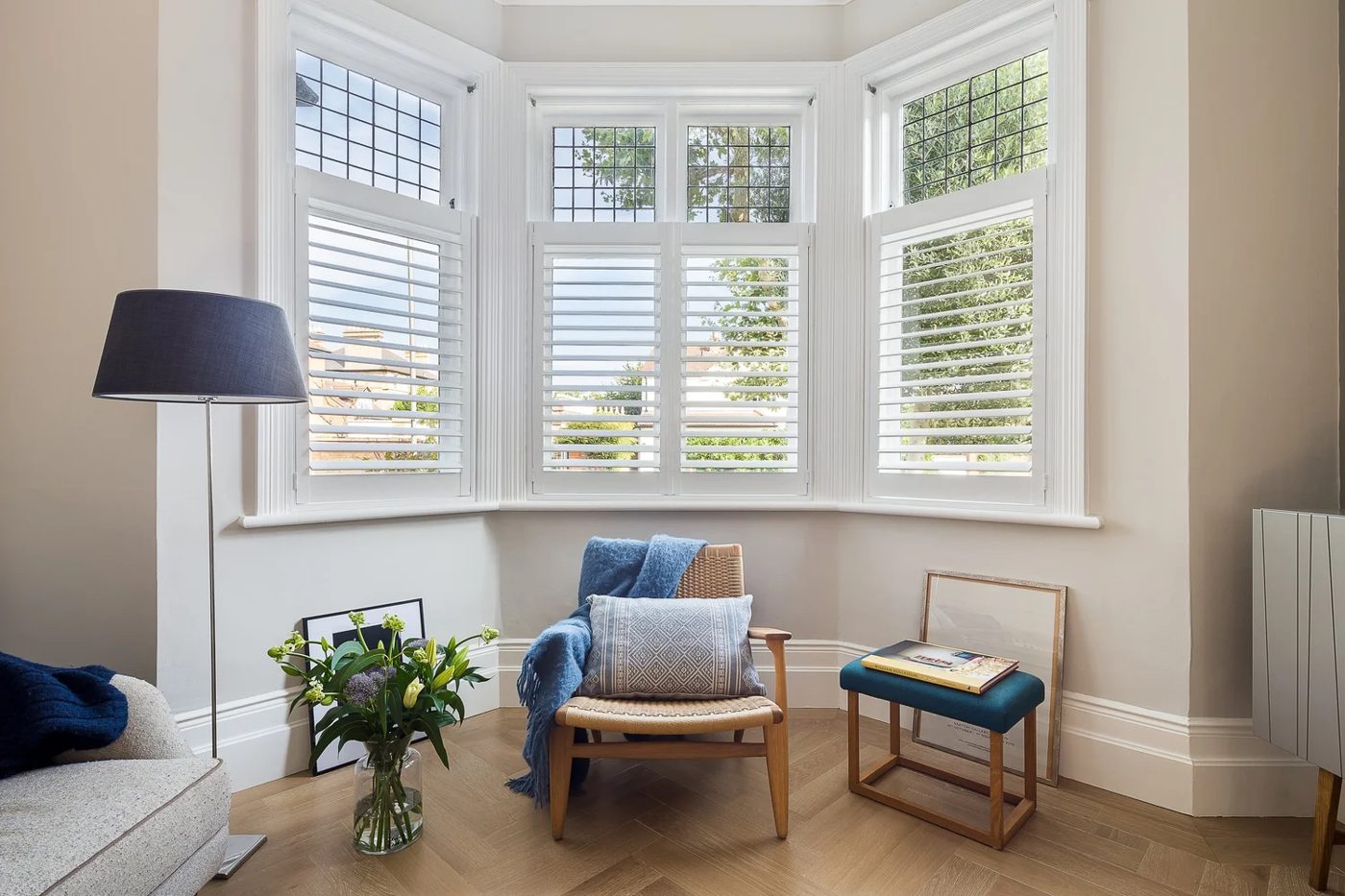
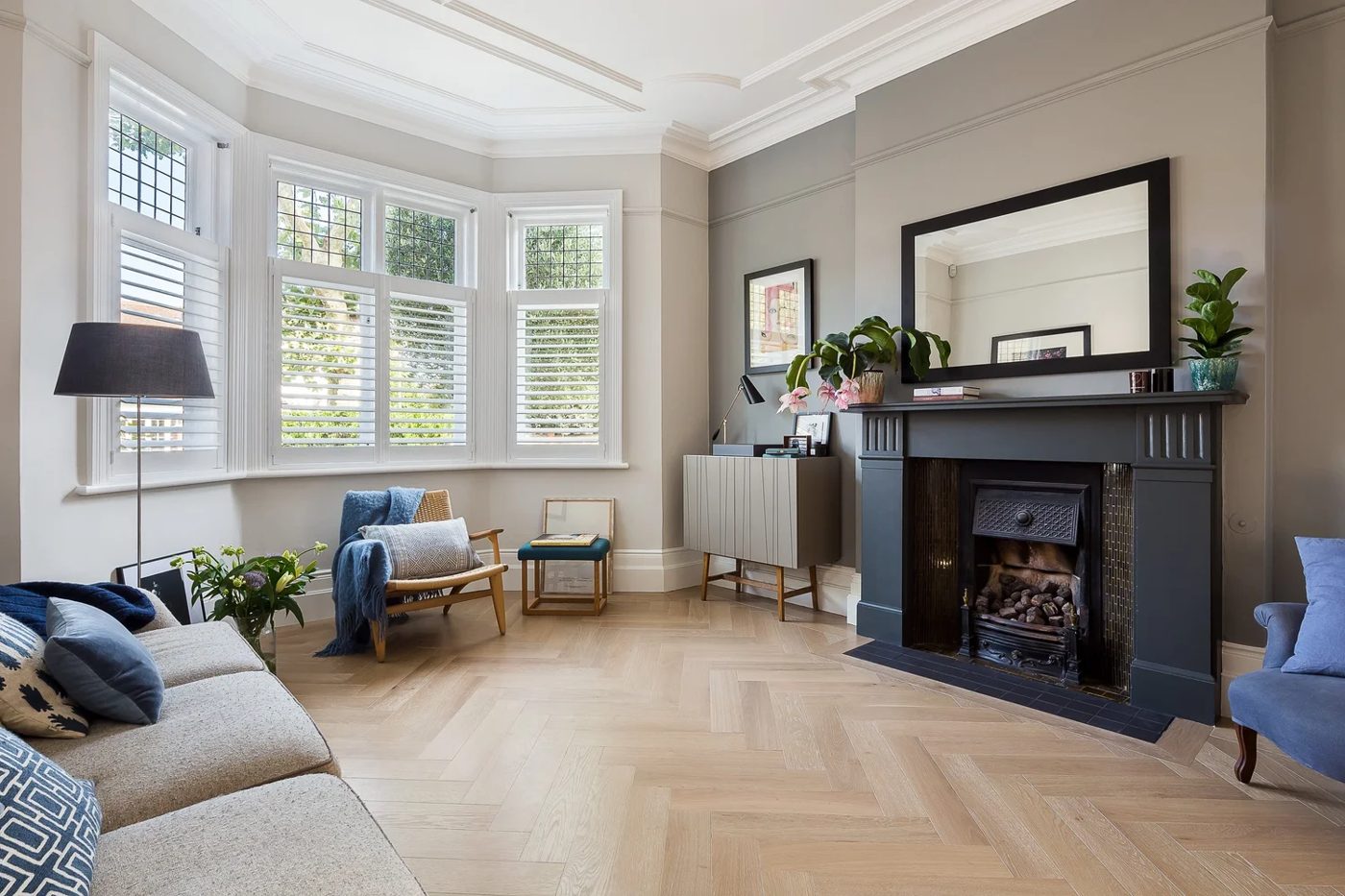
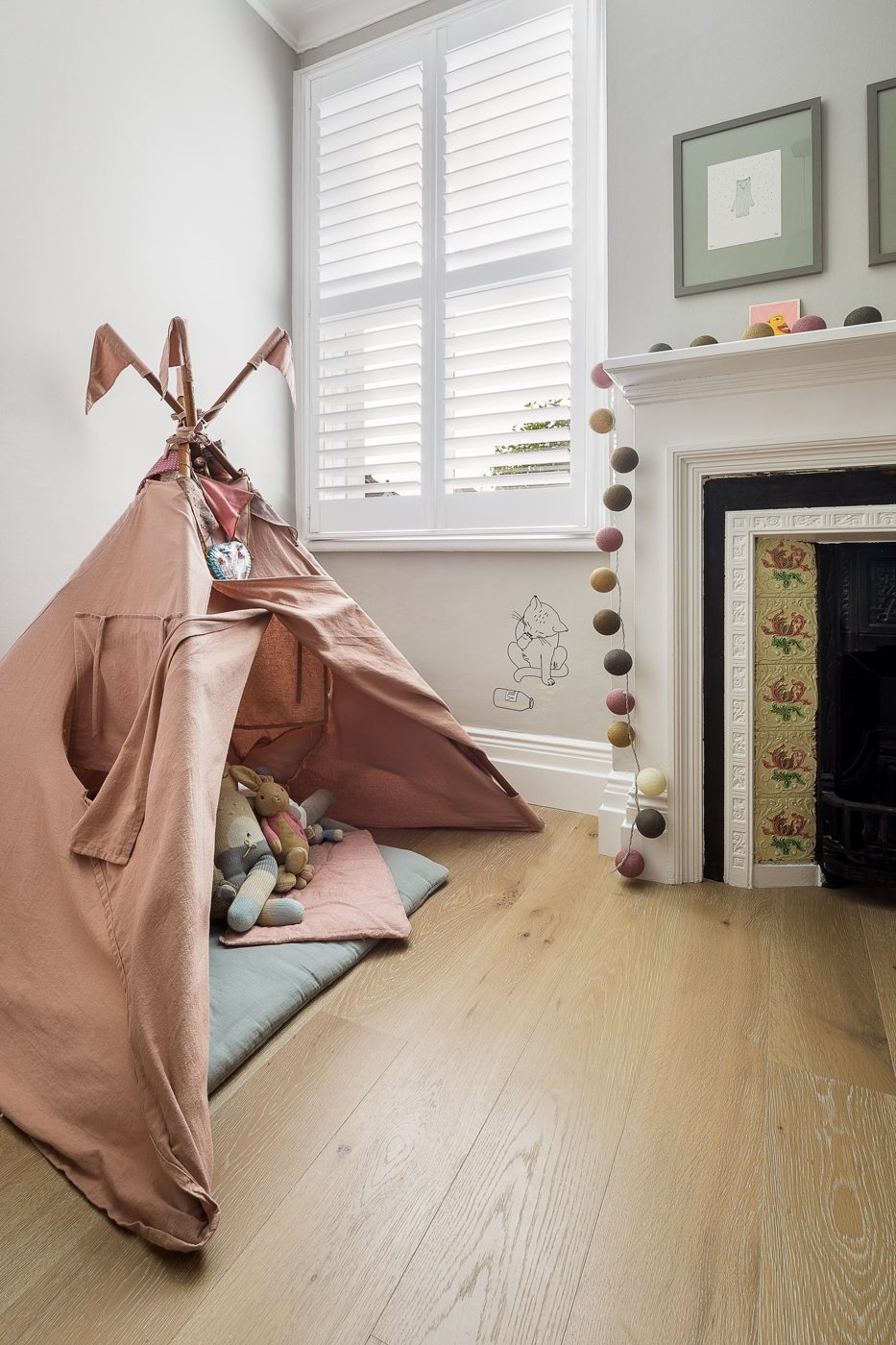
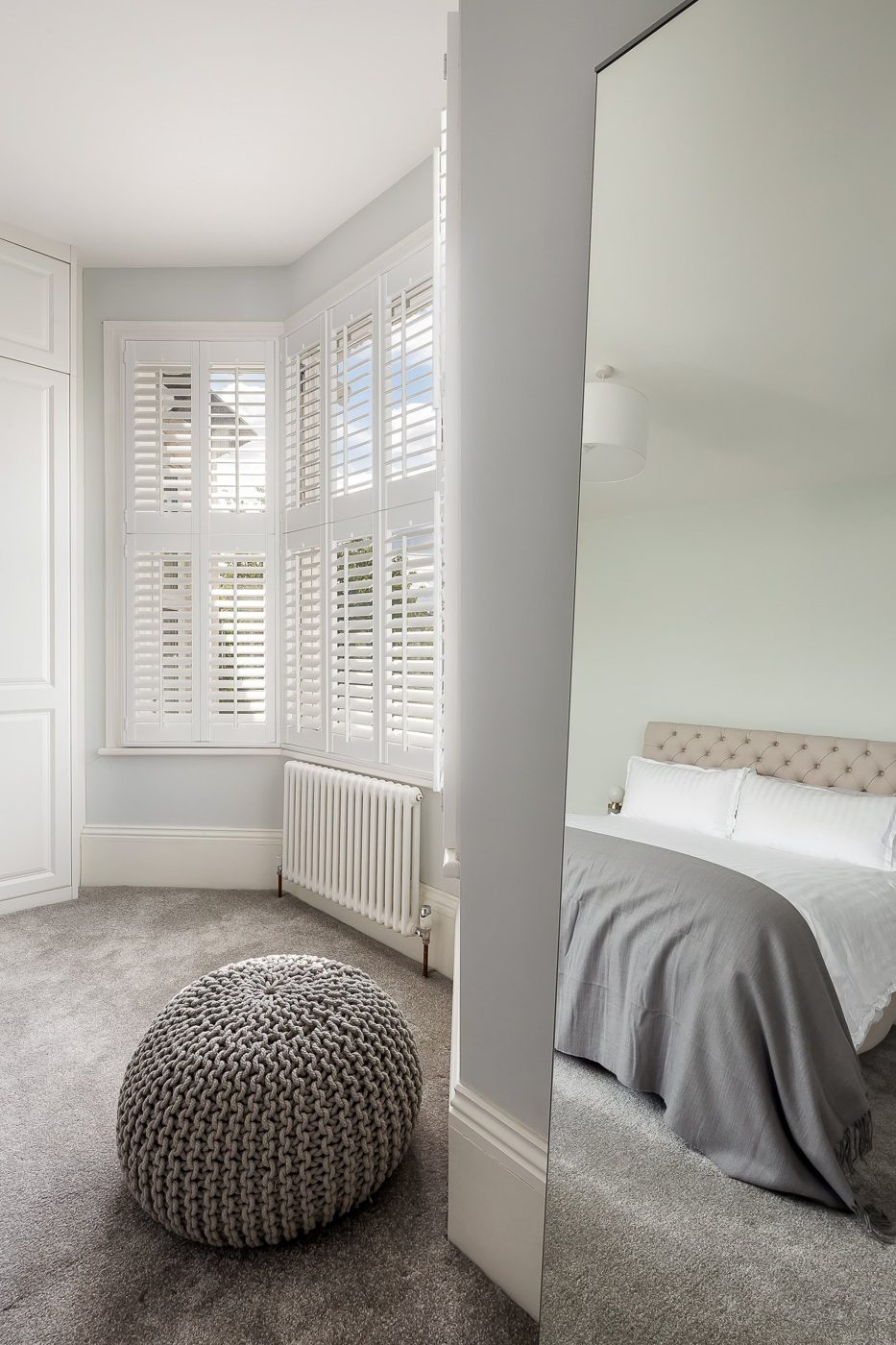
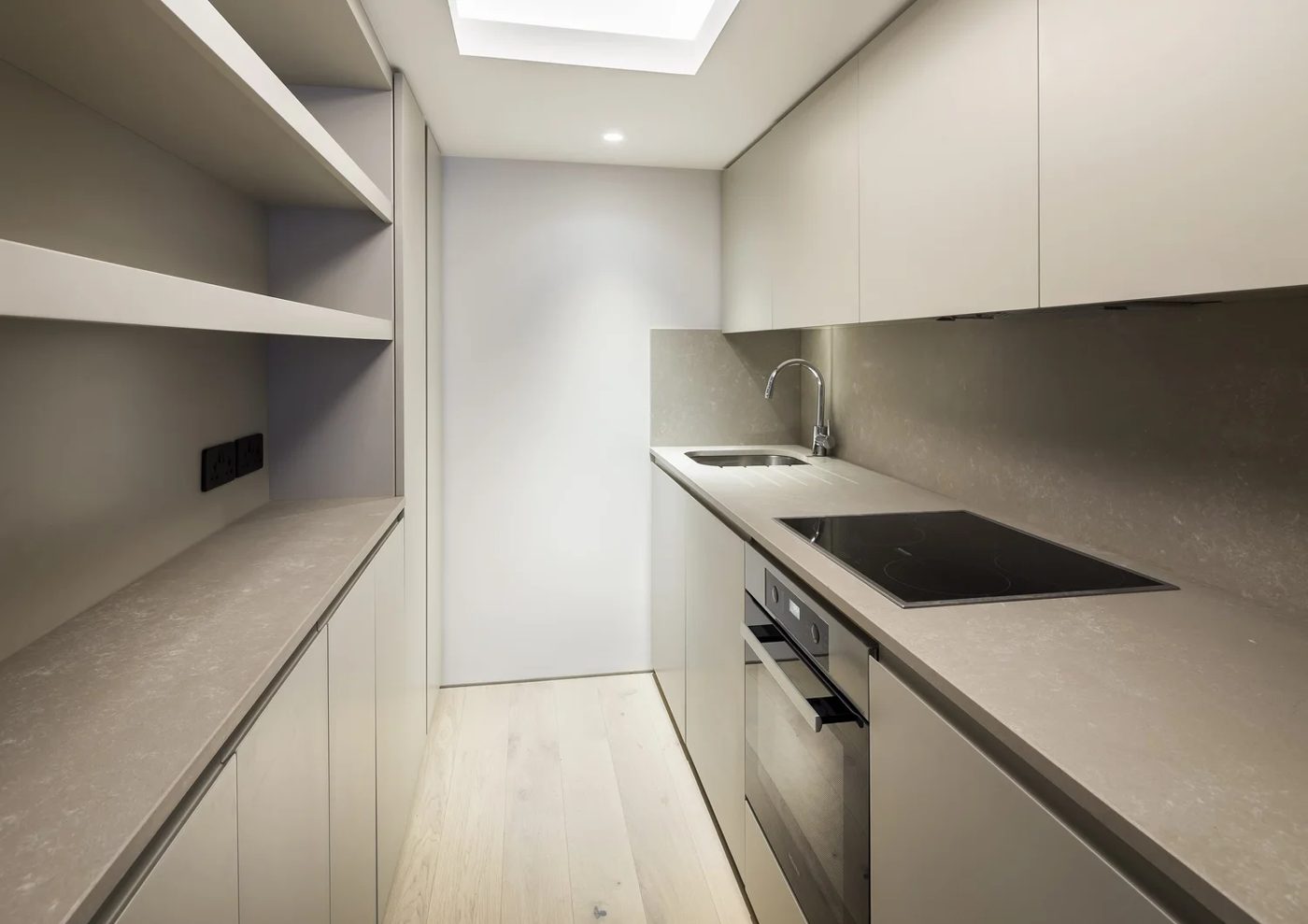
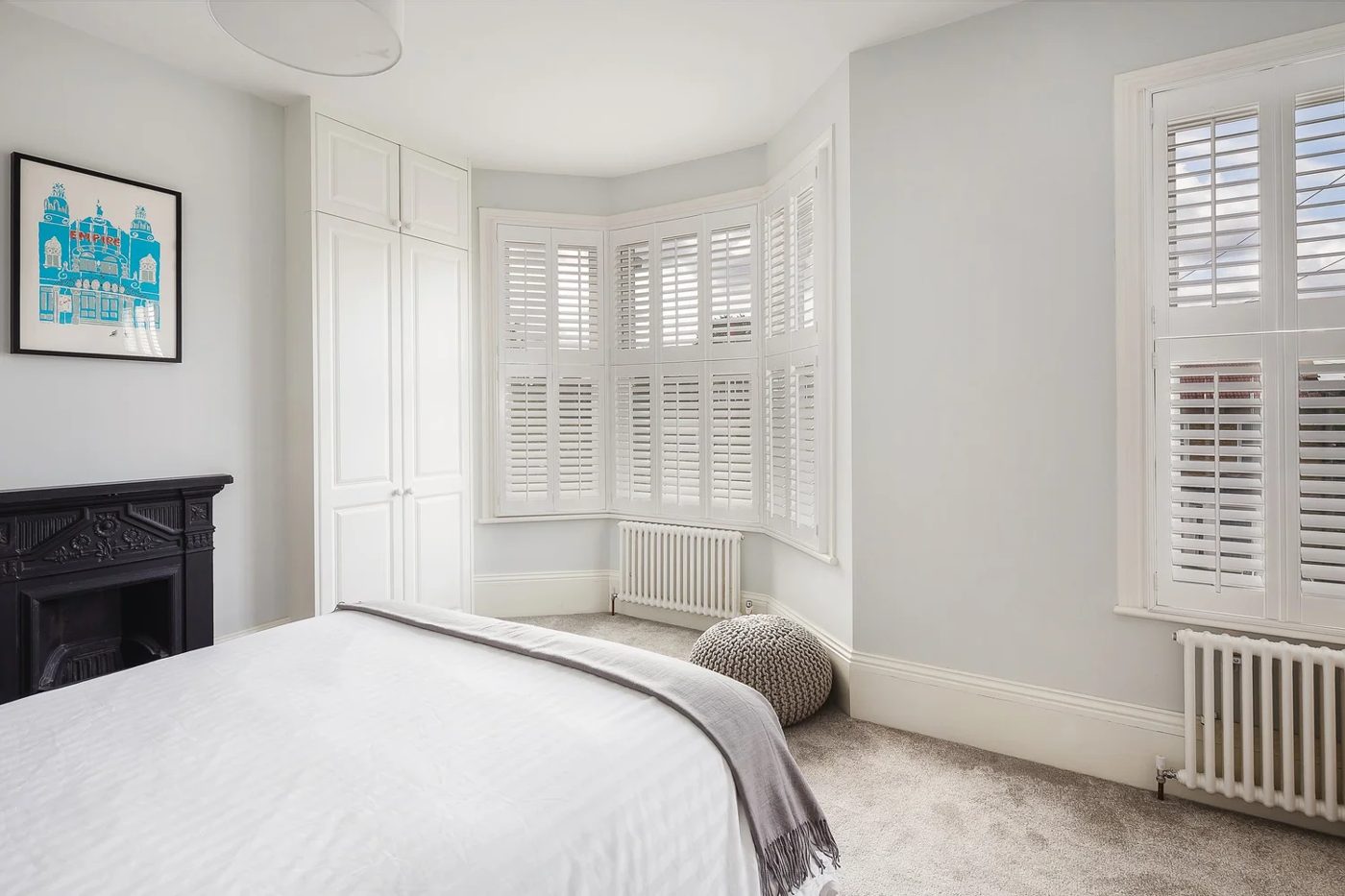
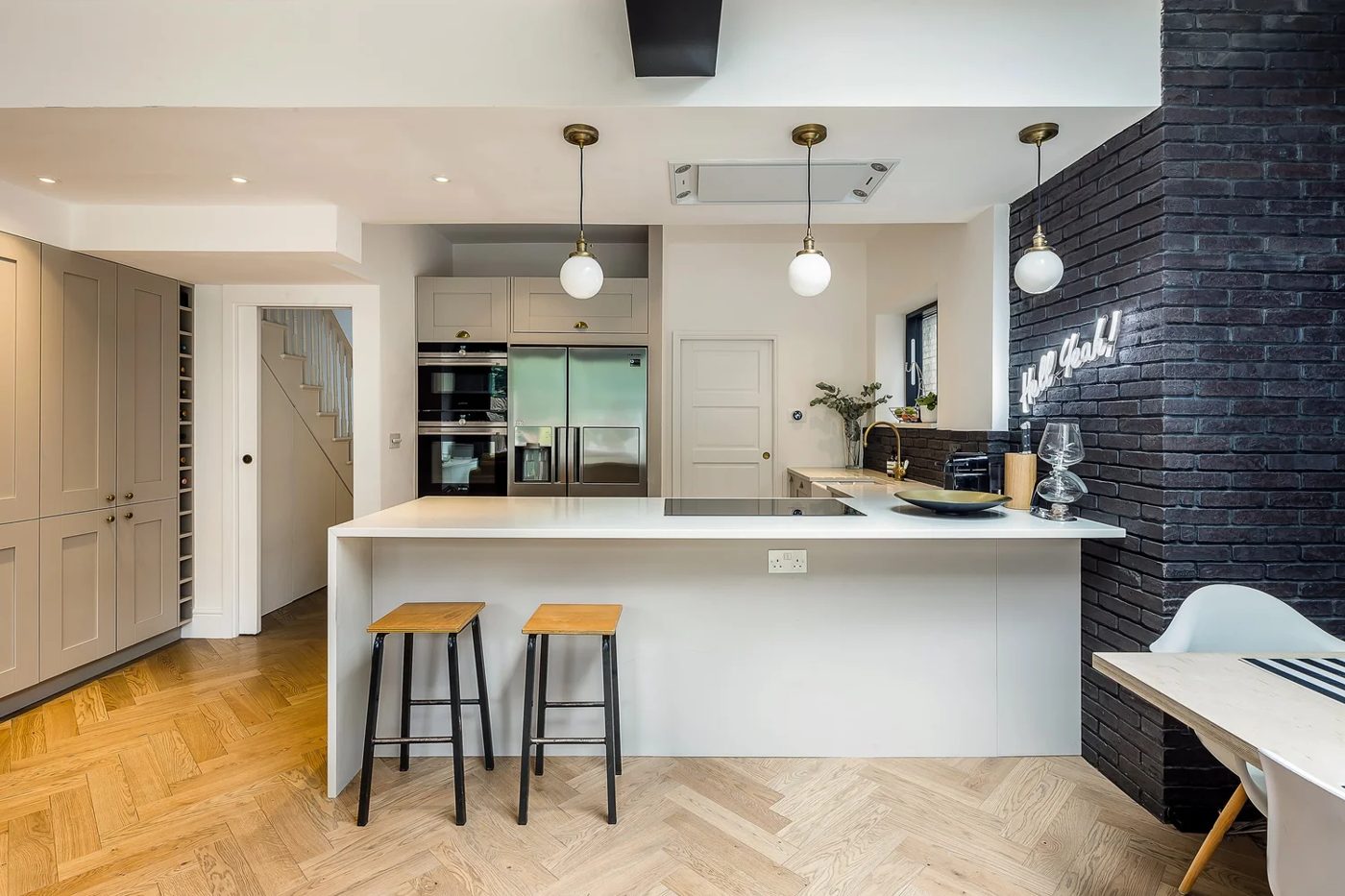
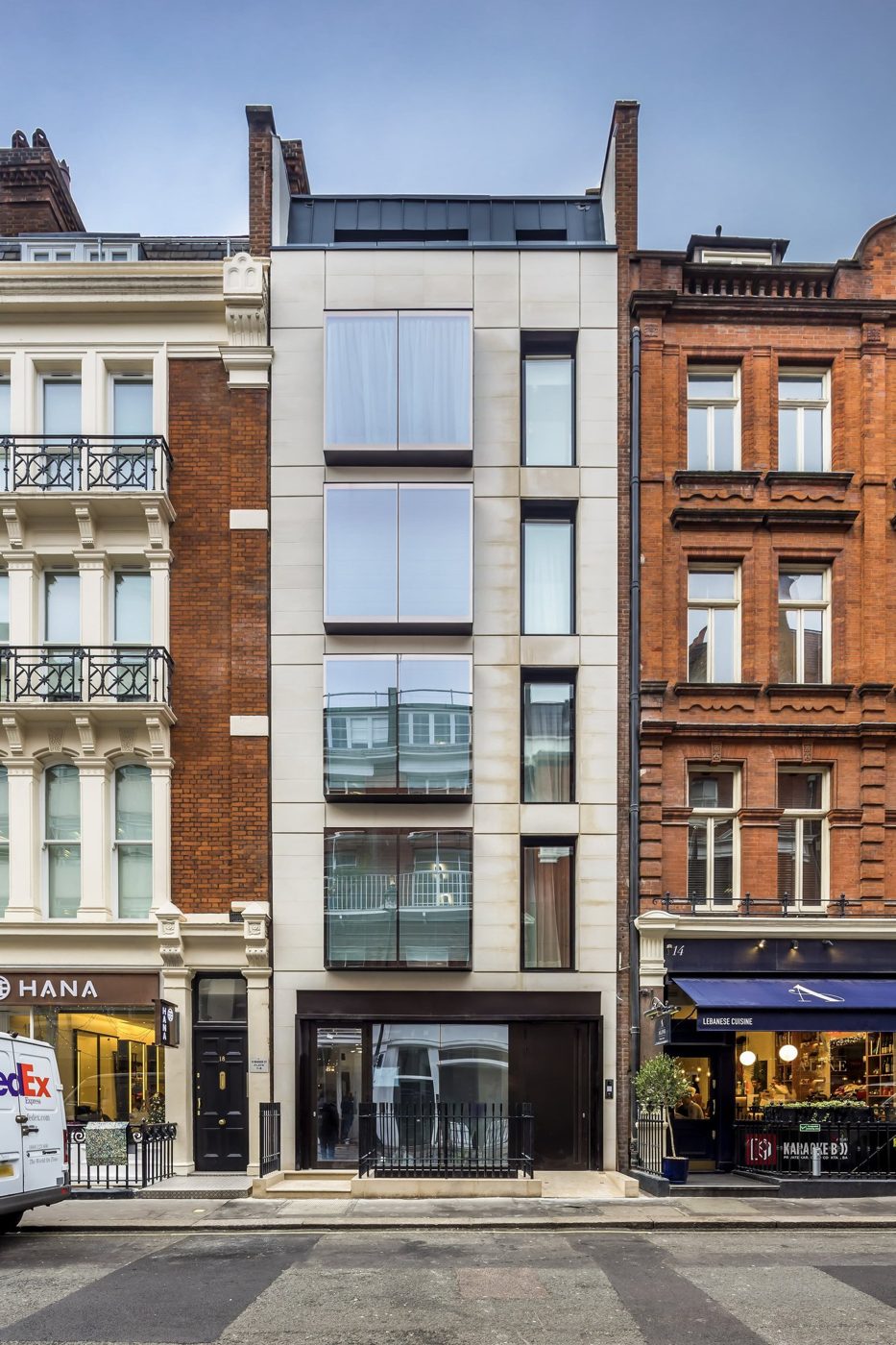
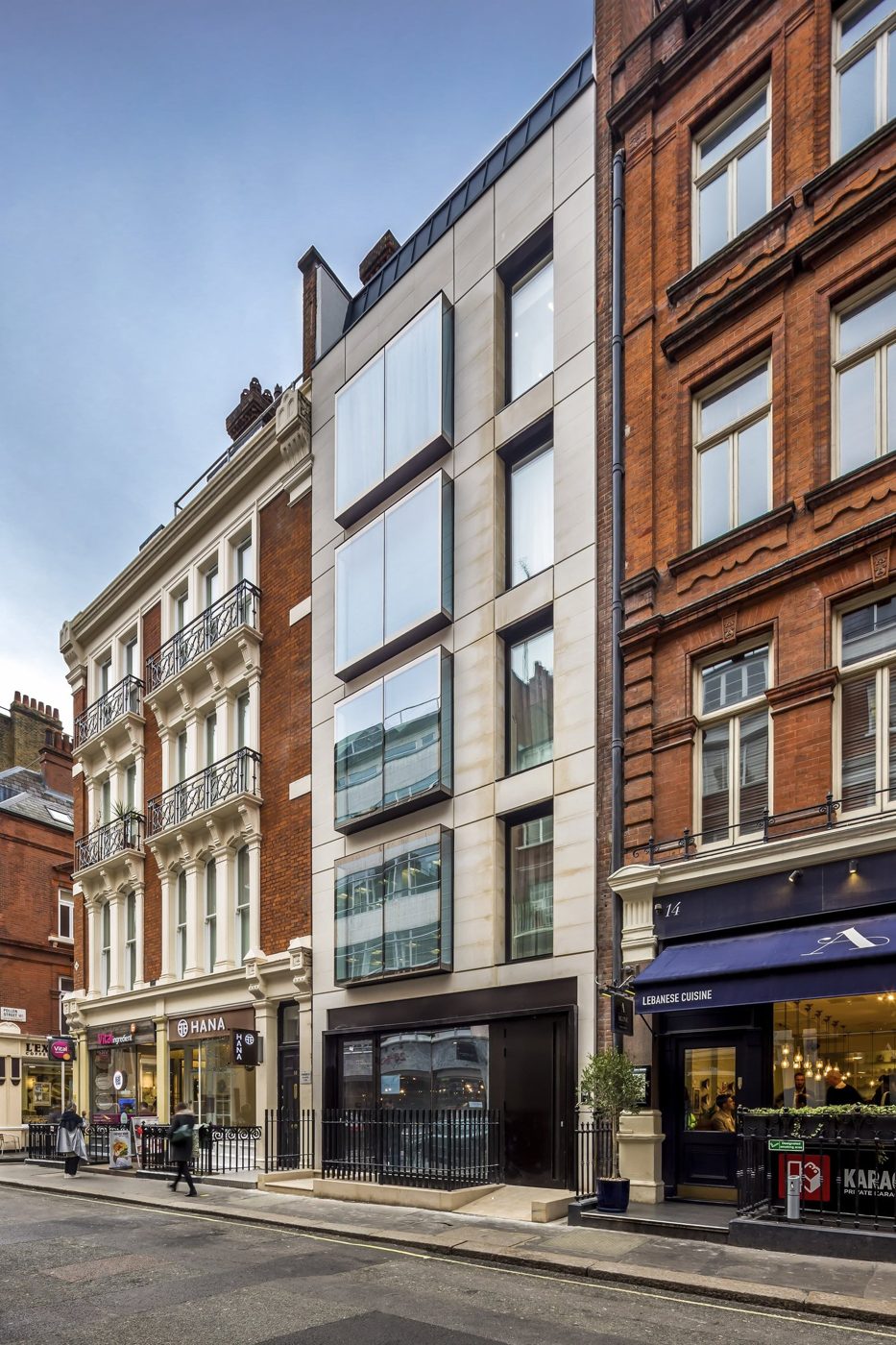
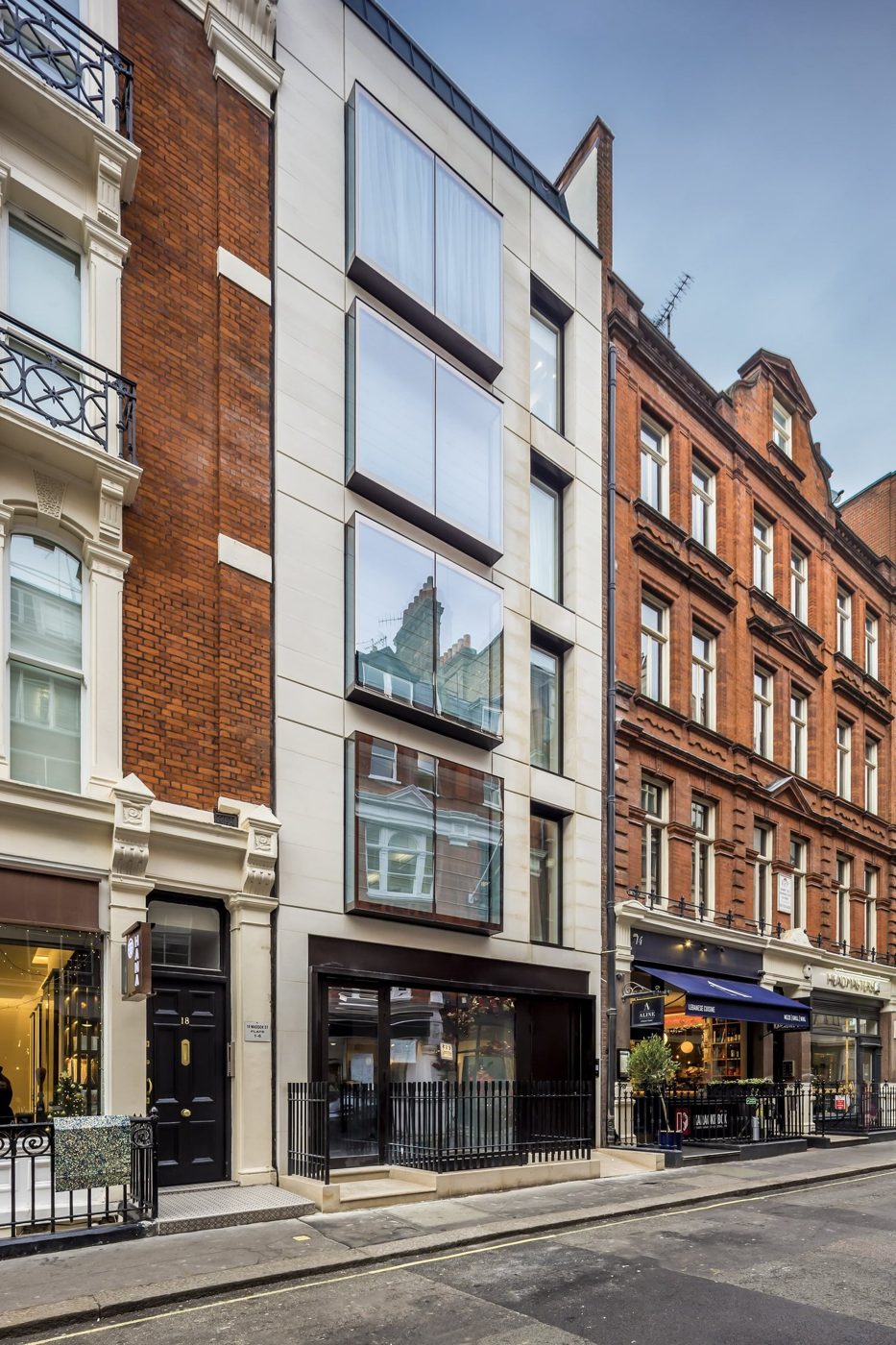
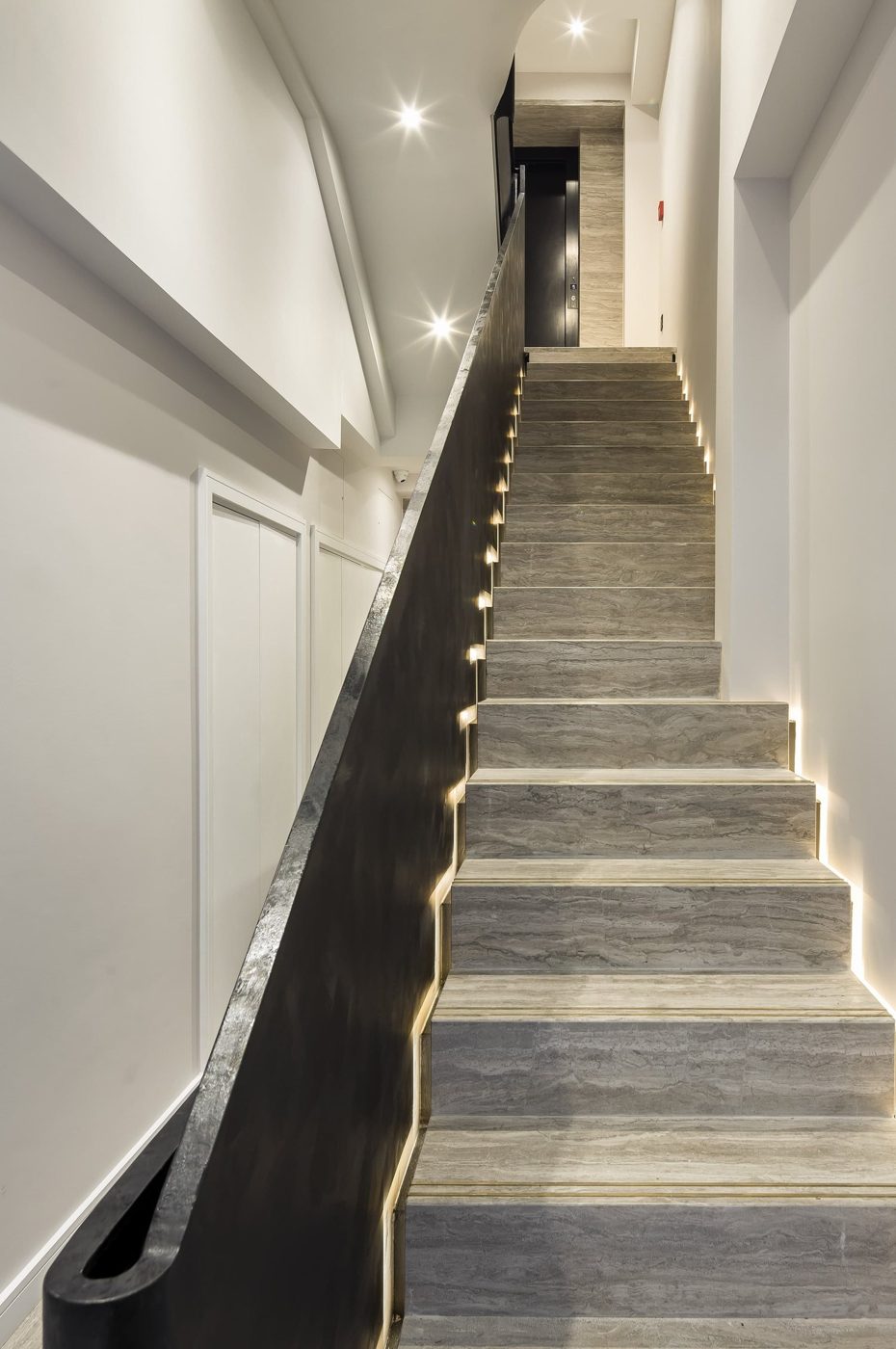
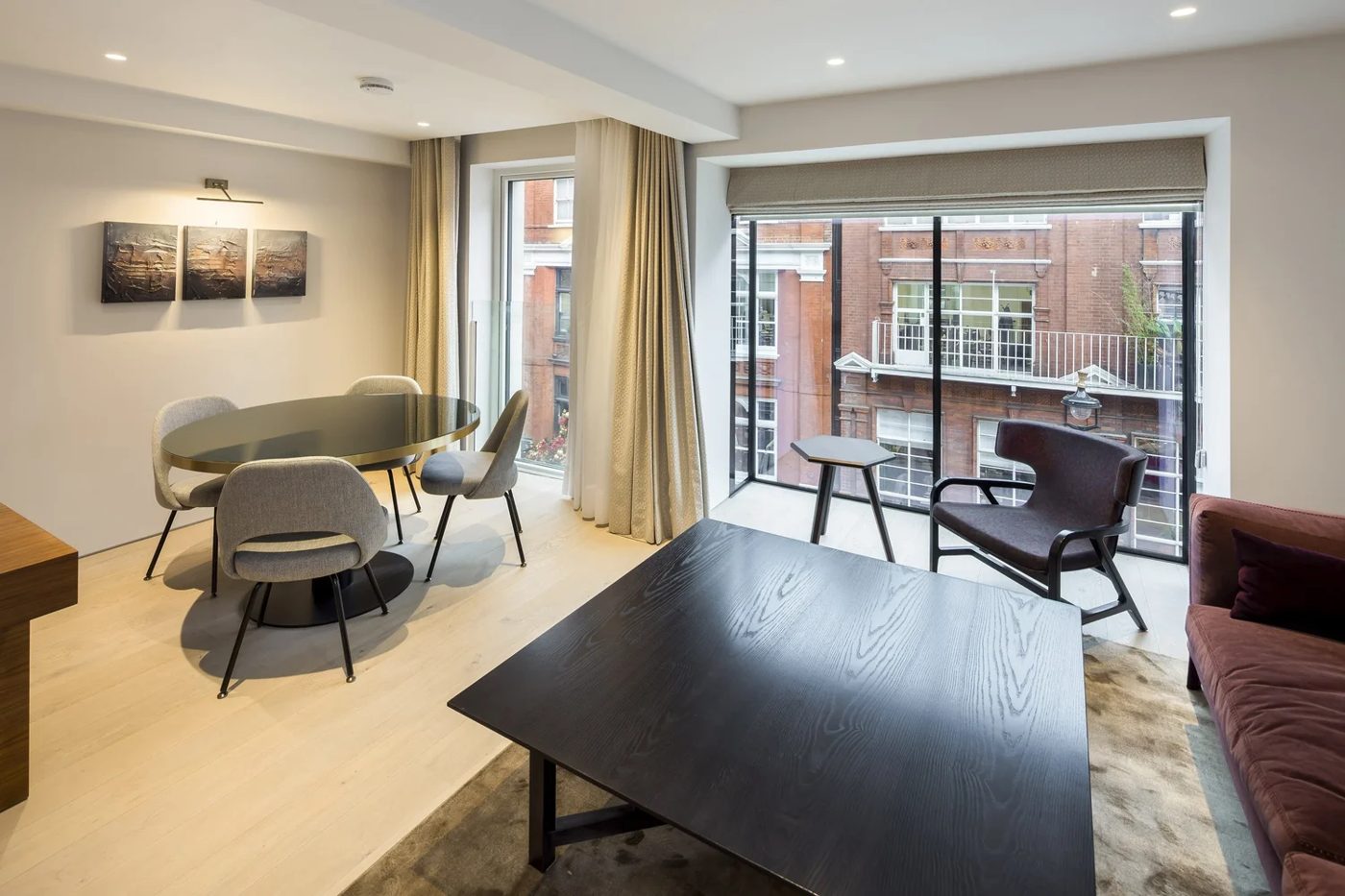
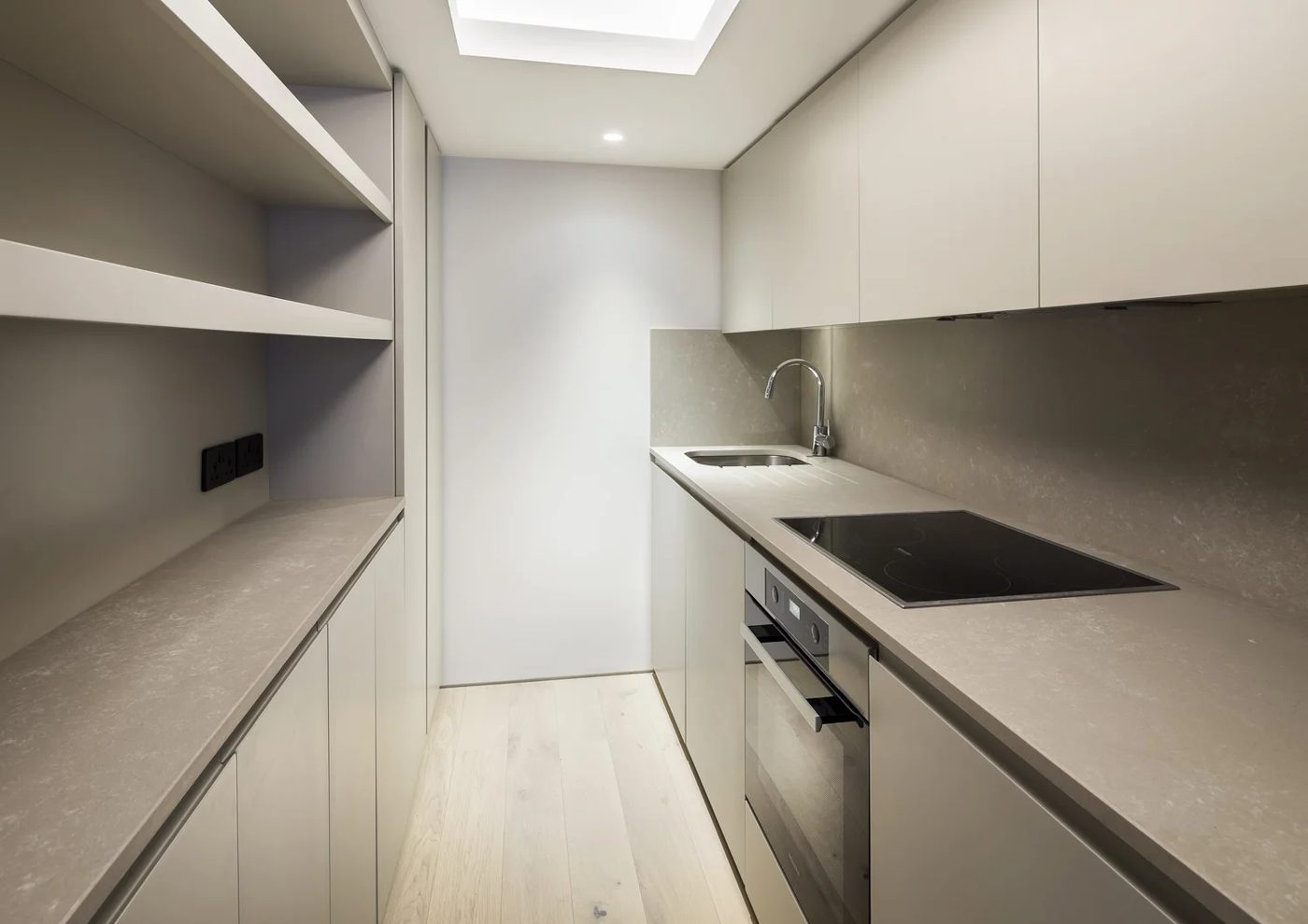
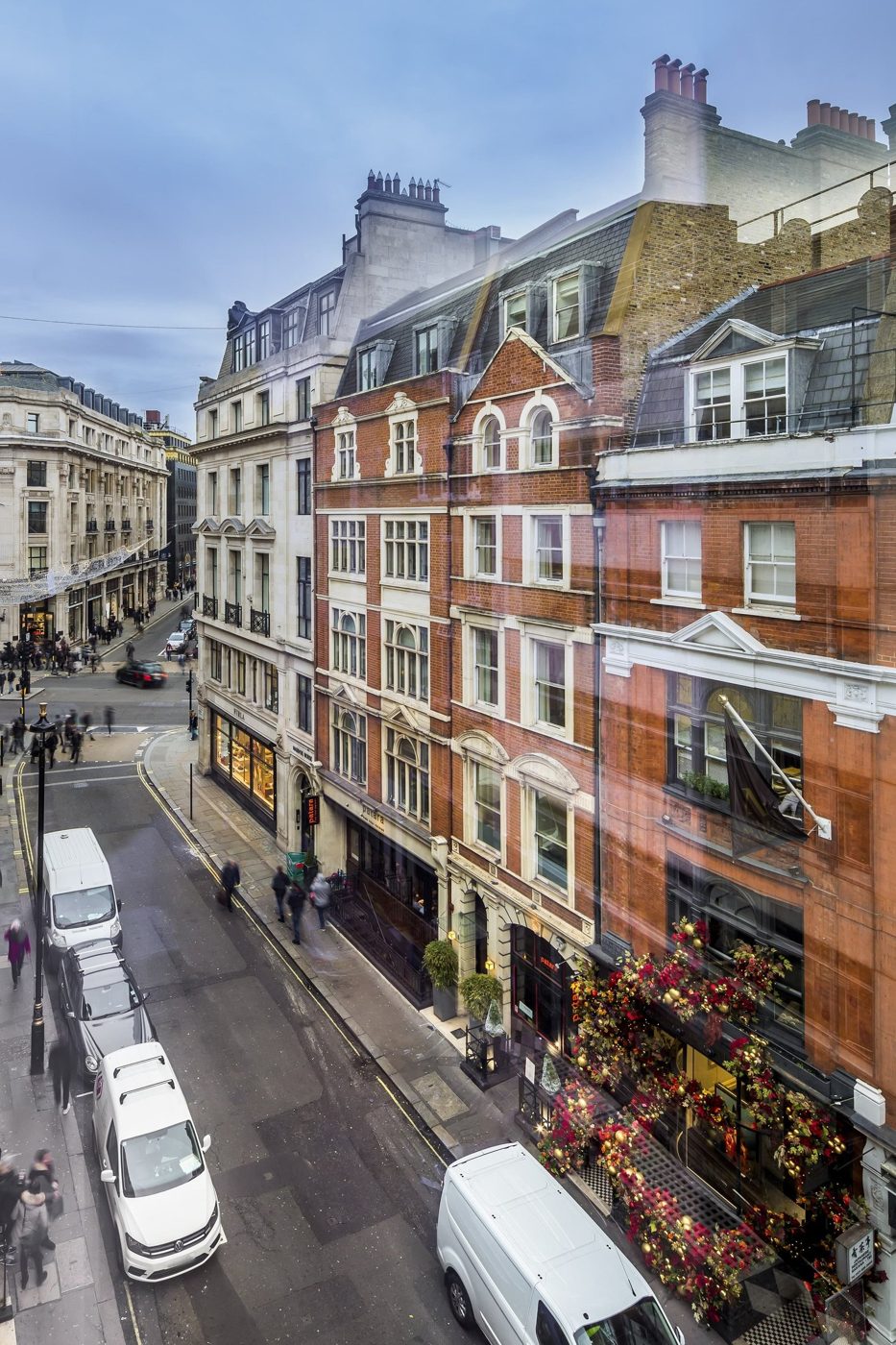
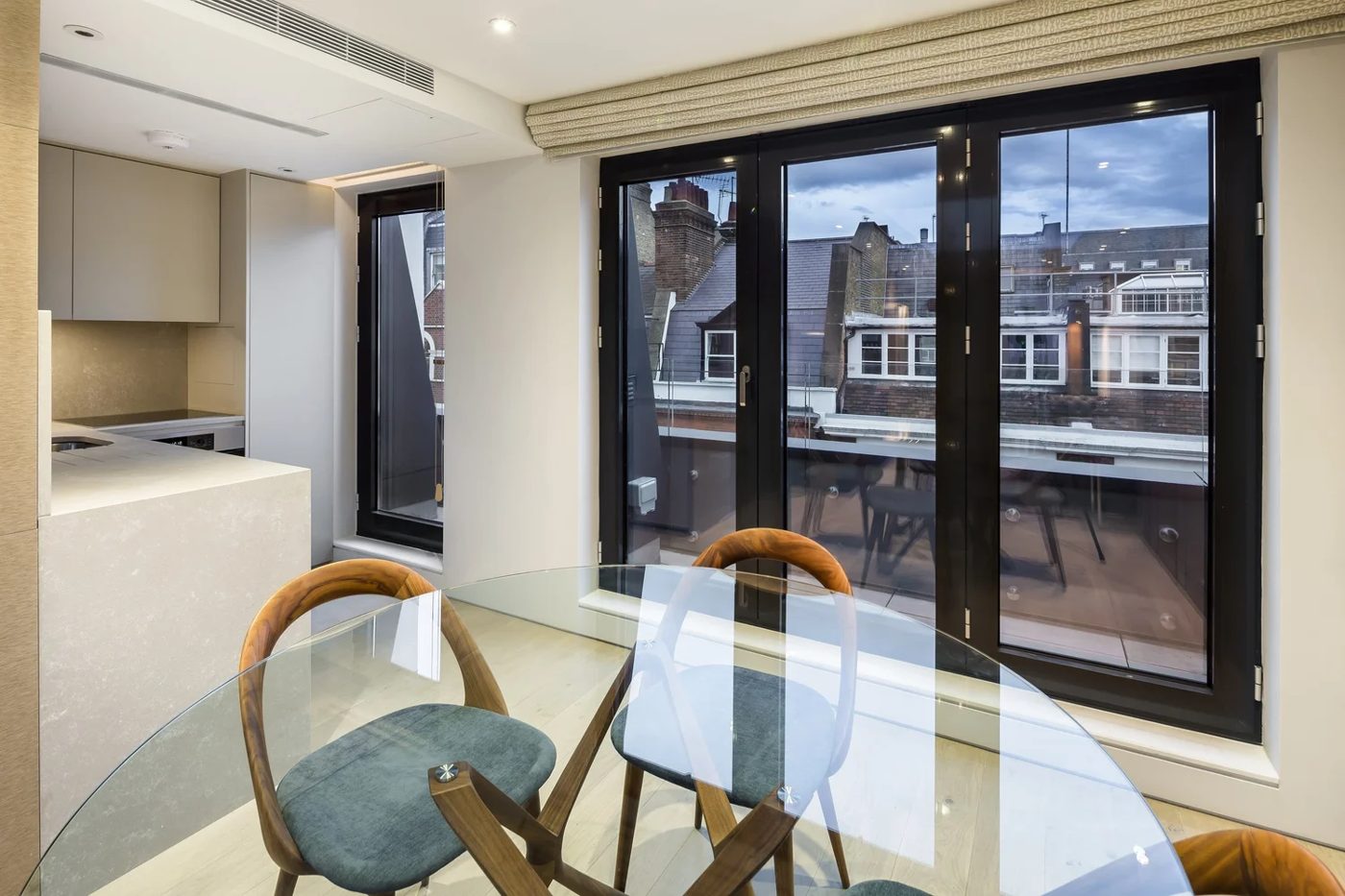
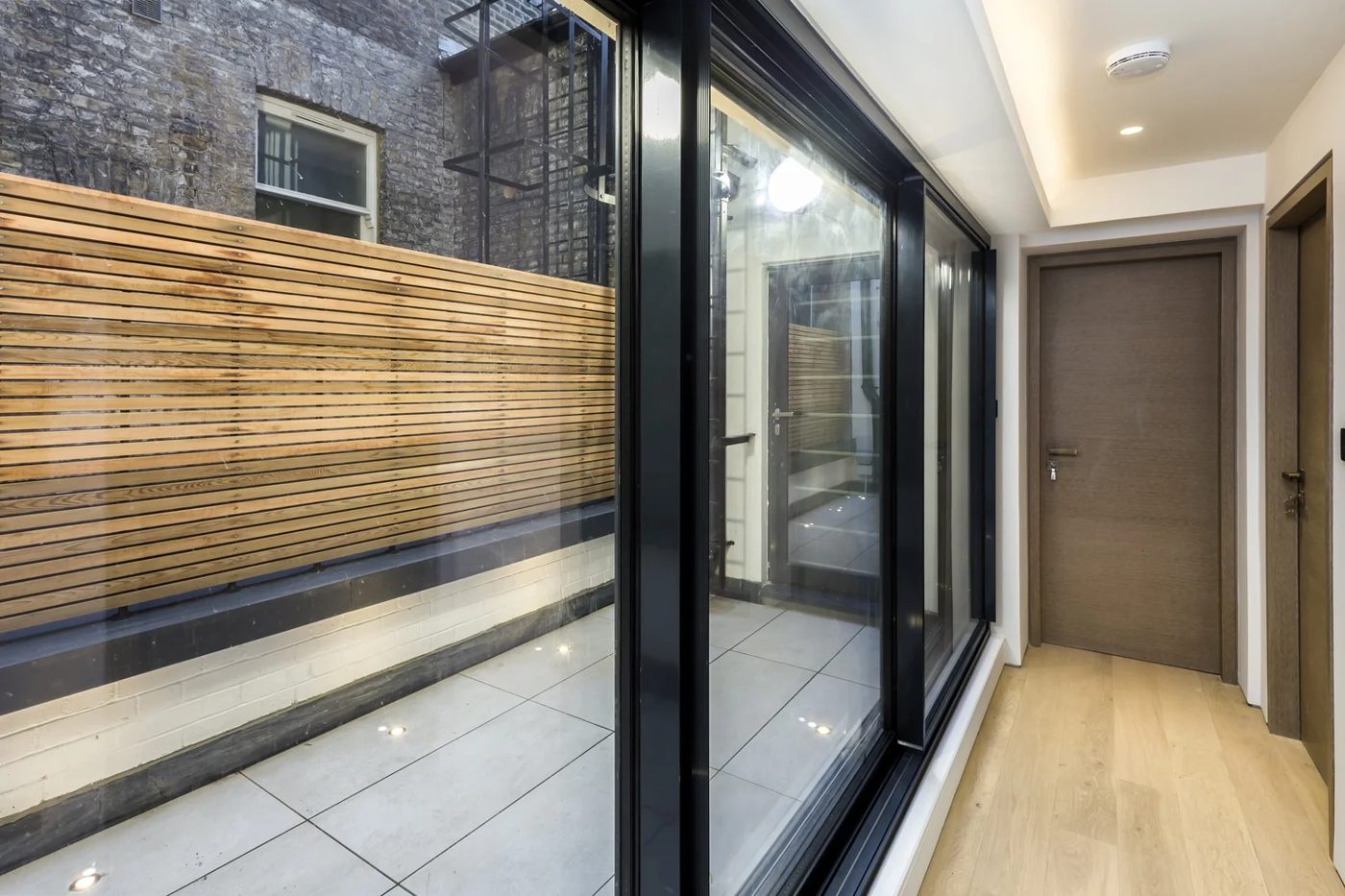
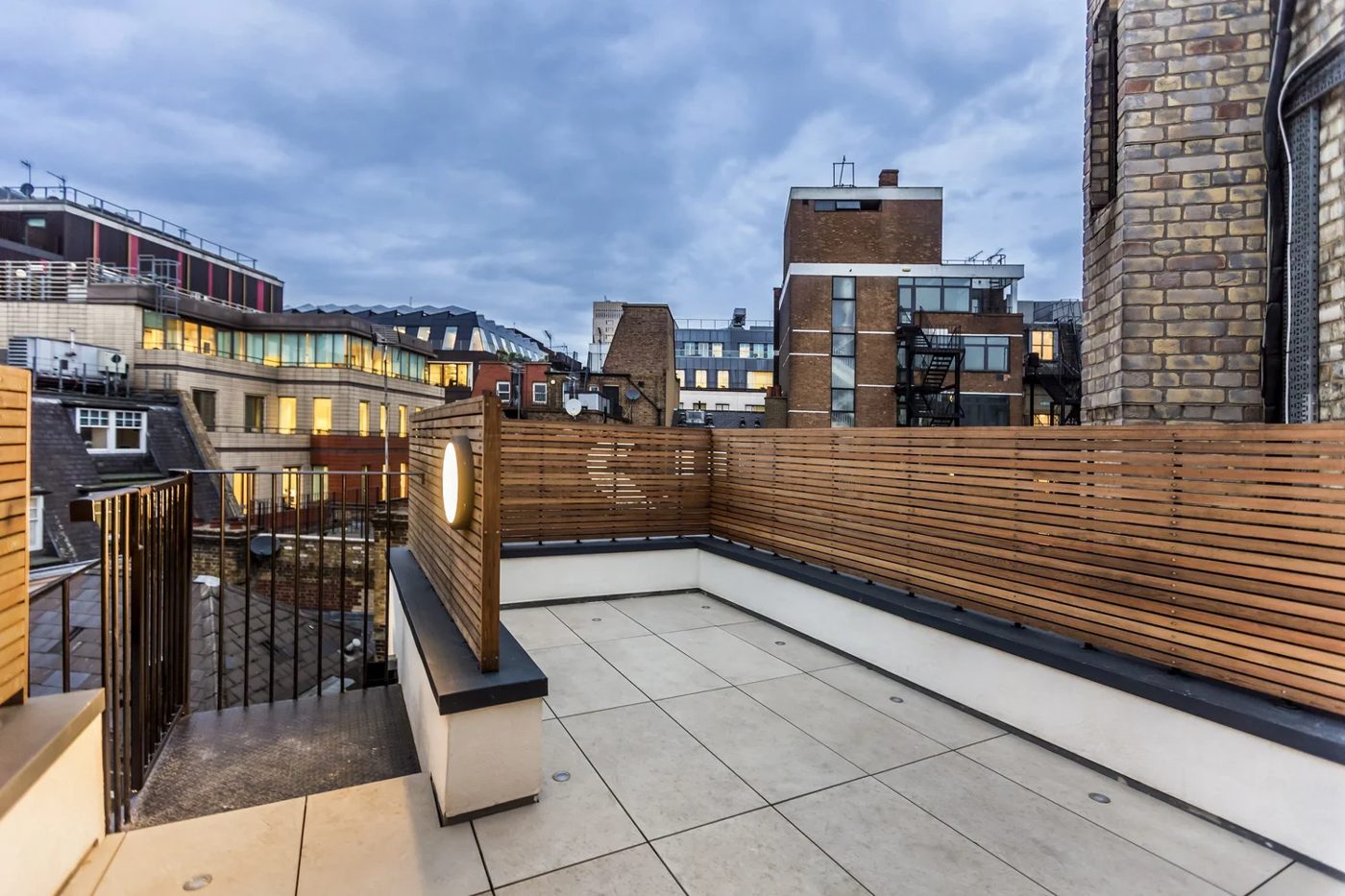
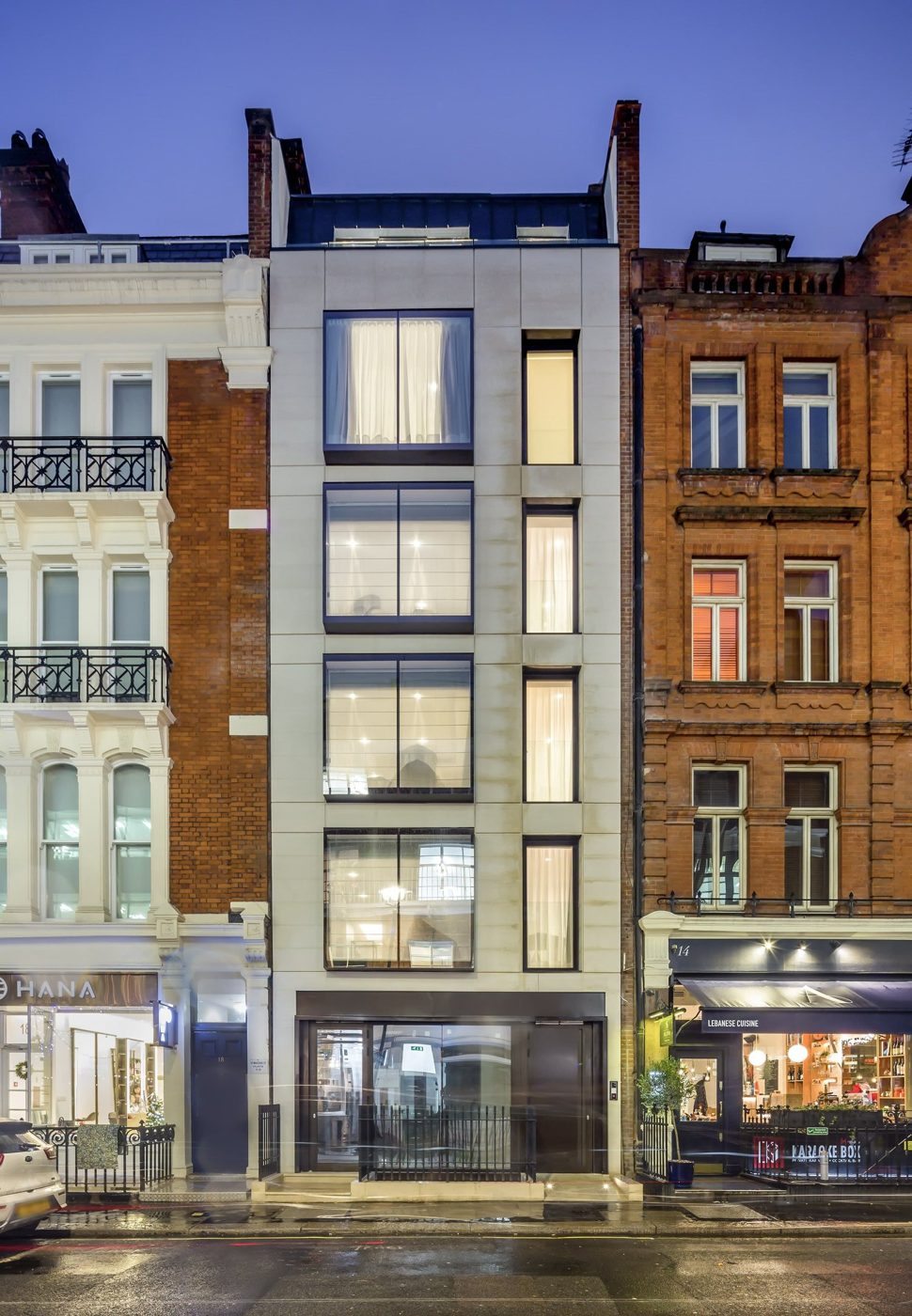
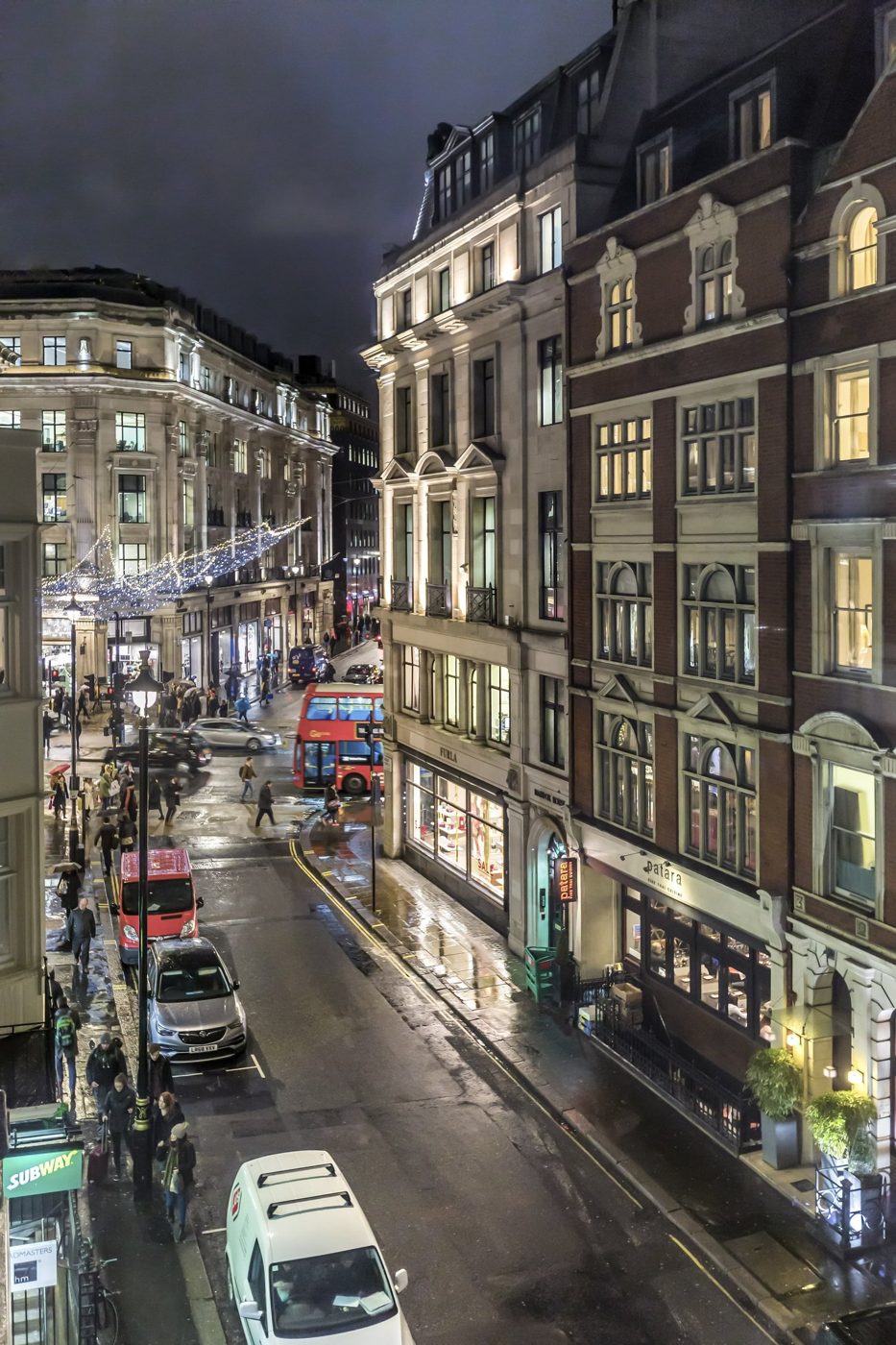
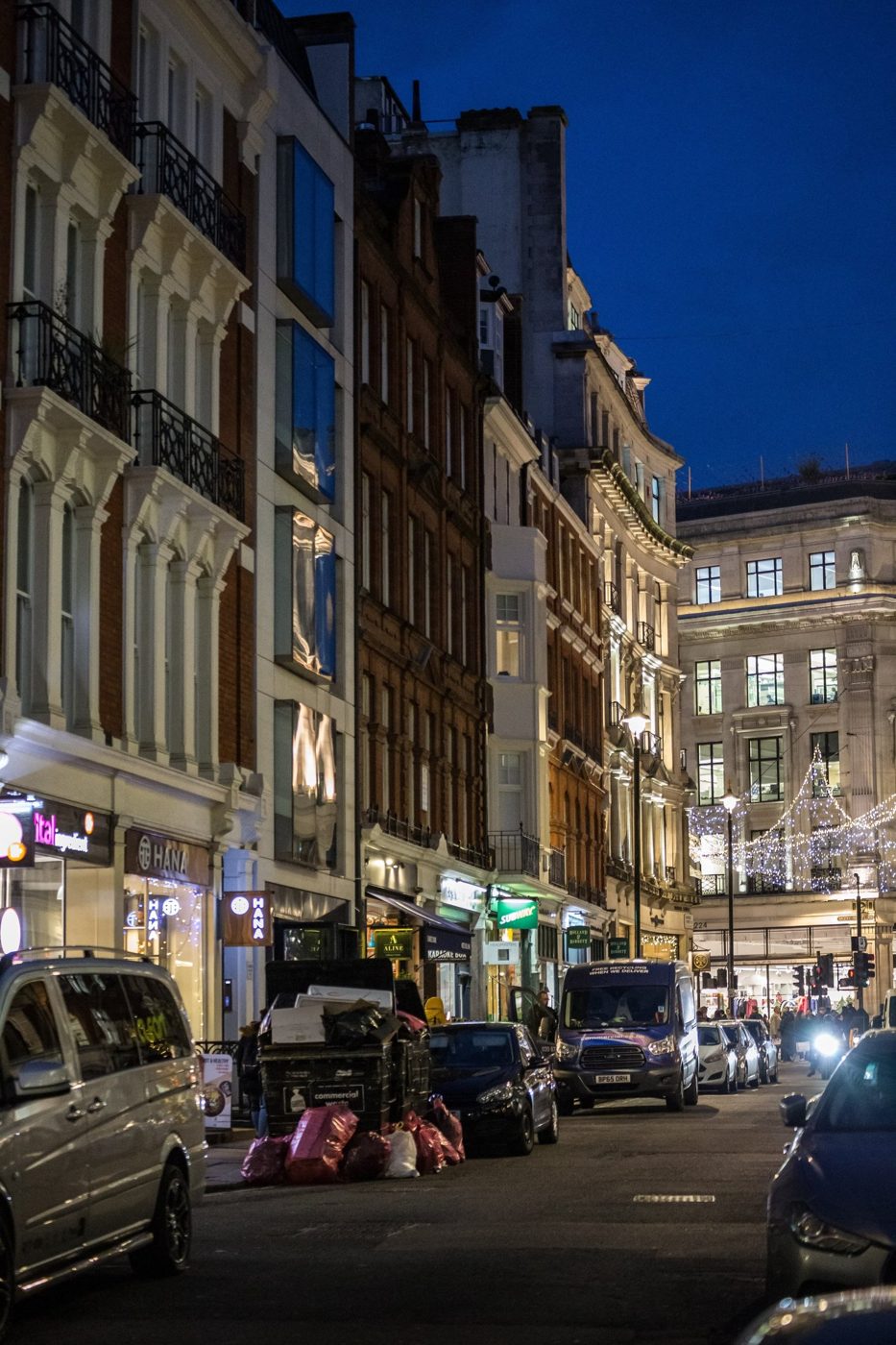
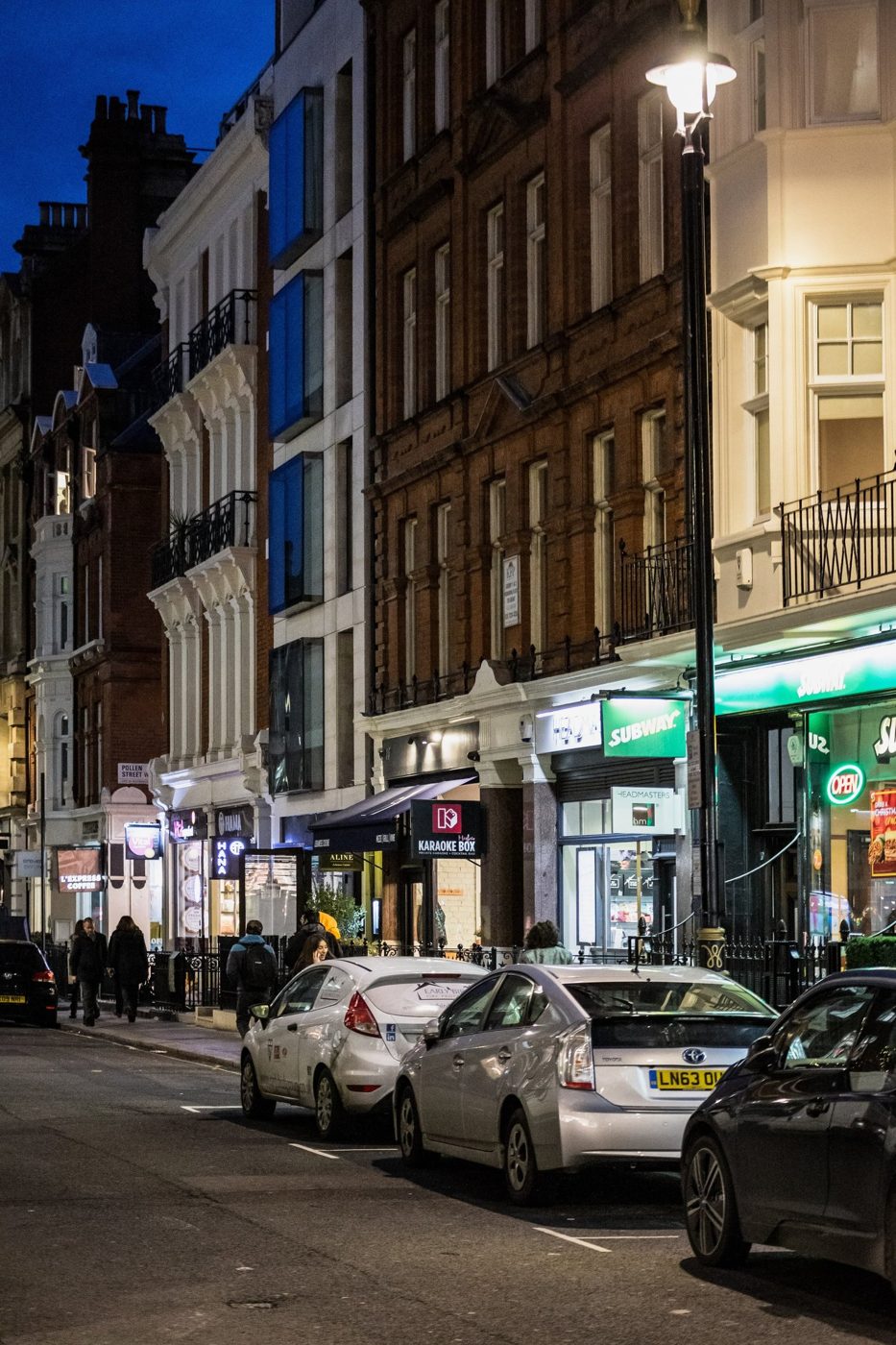
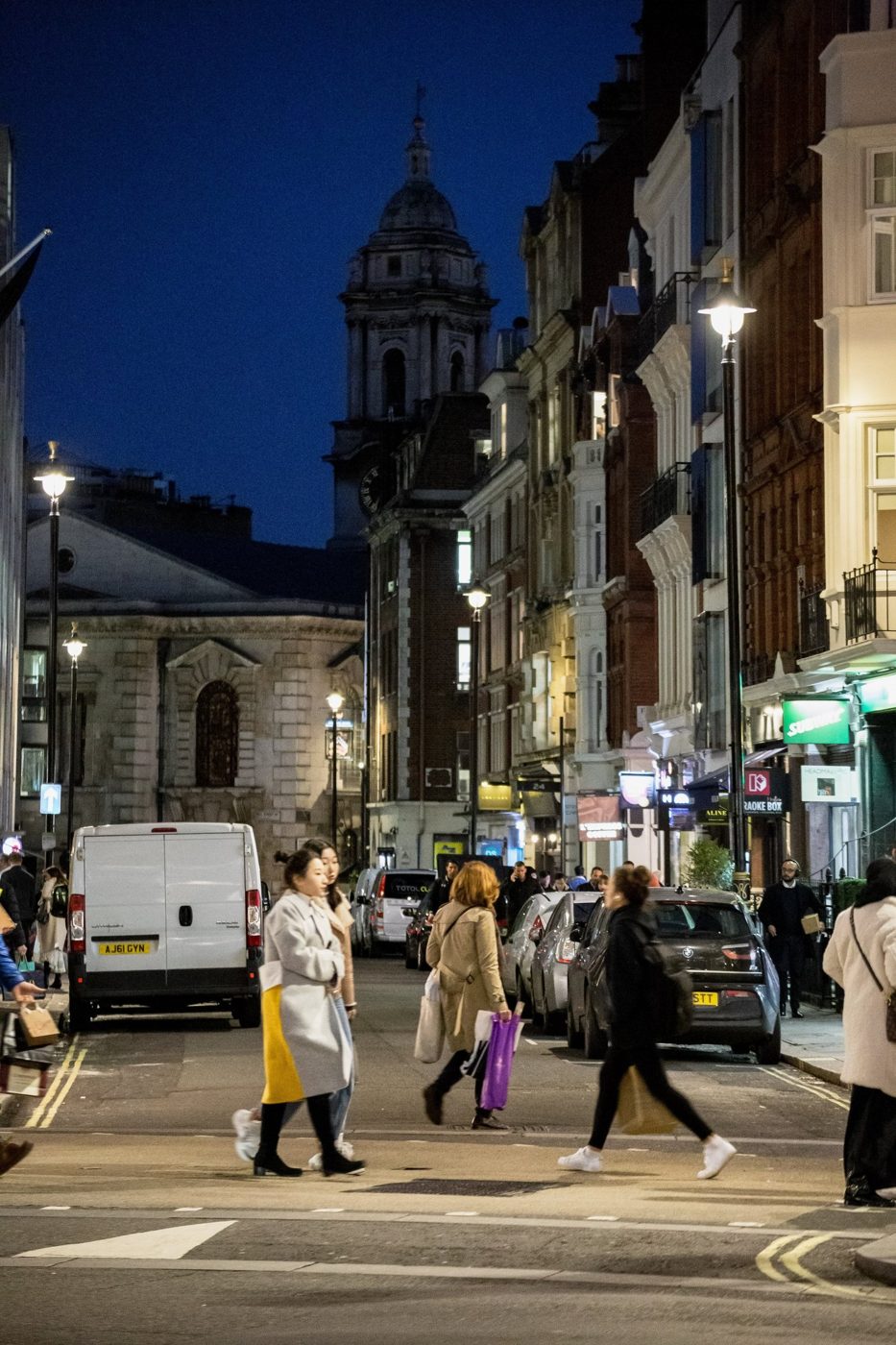
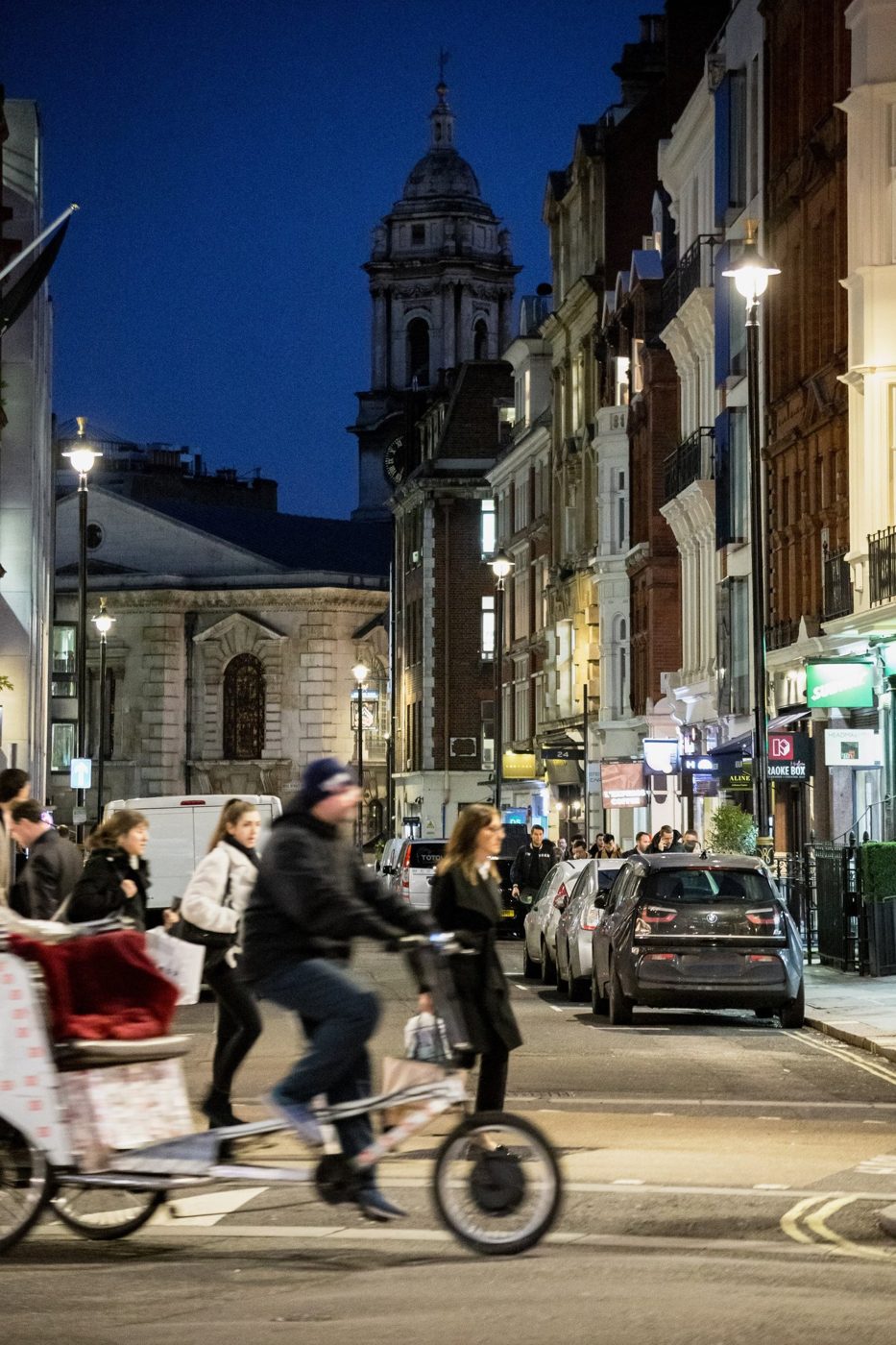
From the residential archive























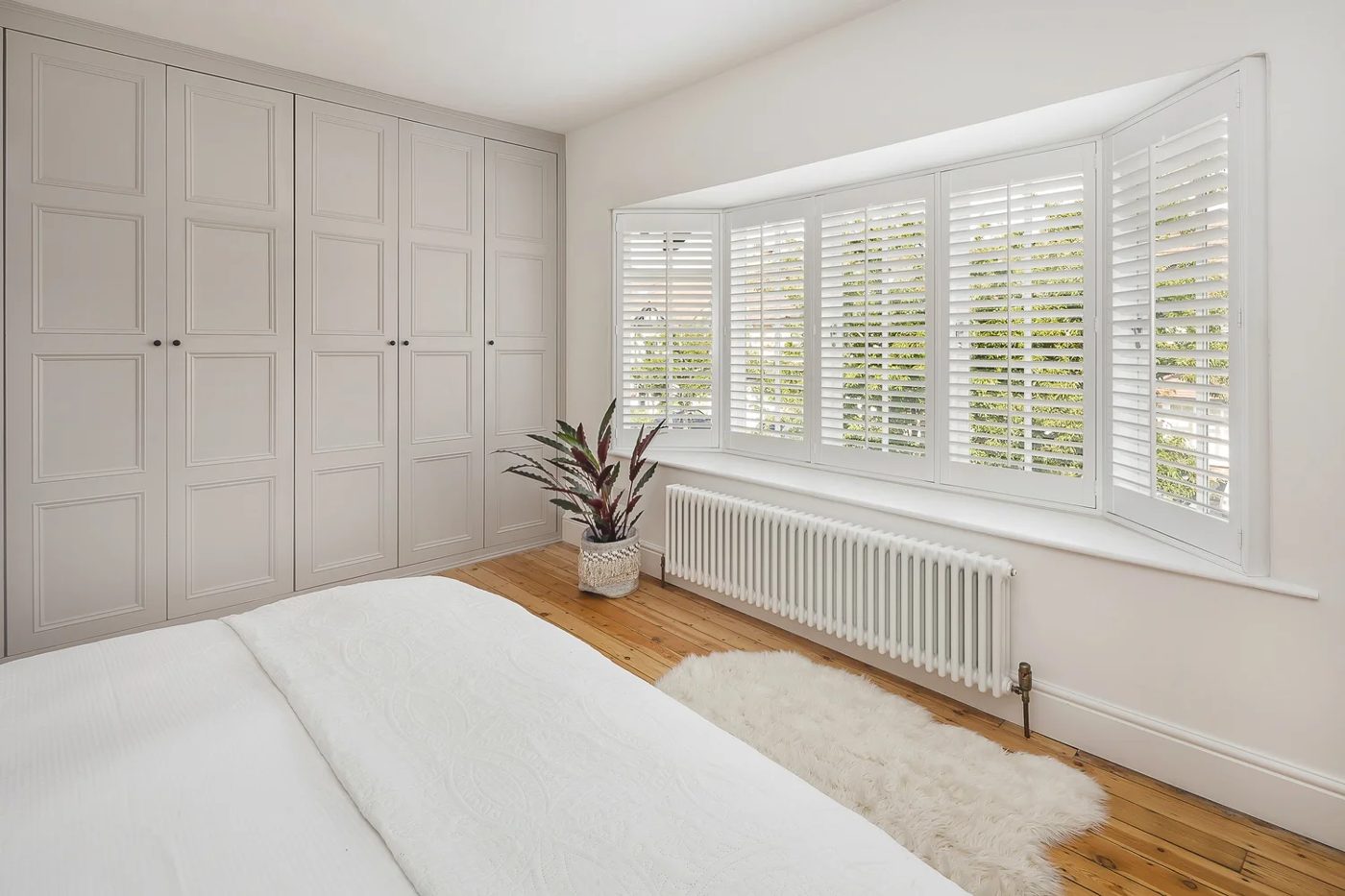
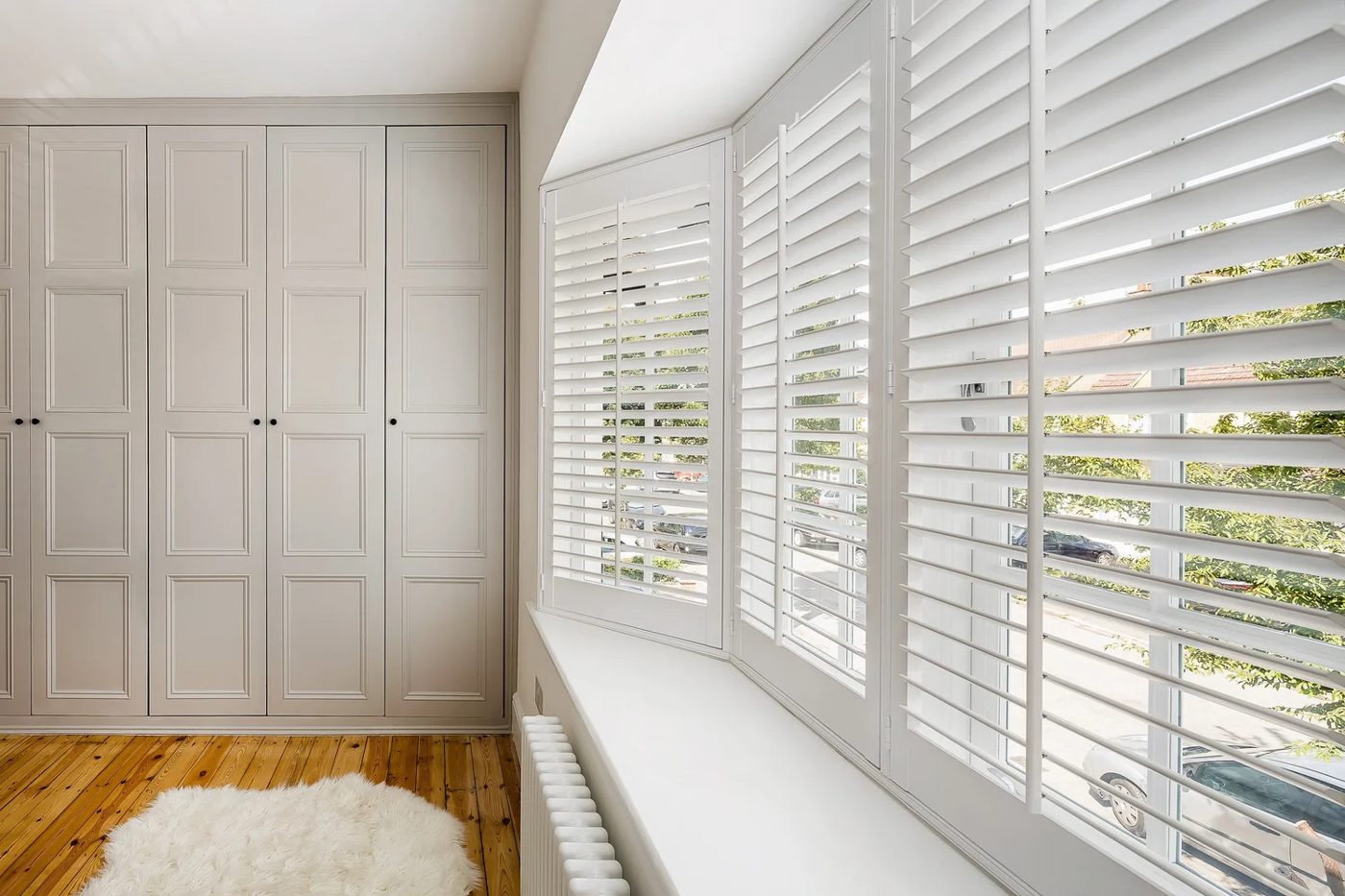
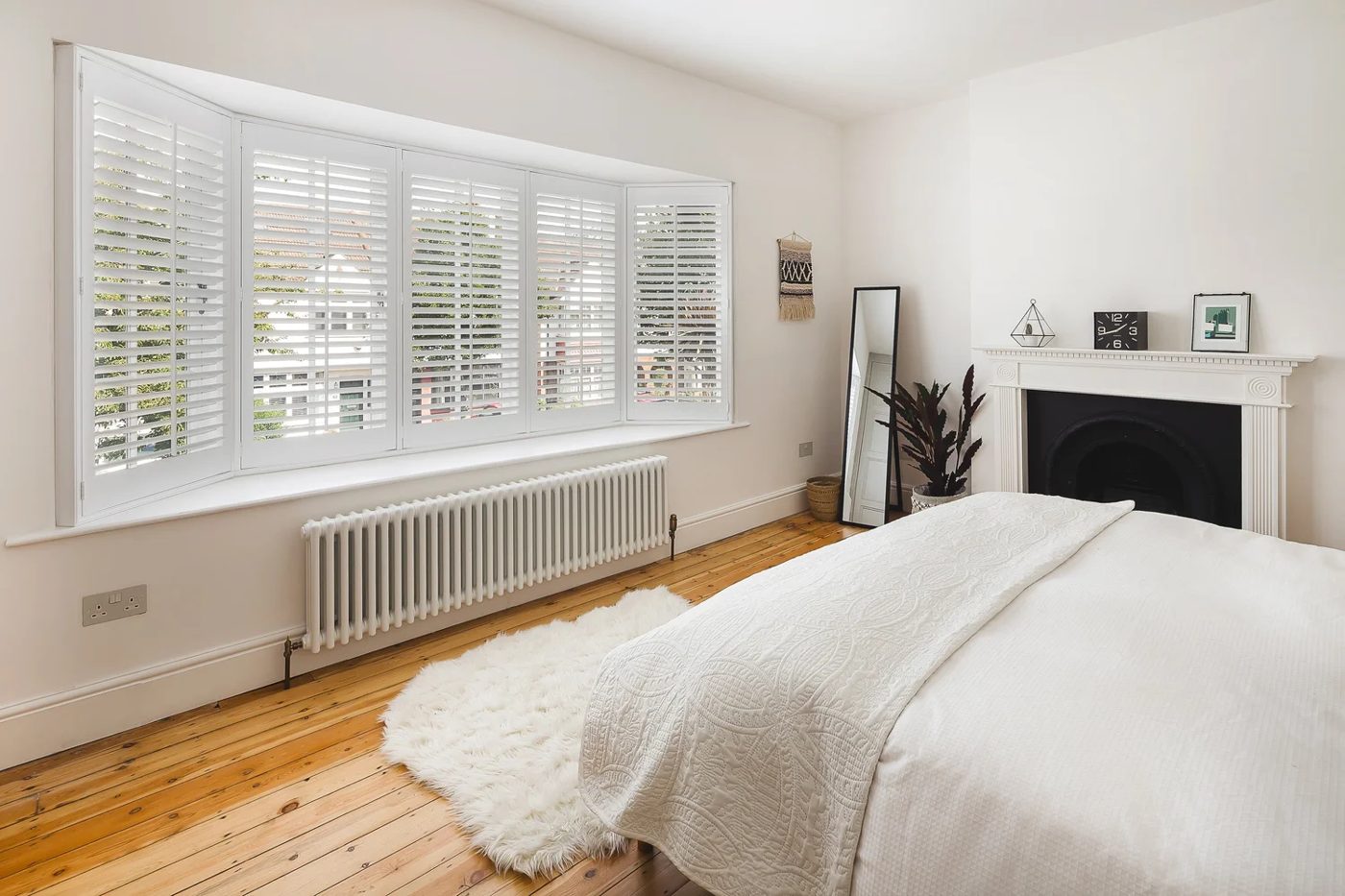

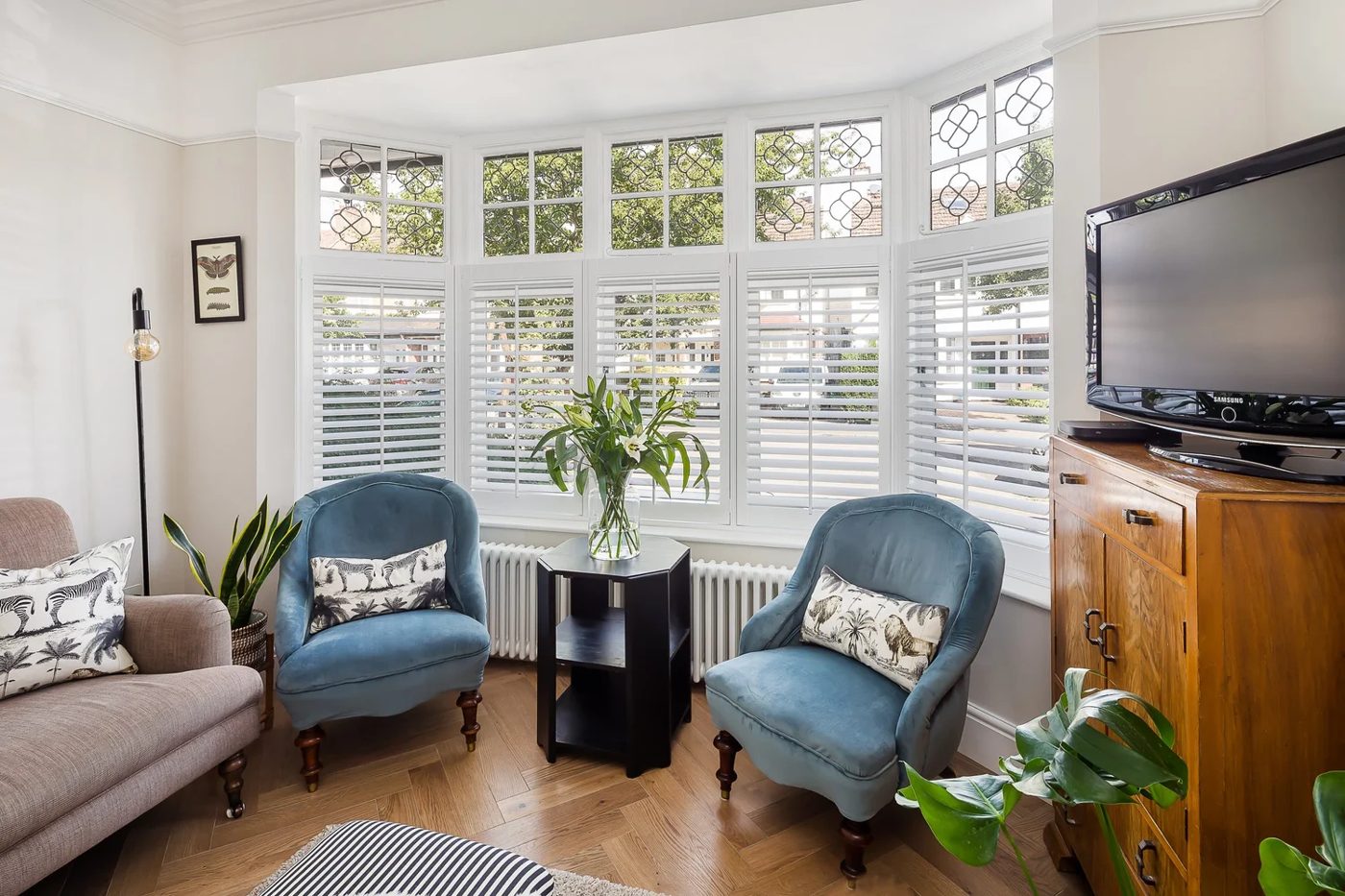



Questions we get asked
Can you work alongside our selling agent?
Yes. We build the digital assets and demand, your agent closes. The two work best together, and we are used to slotting into that arrangement.
Do you photograph developments in phases?
Yes. Progress photography and film across the build, so your marketing keeps pace with the scheme instead of relying on launch-day CGIs.
When should scheme marketing start?
Earlier than most developers think, ideally around the time the hoarding goes up. The people walking past are the first audience the scheme will ever have, and search authority takes months rather than weeks to build.
Is a scheme website worth it for a small development?
Often more so. The searches around a named scheme and its street are almost entirely uncontested, so even a small site can own them, and the cost is trivial next to a month of finance.
What happens to the site once the scheme is sold out?
Keep it live with the finished photography in place of the renderings. It goes on serving resale enquiries and becomes the evidence that sells the next scheme.
Let’s talk growth
Book a discovery call and we’ll tell you honestly where your biggest, fastest wins are. No hard sell, no jargon.