
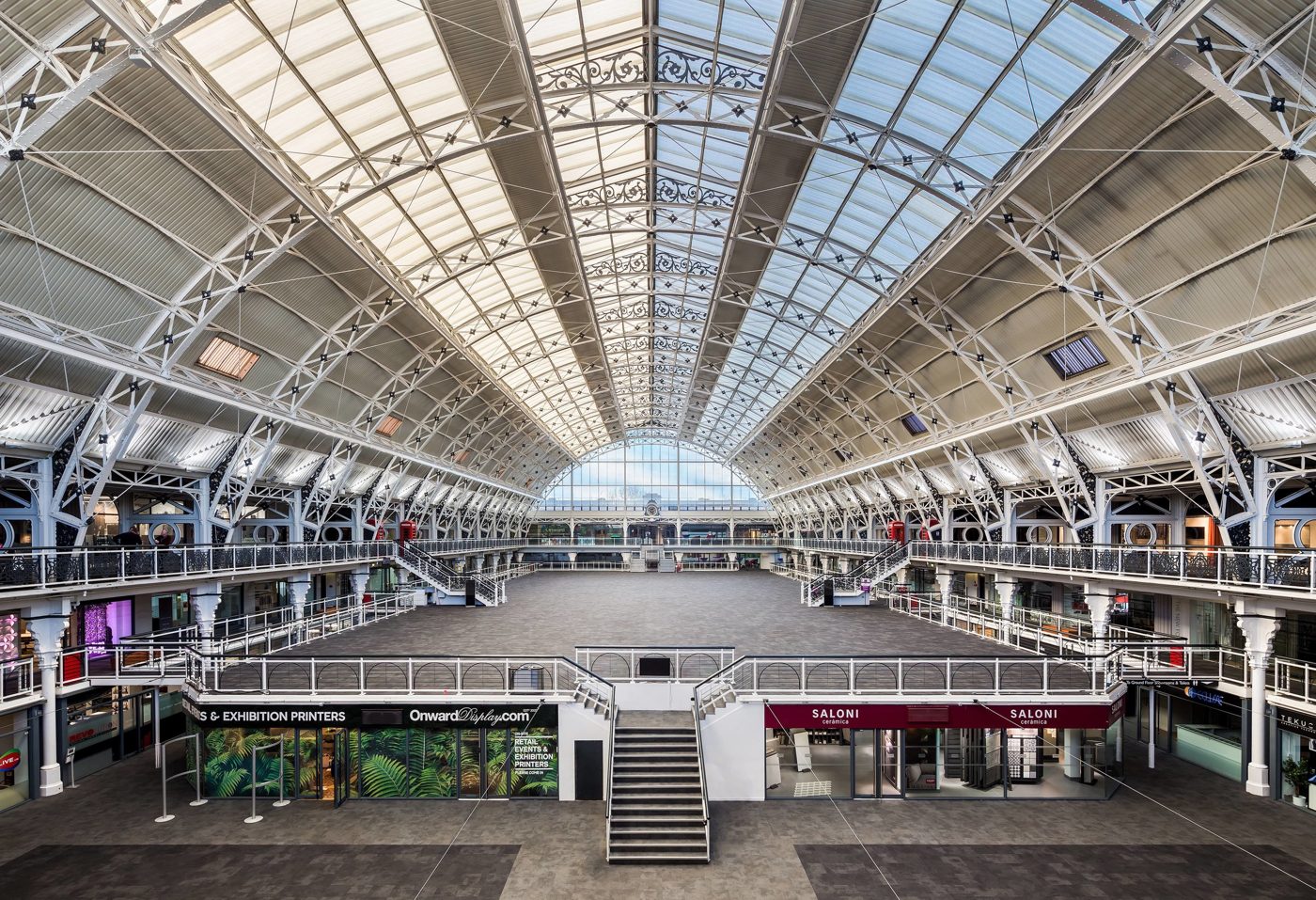
Marketing agency for commercial property
Fill the space. Marketing that gets offices, workspace and commercial schemes seen and let.
An empty floor is a cost. A well-marketed one is a pipeline of viewings. Whether you are a landlord, an agency or a workspace operator, the tenants you want are searching online, comparing spaces on their screens and shortlisting before they ever enquire. Cornerstone builds the presence that gets your space on that shortlist.
The occupier is also making a decision about people rather than about square footage. Will the team come in? Is the commute tolerable? Is there anywhere to eat? Does it say something true about us? Rent and floor area are constraints on the decision, not the reasons behind it, and almost nothing in a set of particulars speaks to any of them.
The commercial property challenge
Commercial lettings still lean on particulars PDFs and portal listings that make every space look the same. But an occupier choosing a home for their business is buying atmosphere, location and possibility, none of which survive a floorplan and four dim photos. The spaces that let fastest are the ones that are presented like places people want to work.
What an occupier is also weighing, quietly, is whether the landlord will be reasonable to deal with. A listing that is vague about service charge, unclear on lease terms and slow to answer an enquiry reads as a preview of the relationship. It is one of the few marketing problems in this sector that costs nothing at all to fix and is almost universally ignored.
How we help commercial property
Scheme and building websites
A proper digital home for your building: availability, specs, the neighbourhood story and an enquiry path that works.
Photography that lets the space
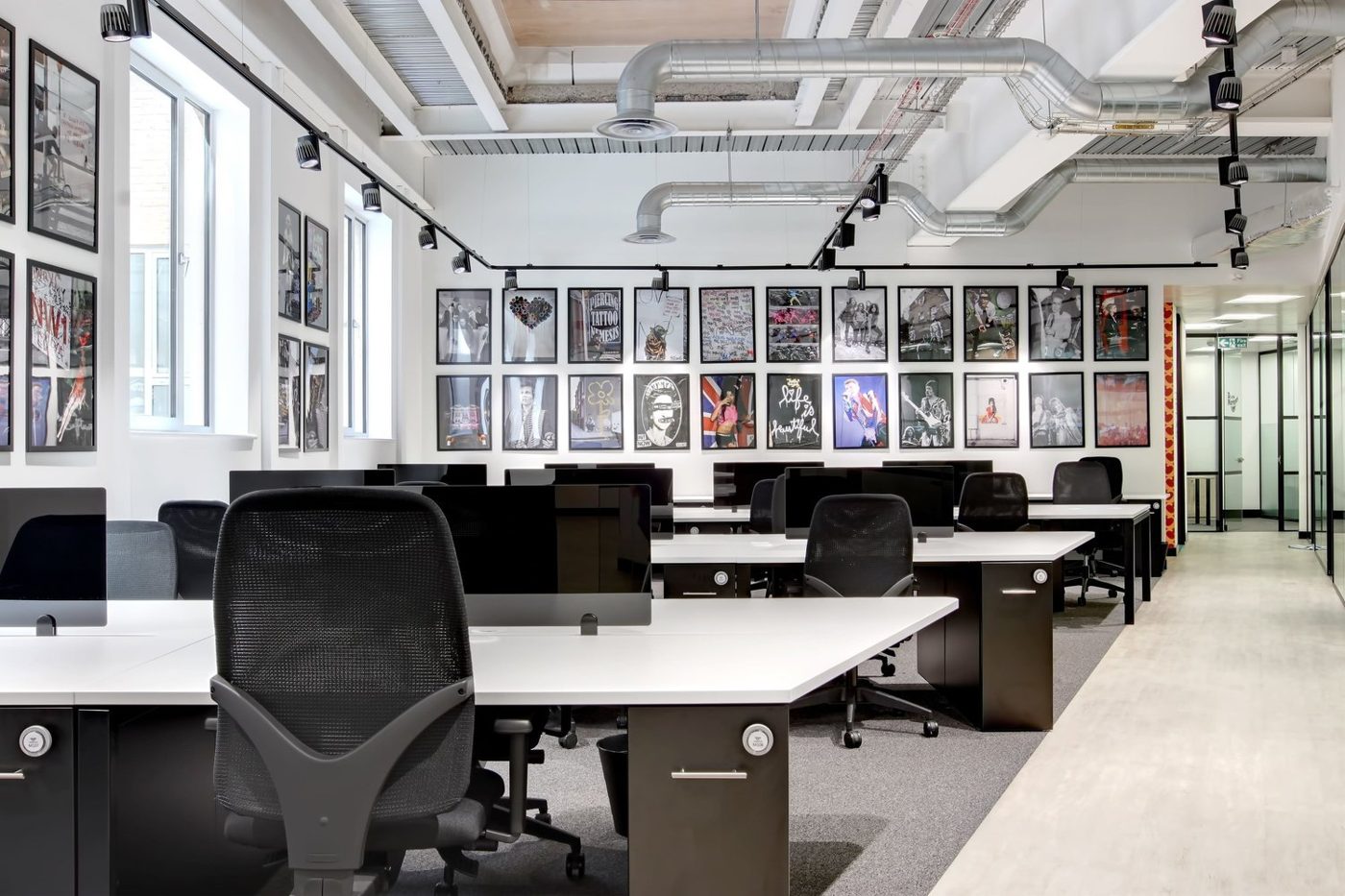
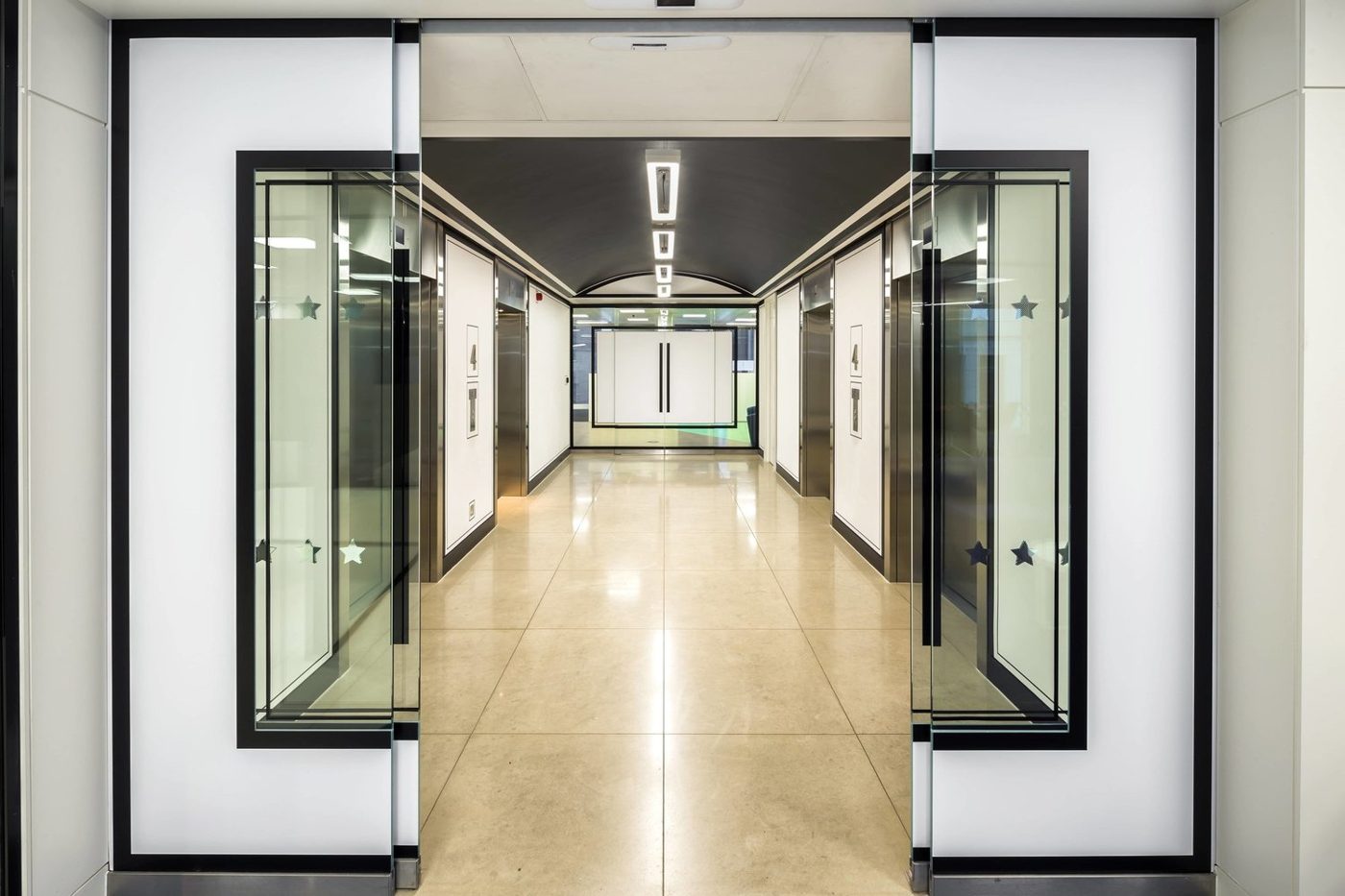
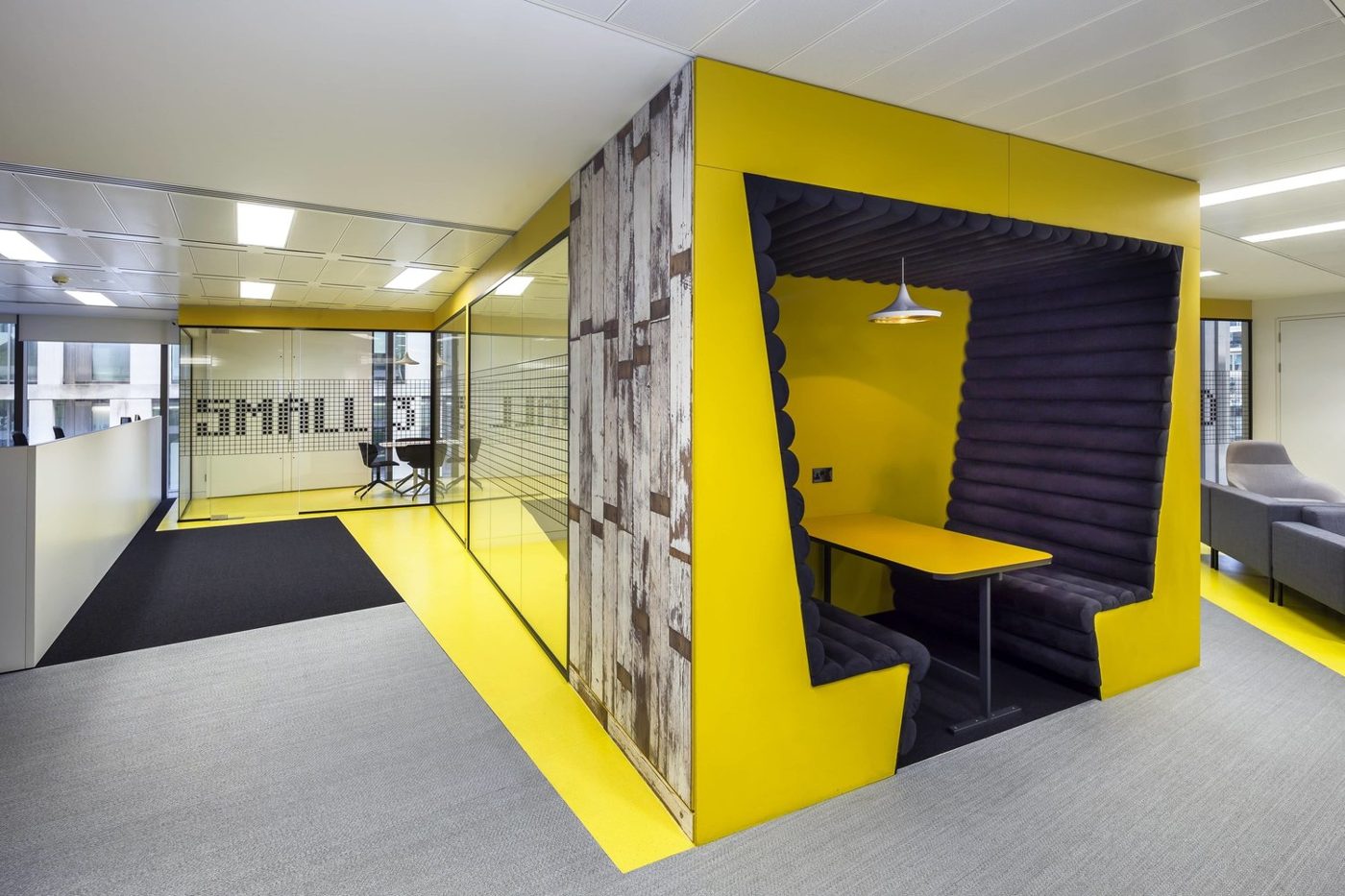
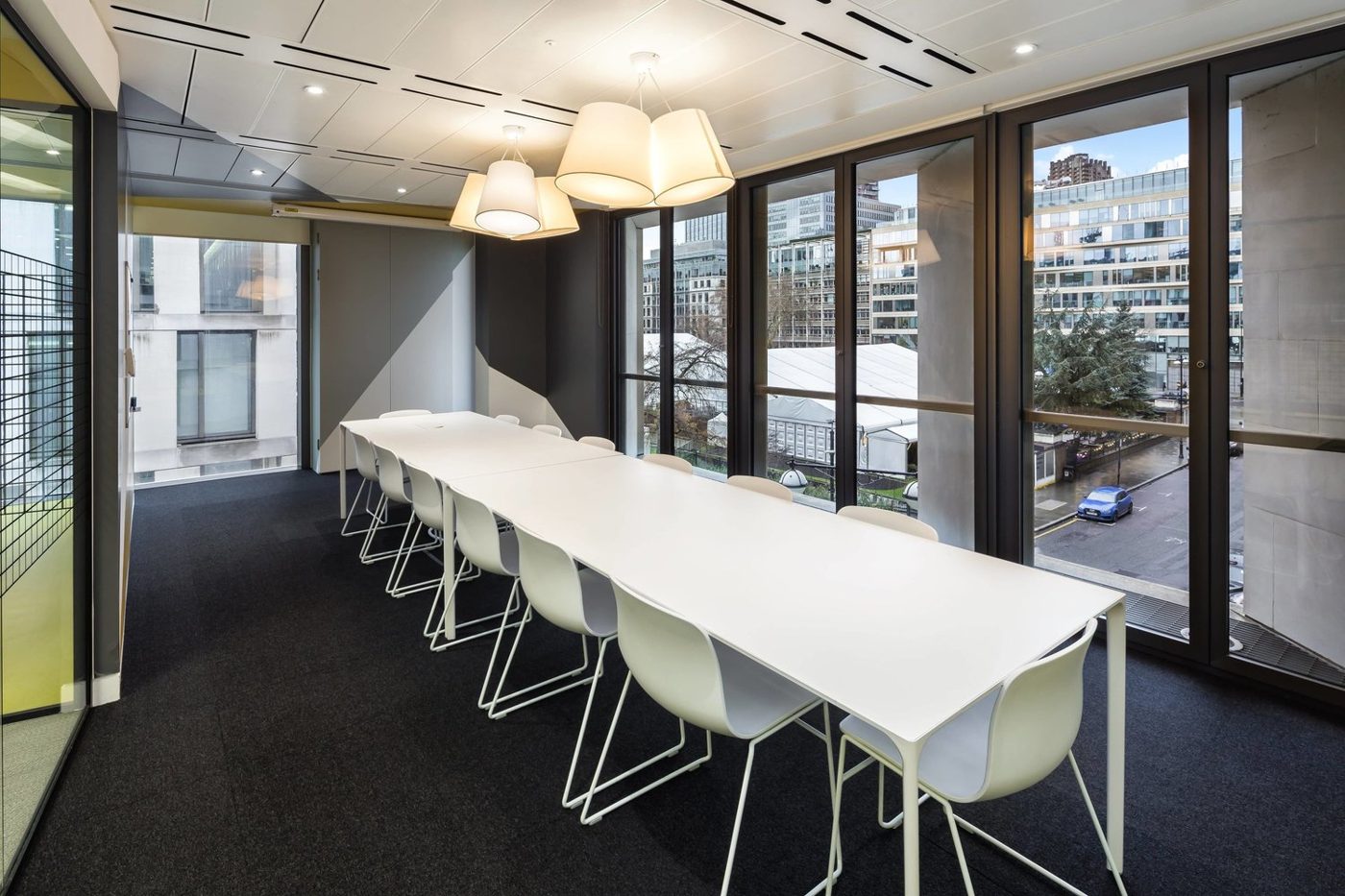
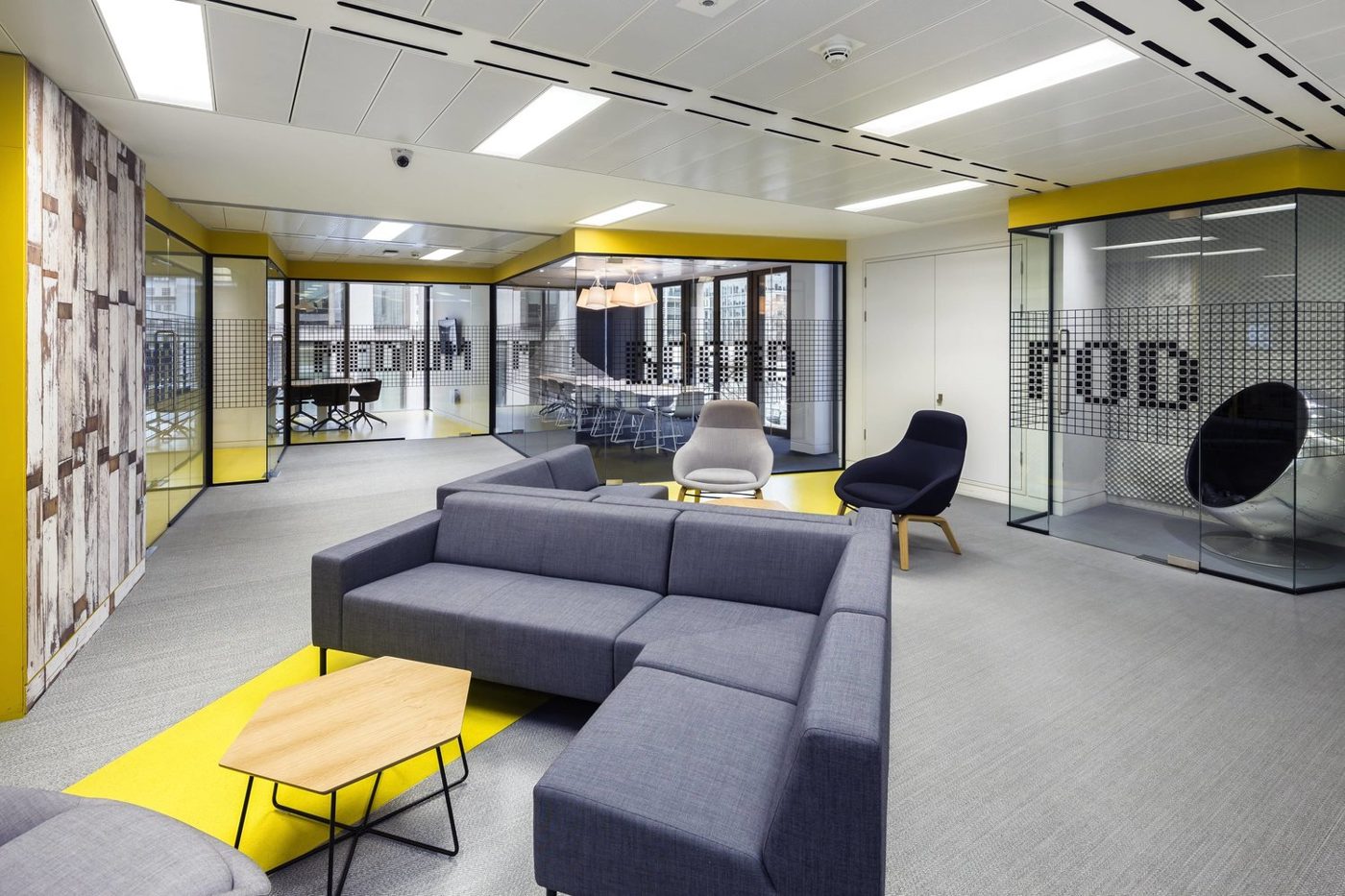
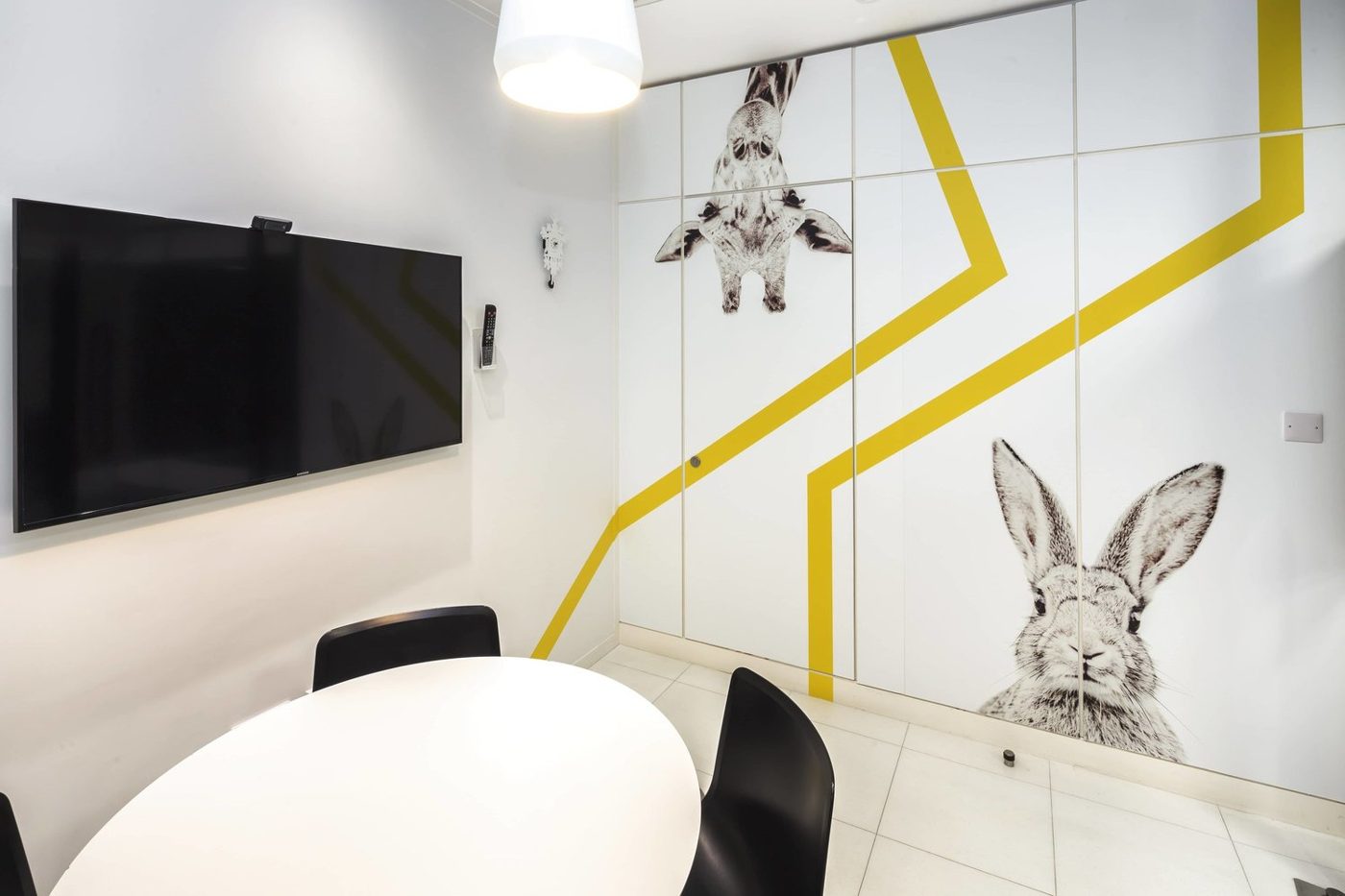
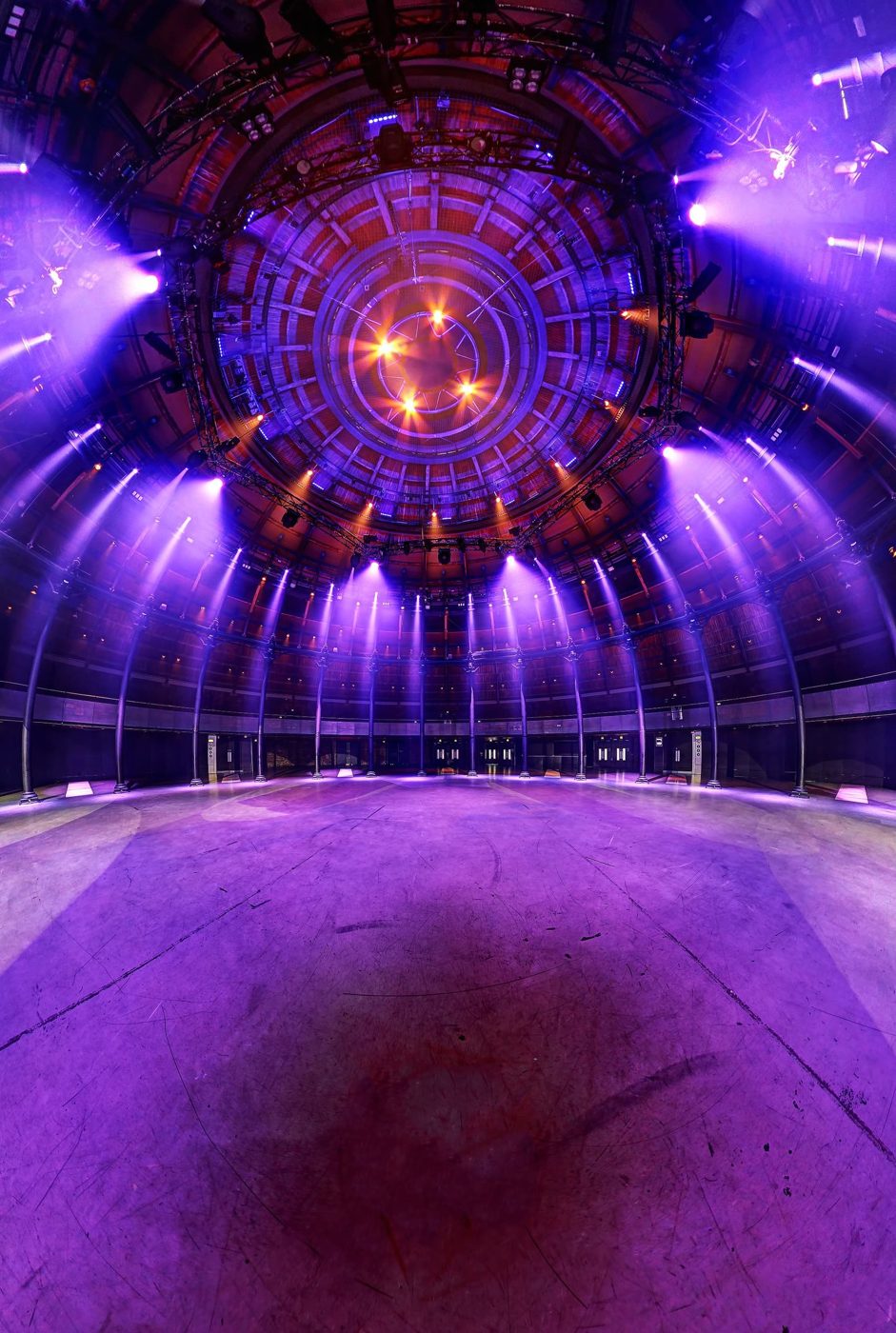
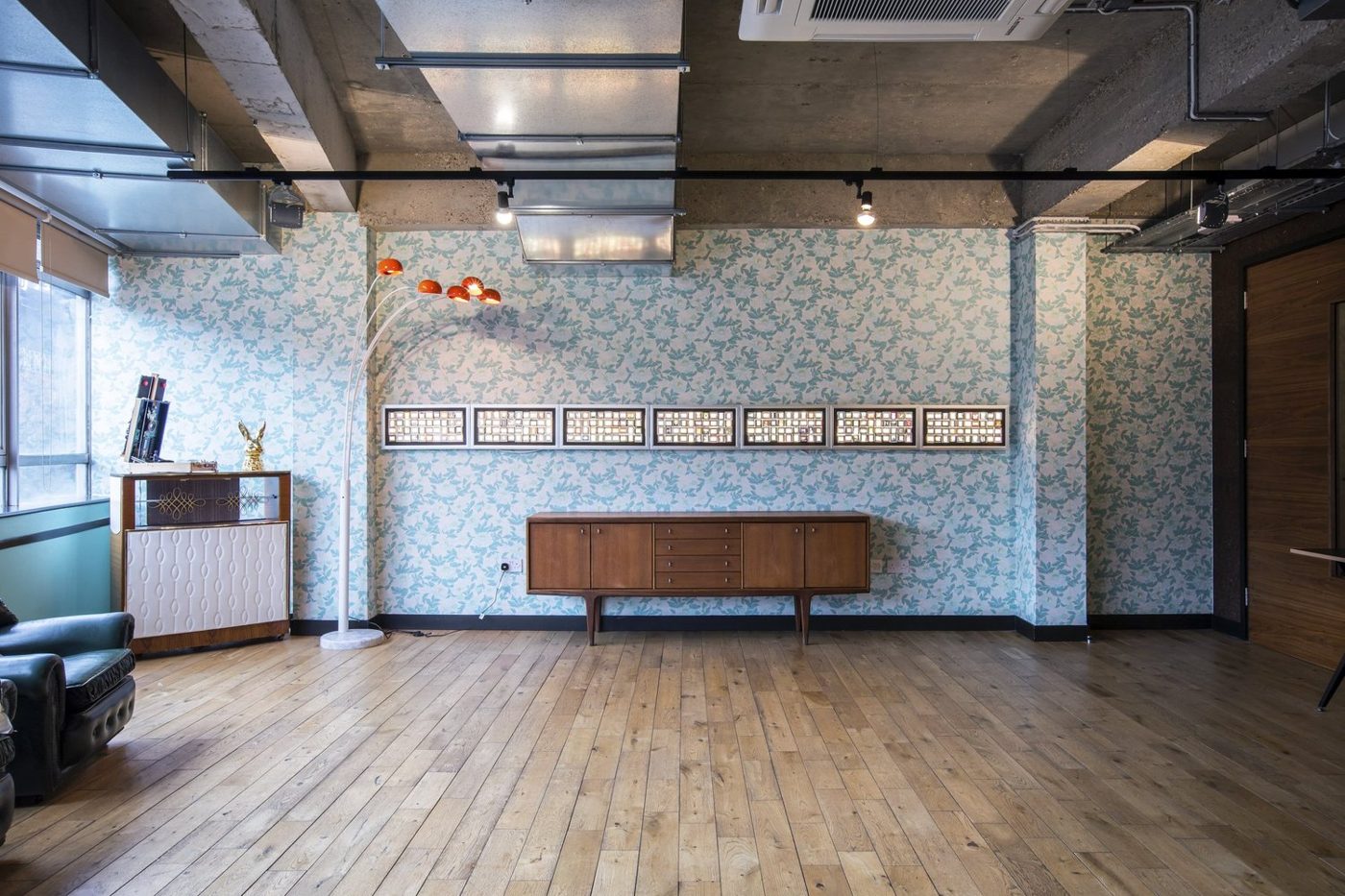
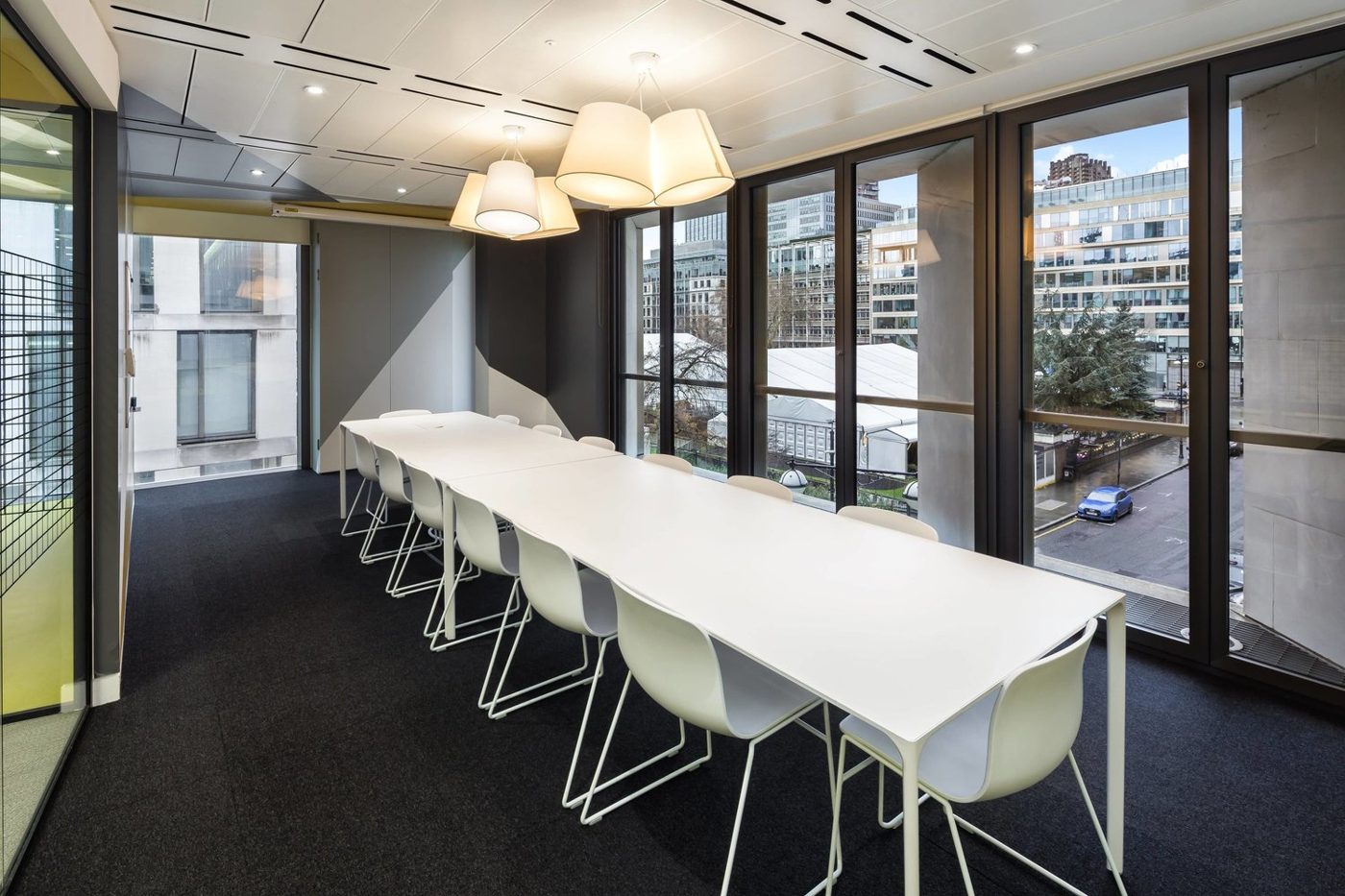
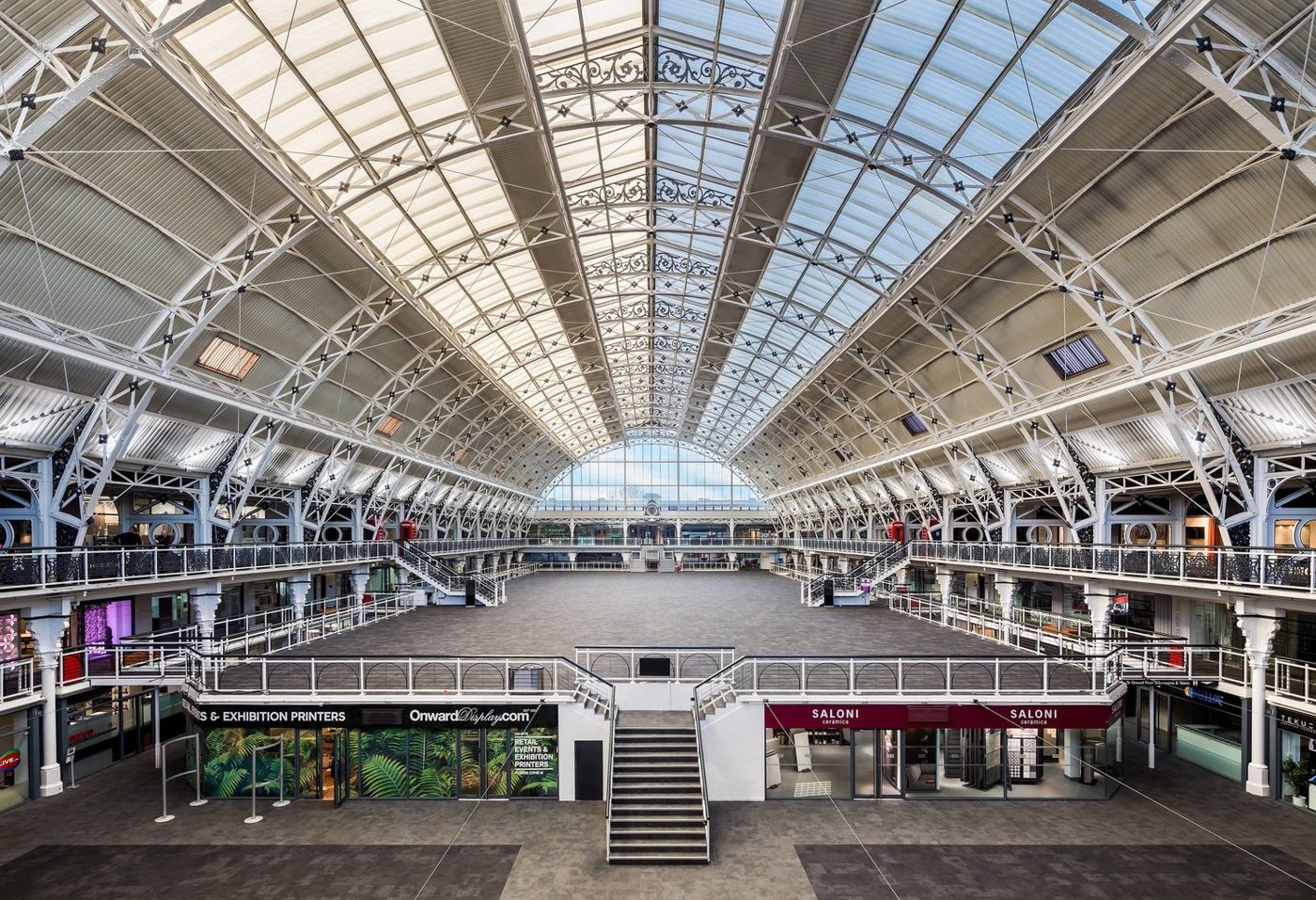
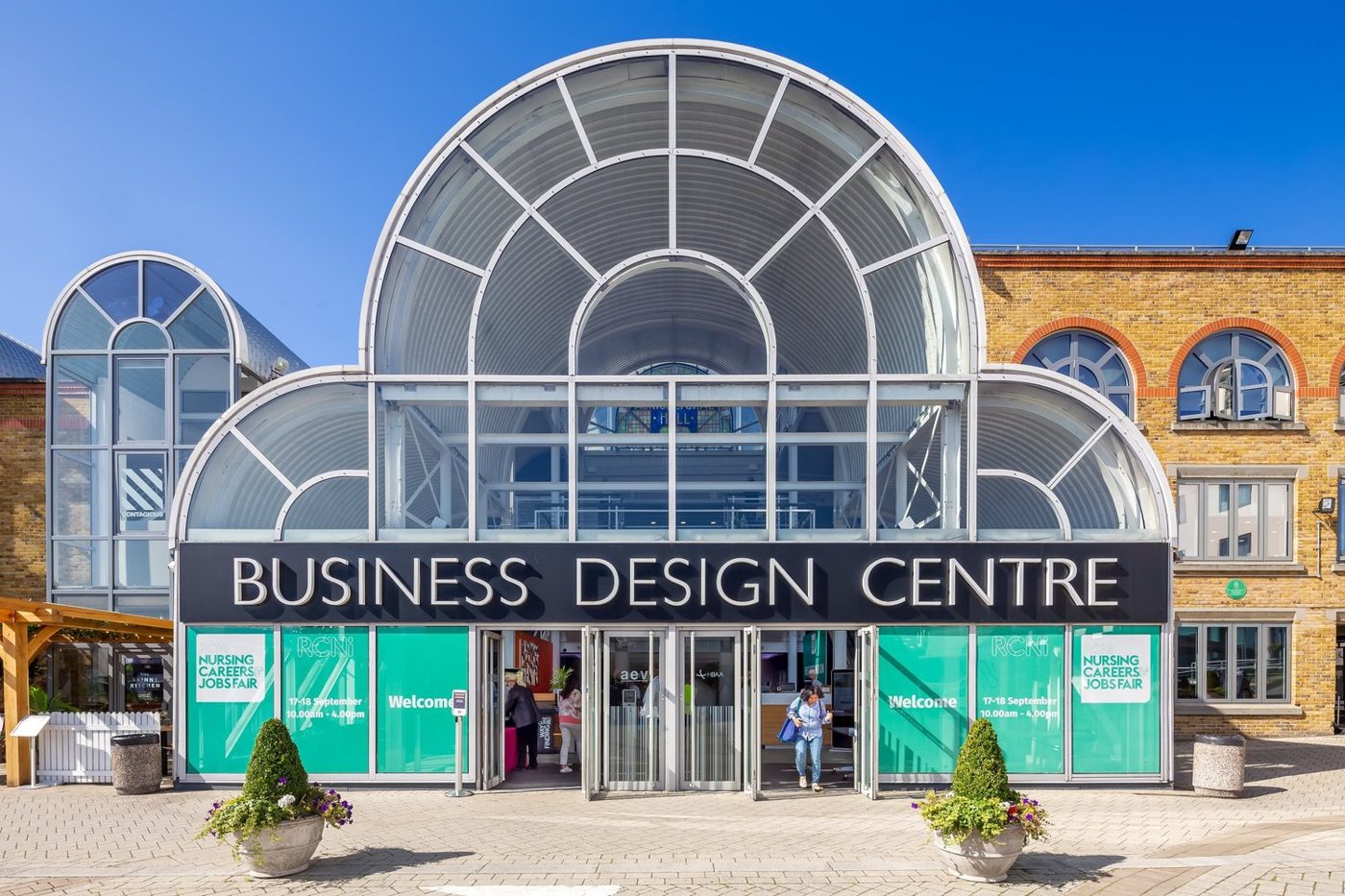
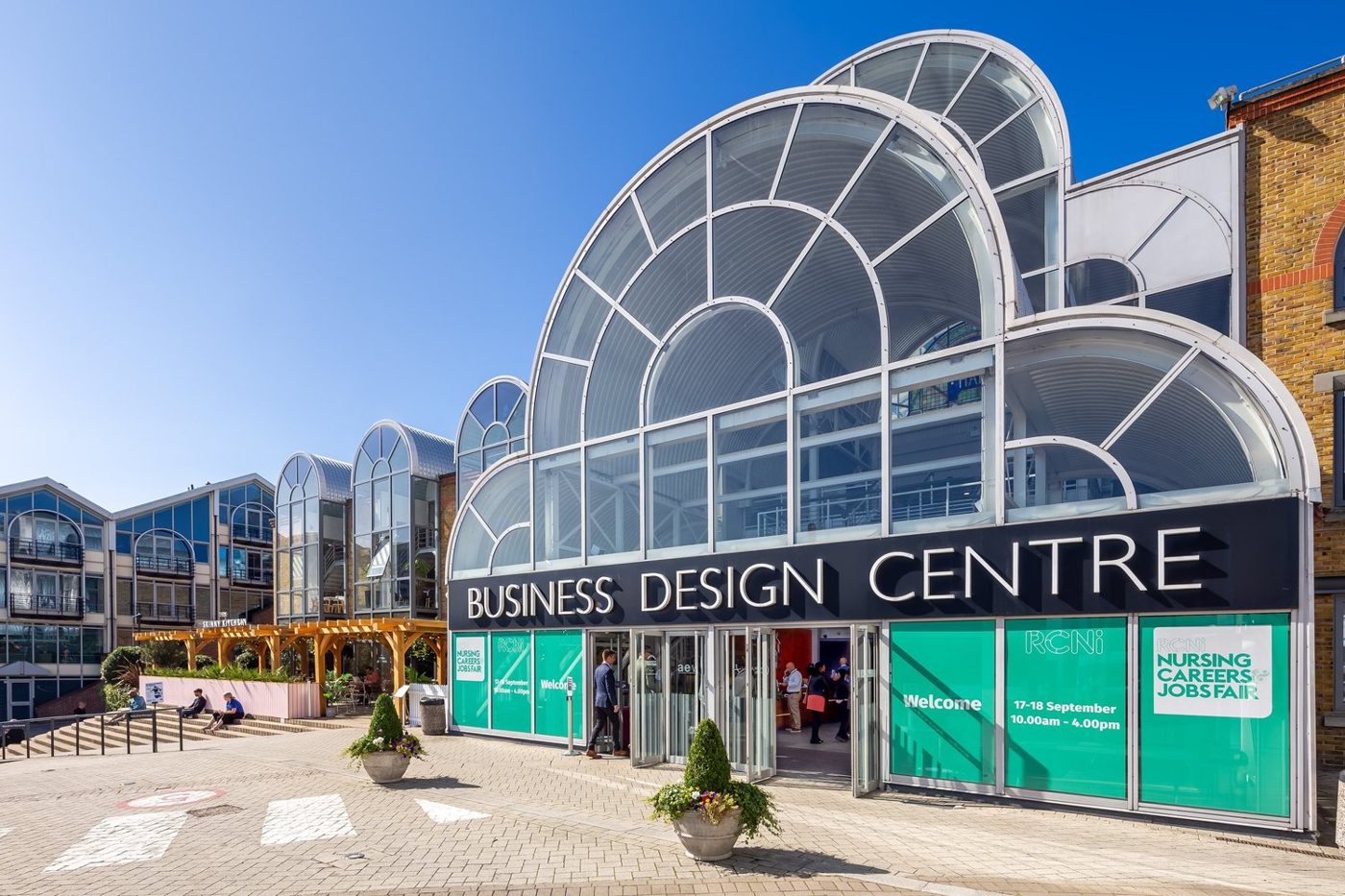
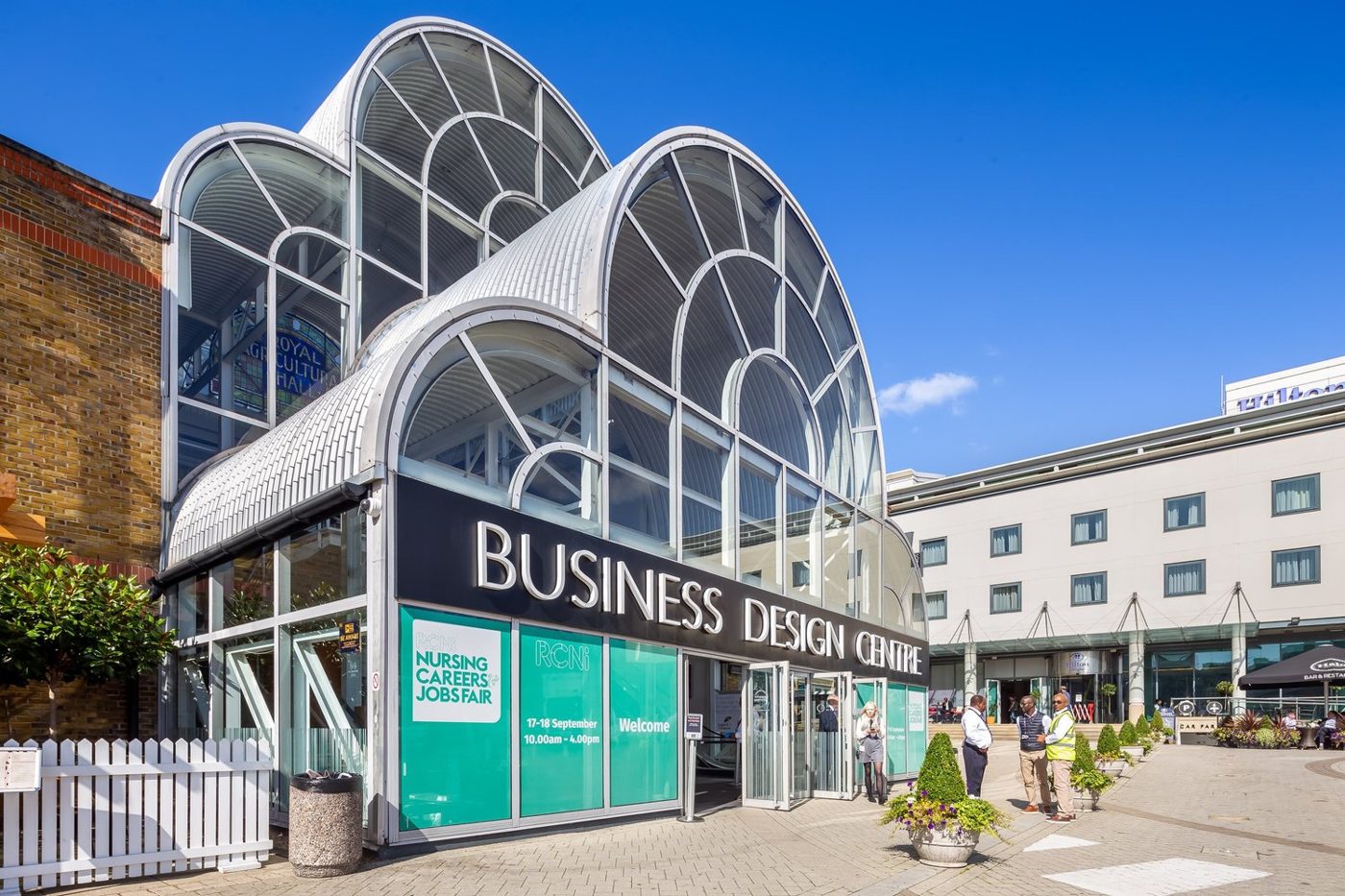
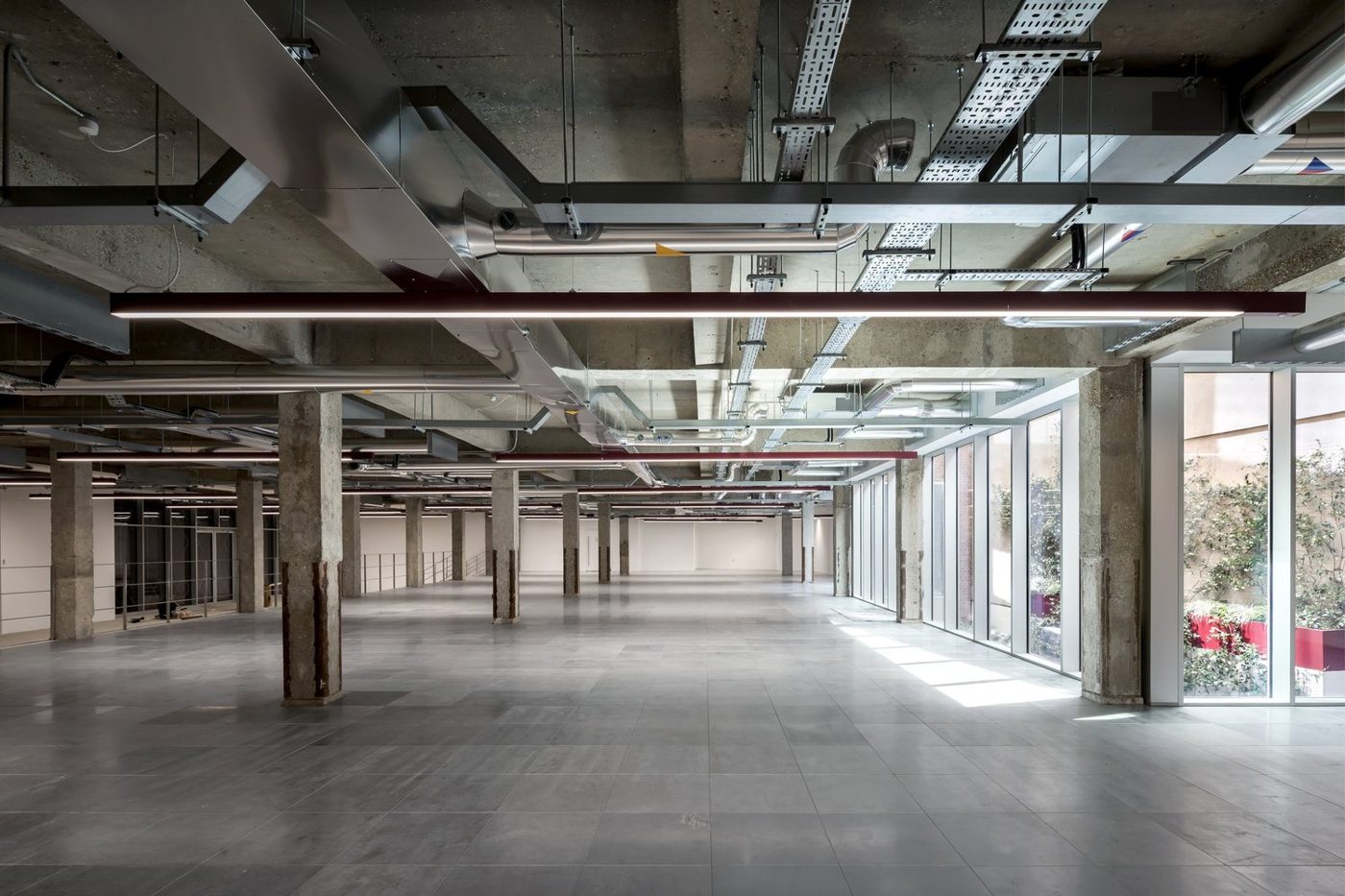
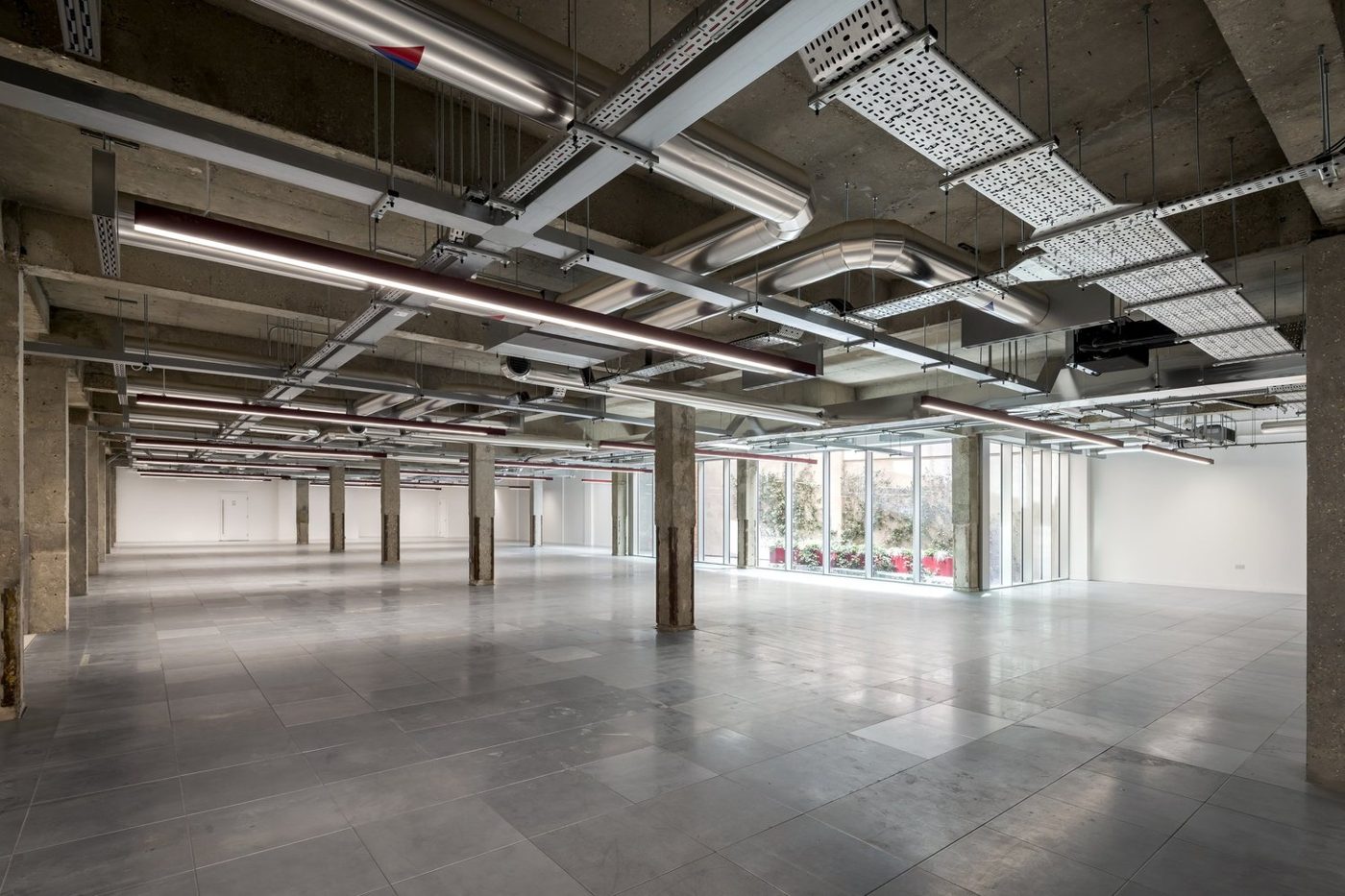
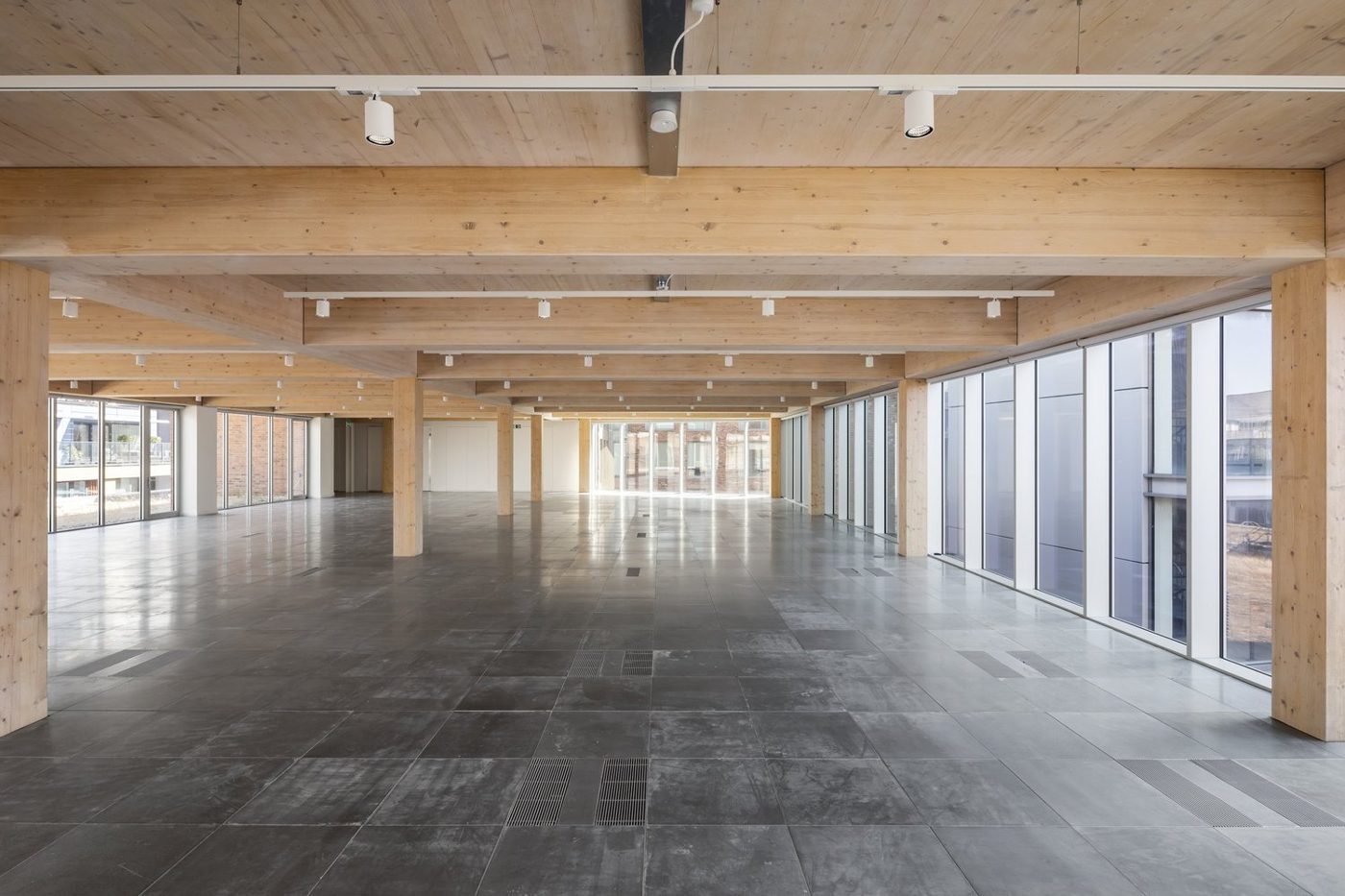
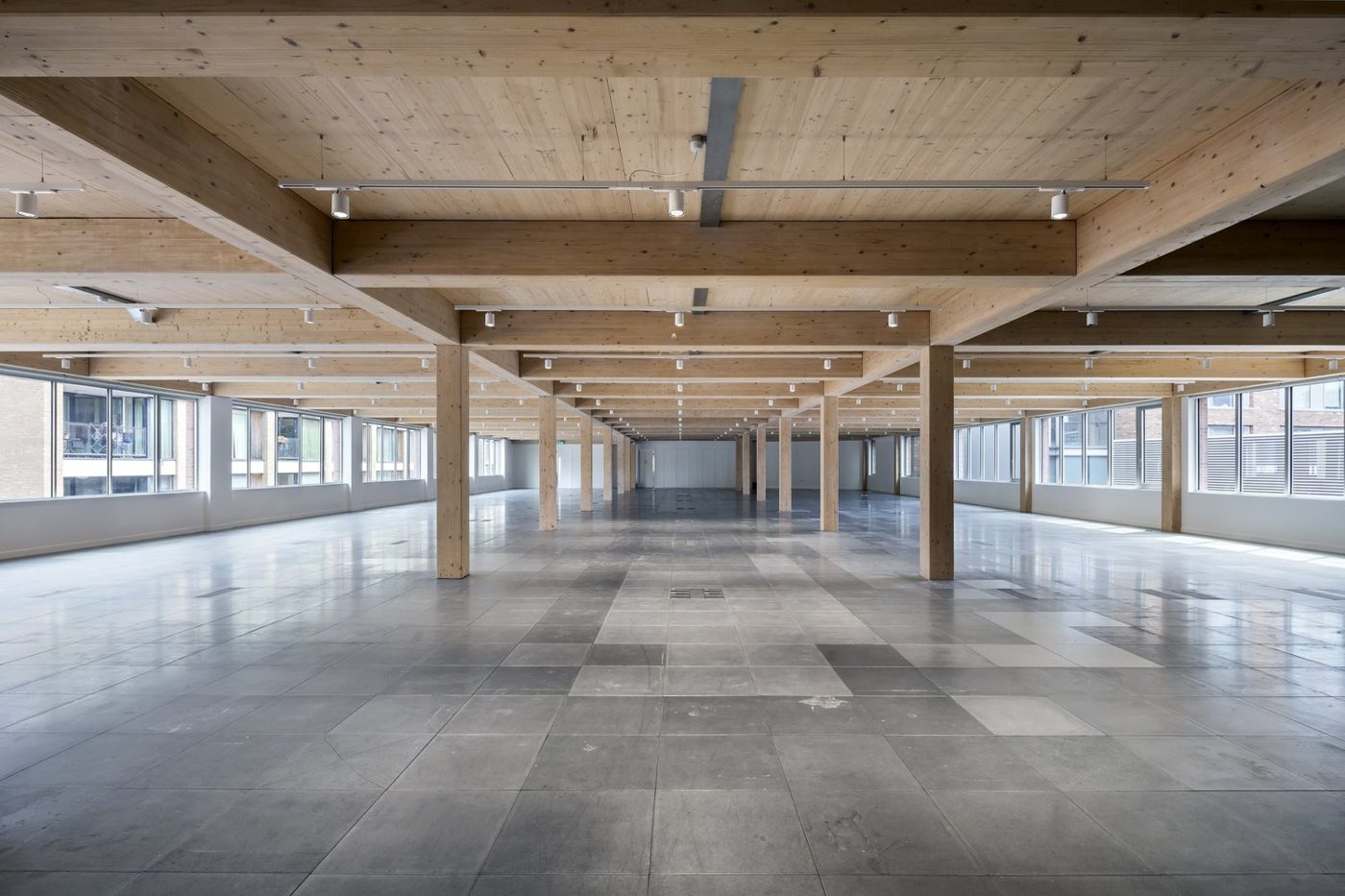
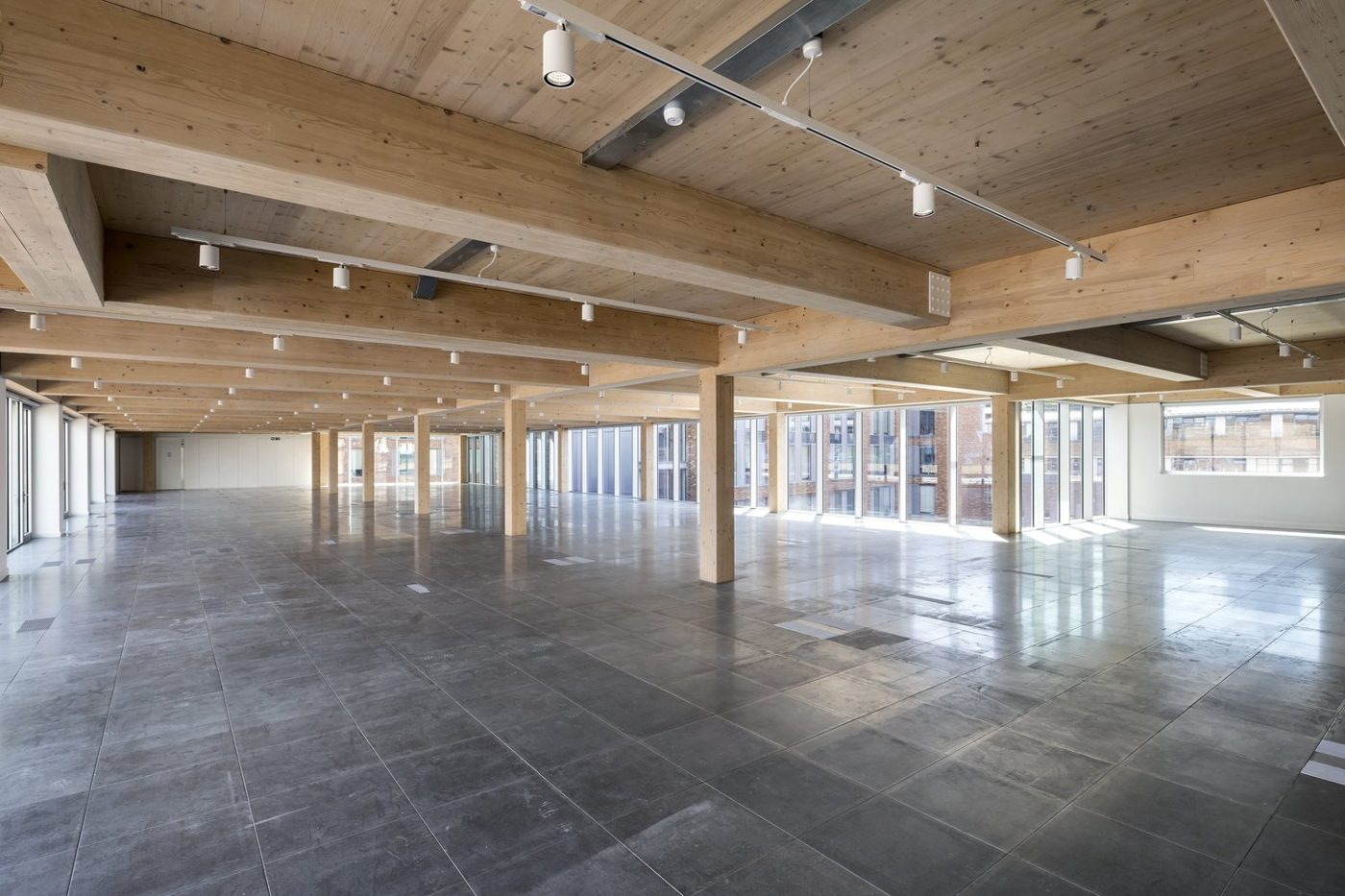
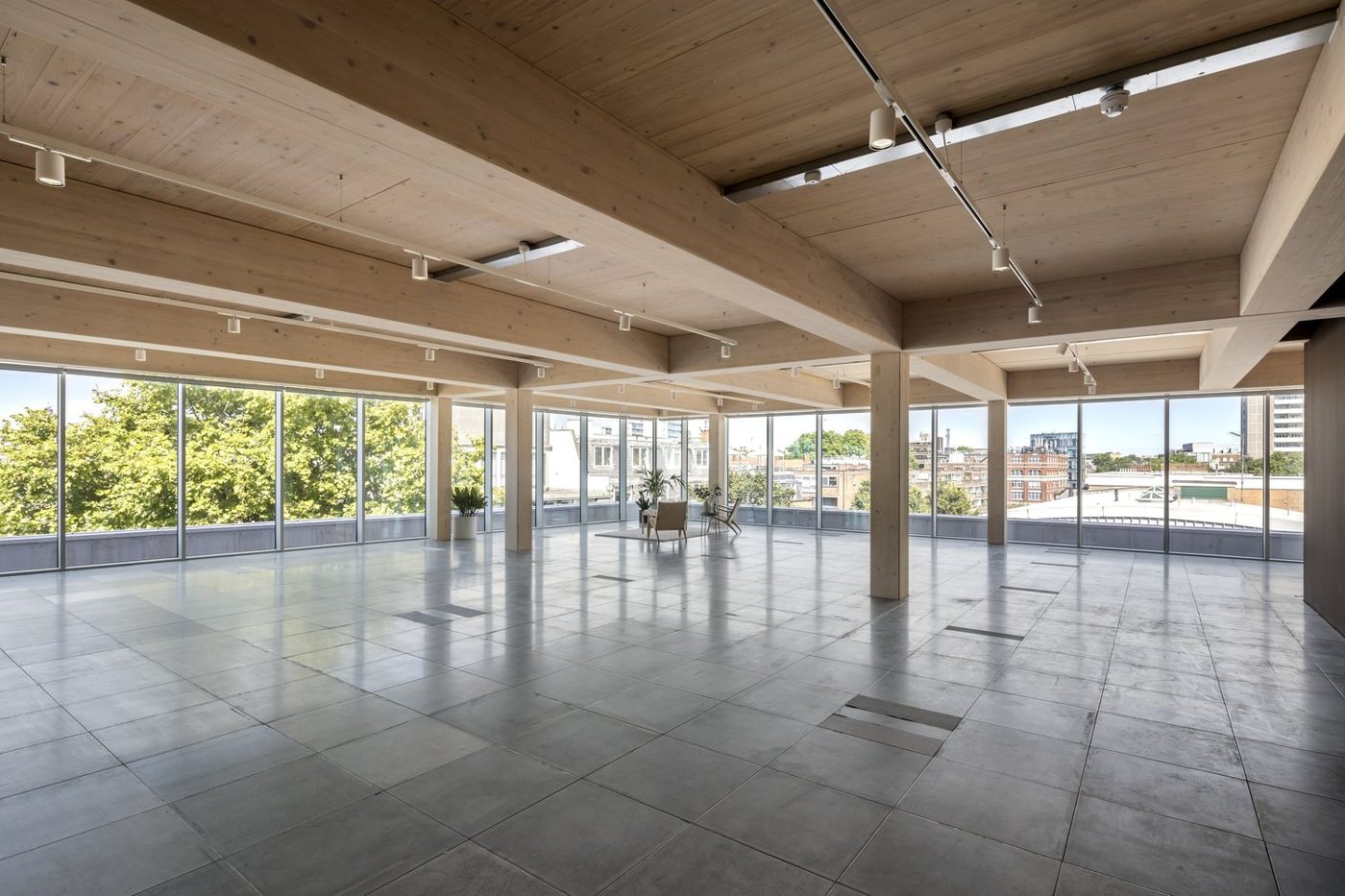
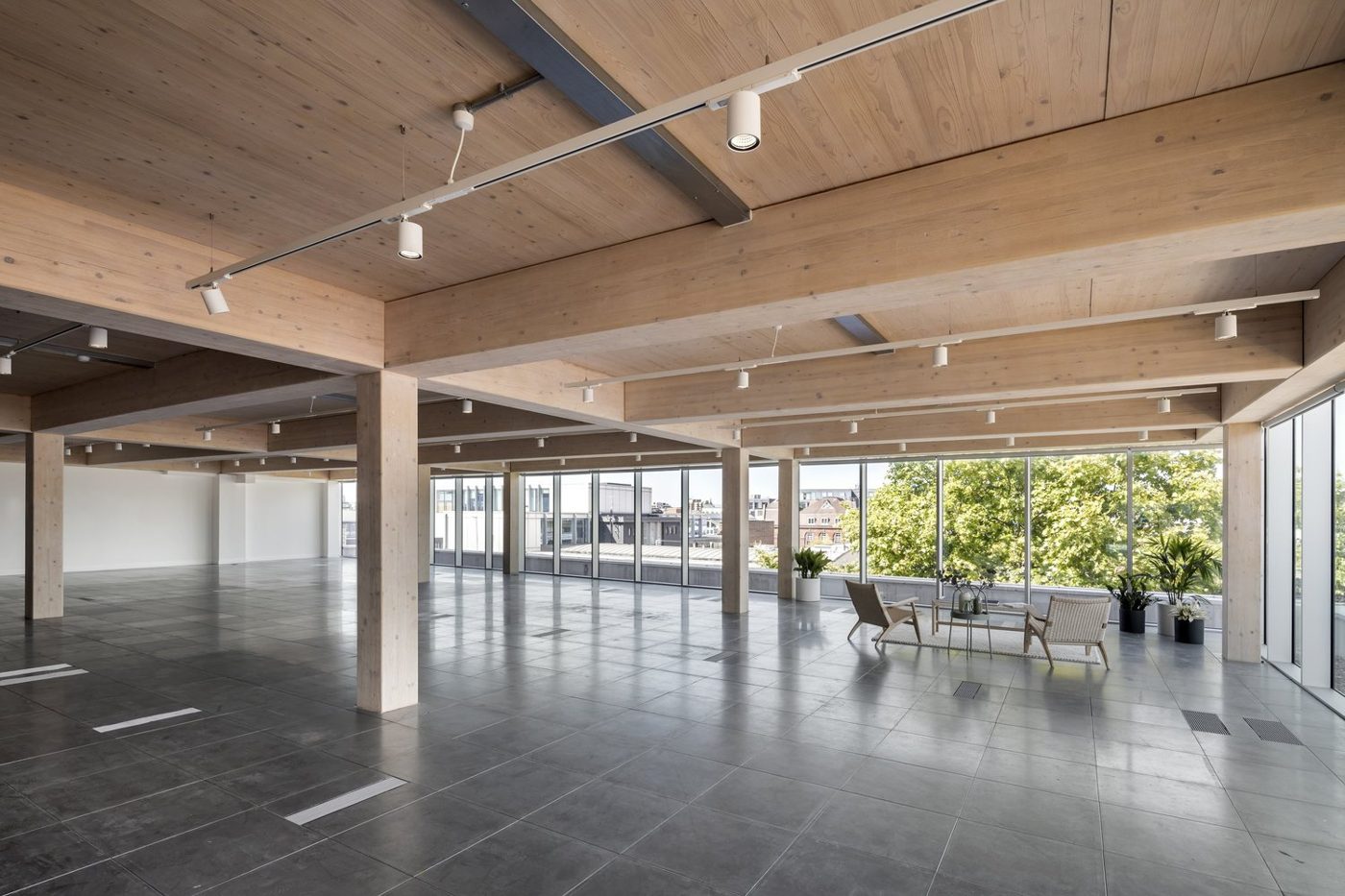
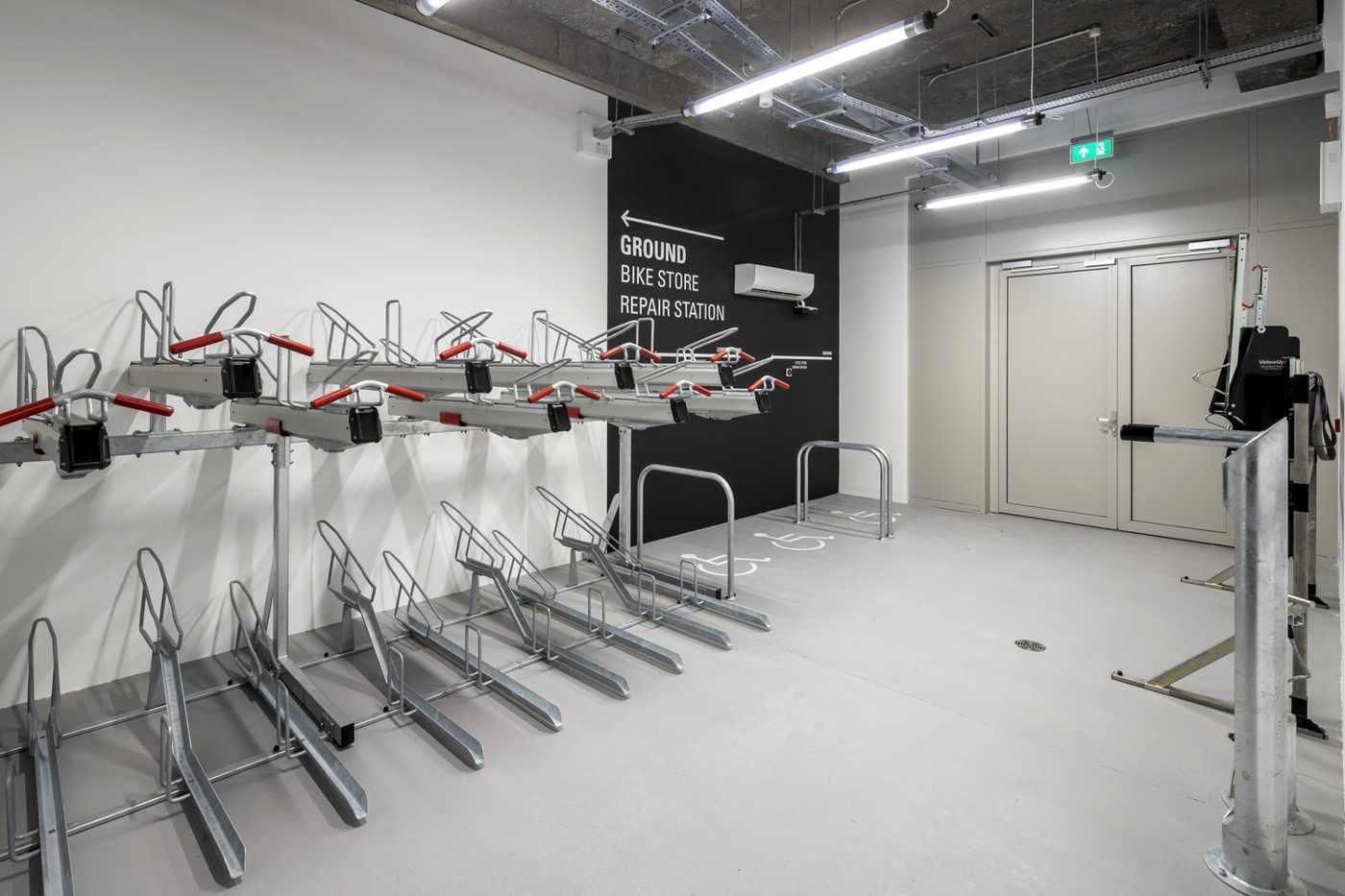
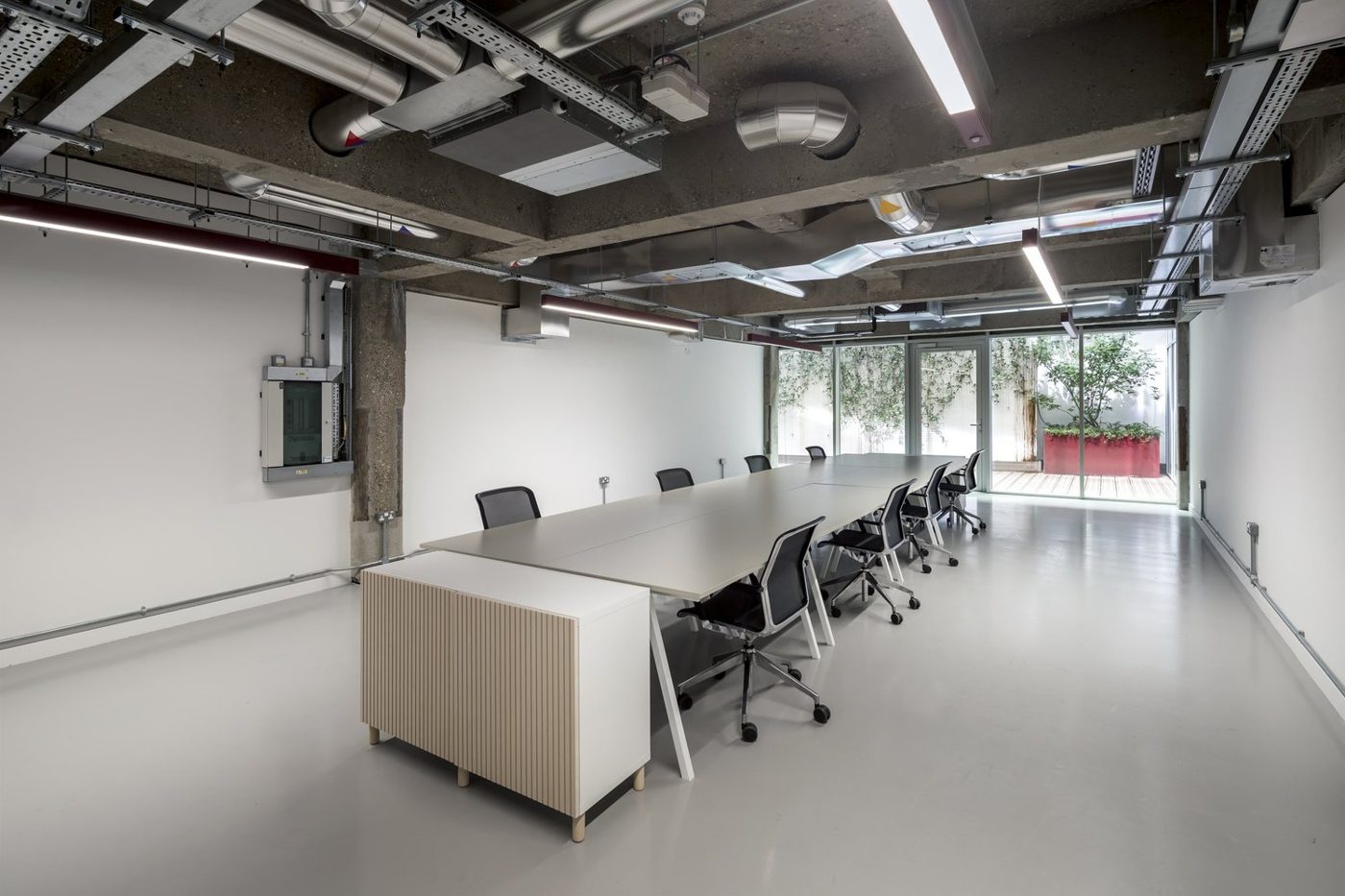
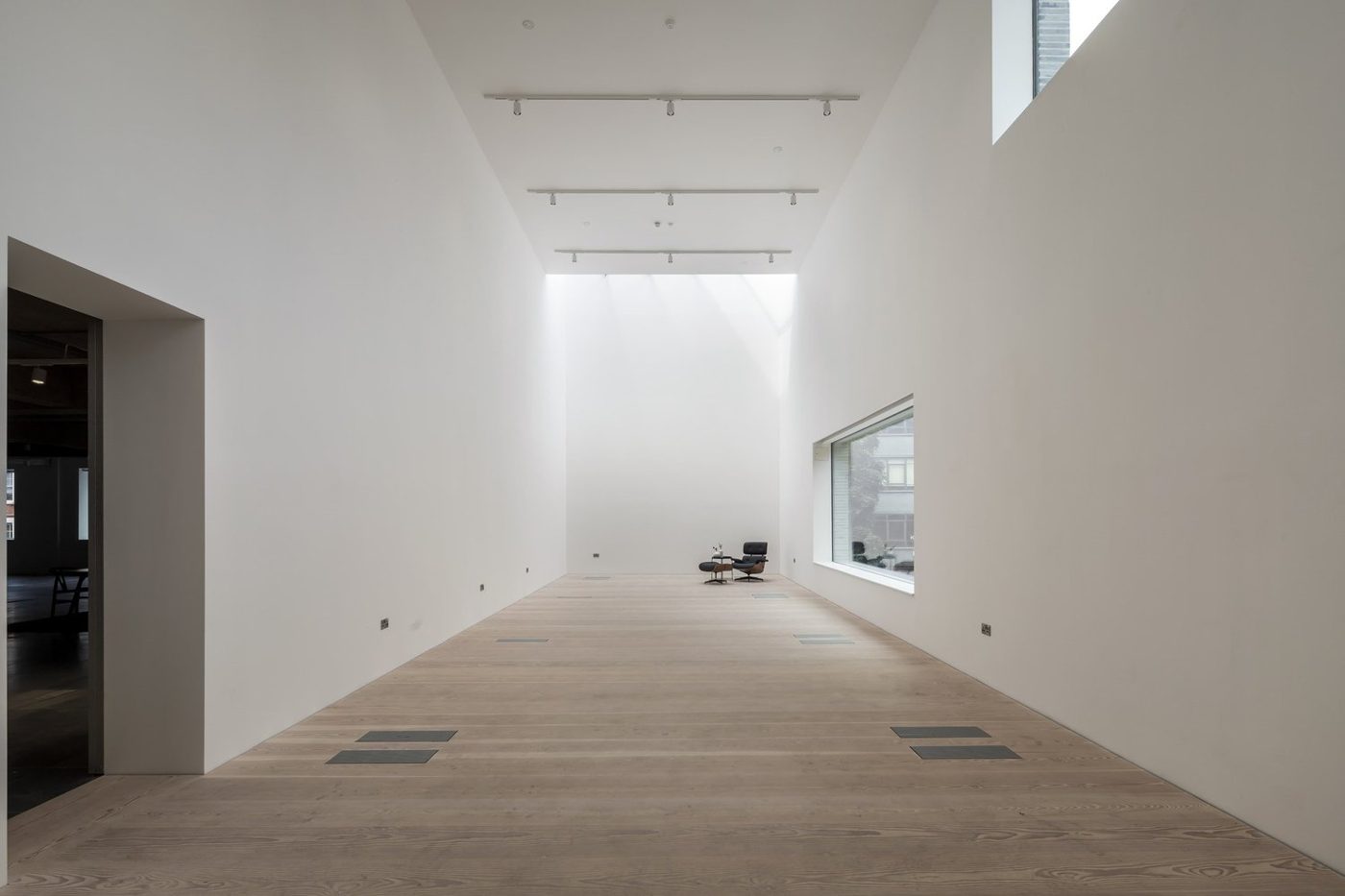
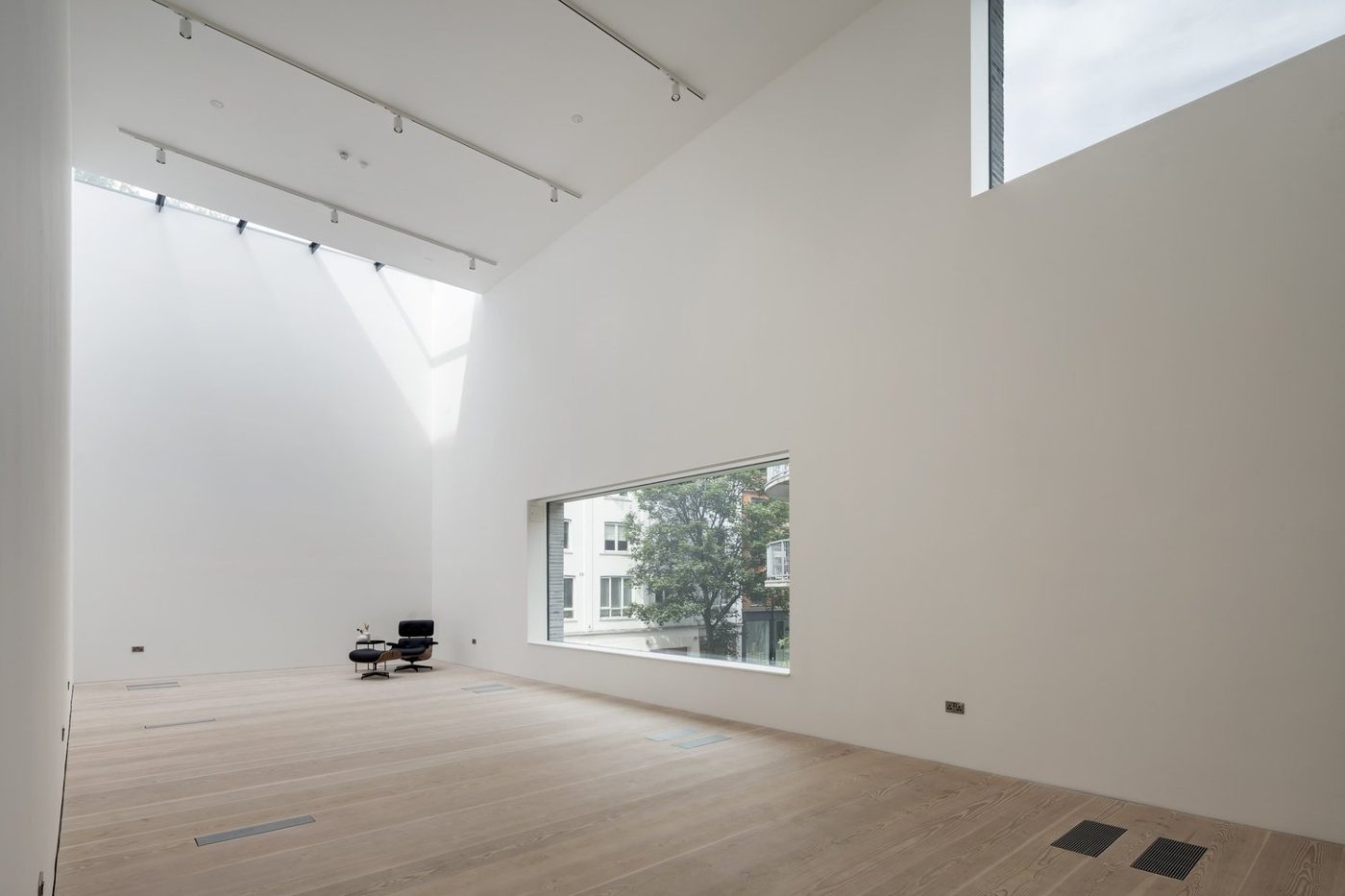
Interiors, exteriors and detail shot to make an occupier picture their team in the building.
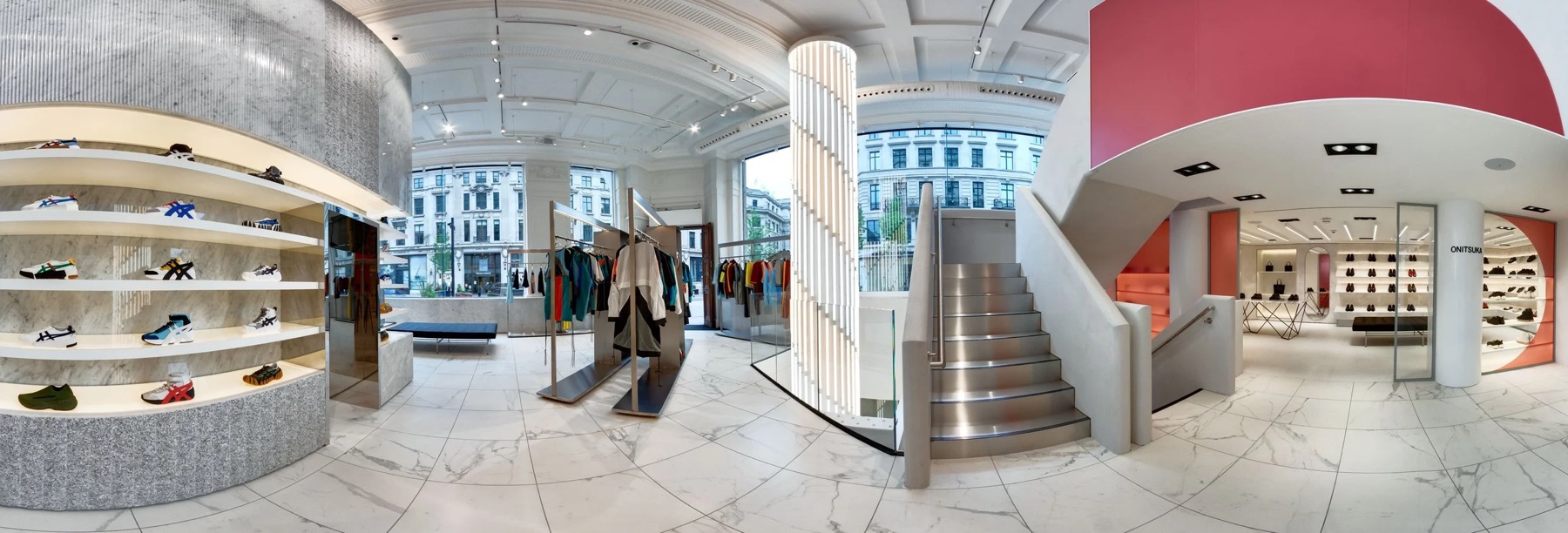
360 tours that pre-qualify
Let occupiers and their advisors walk the floor remotely, so the viewings you host are the serious ones.
Visibility where occupiers search
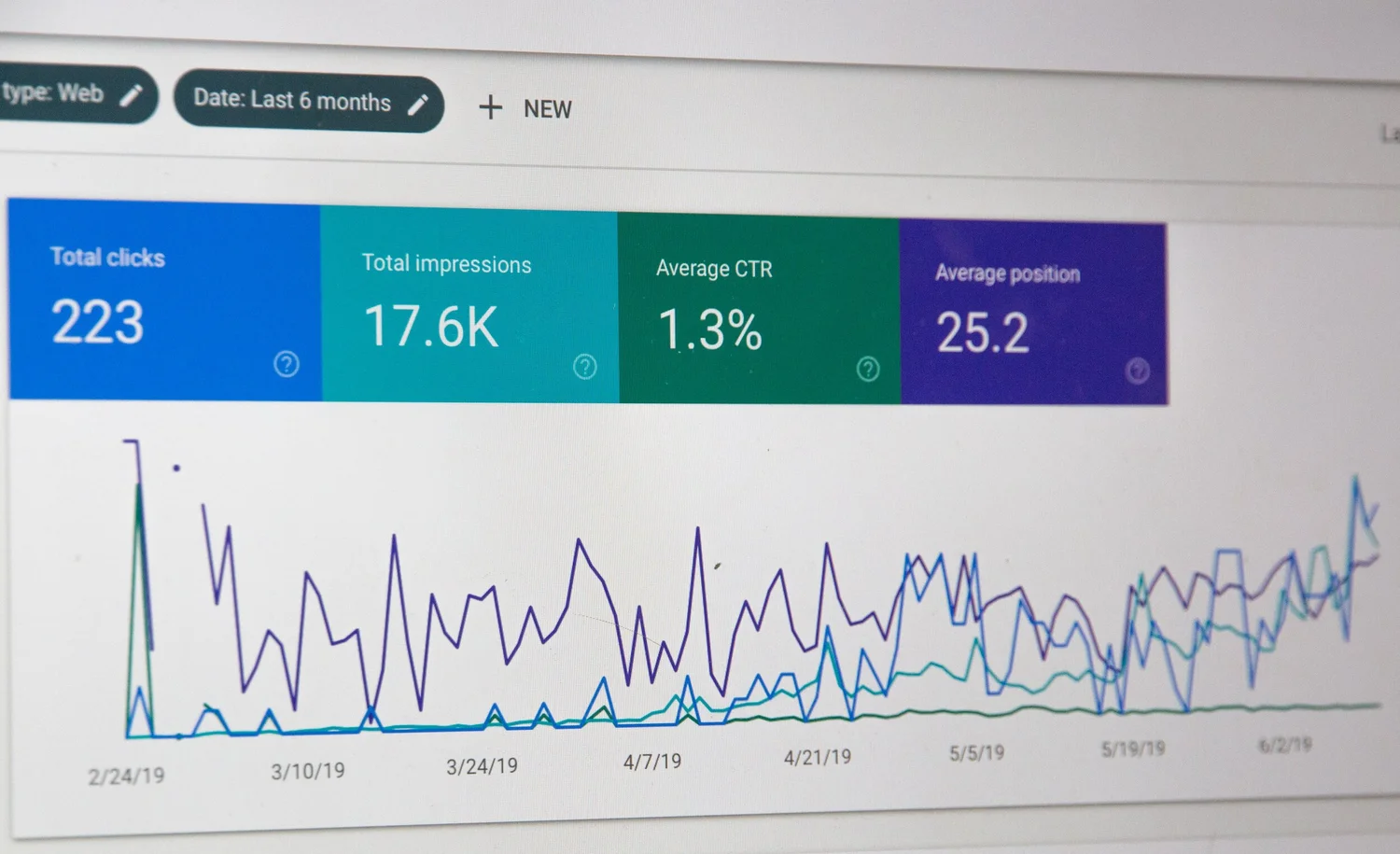
SEO and campaigns for the searches that matter: the area, the size, the kind of space.
The numbers stated in full
Rent, service charge, rates, lease length and break options. Withholding these does not create enquiries, it filters out the serious occupiers and keeps the people with time to spare.
Fit-out visualisations
Most occupiers cannot picture their business in a Cat A shell. Showing one or two plausible layouts for a business of roughly the right size does the imagining on their behalf.
What this looks like in practice
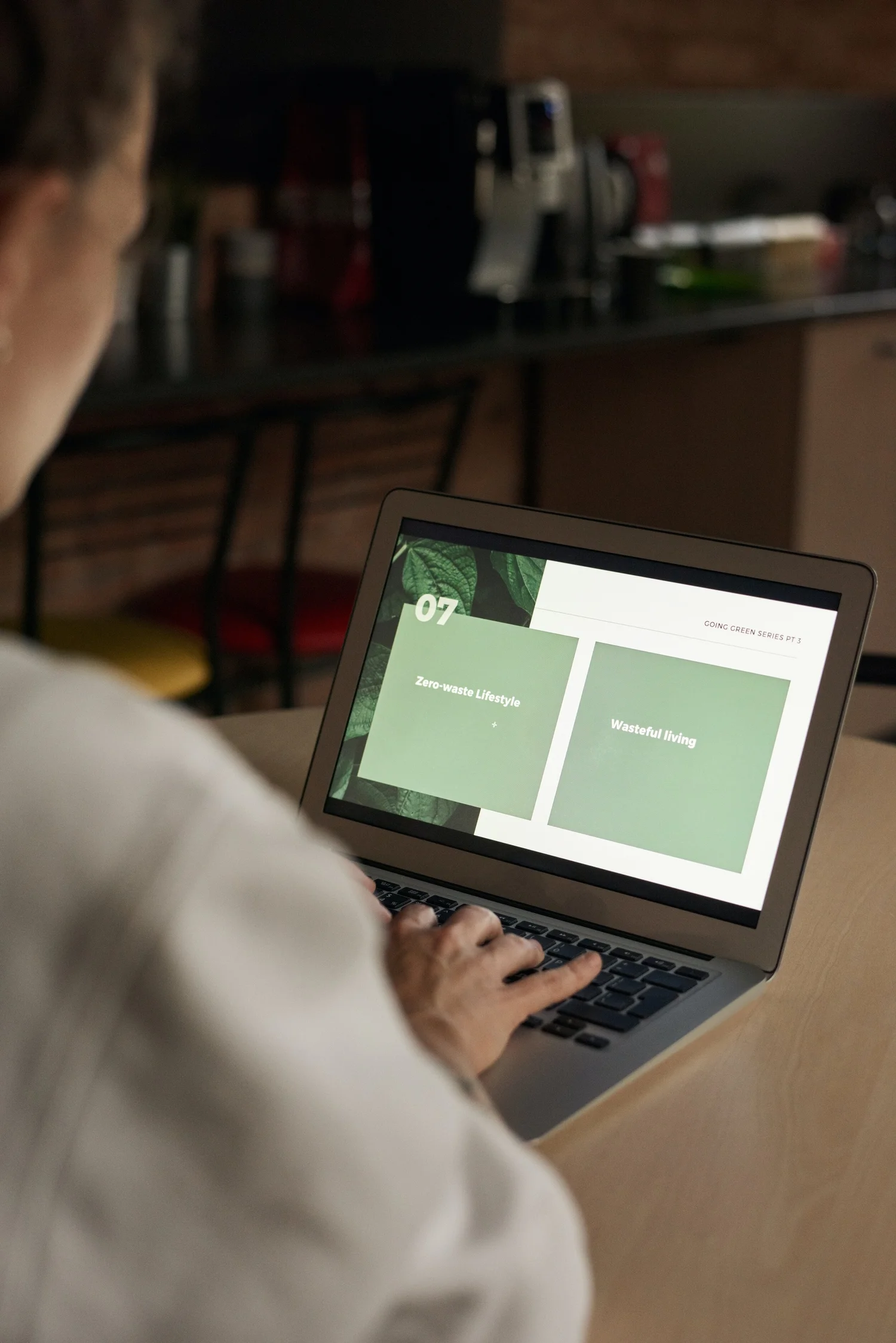
Give the building its own page and treat the portals as distribution rather than as the marketing. The page carries the photography, the tour, the floor plans, the full numbers and current availability, and it ranks for its own address and street, which is what people search after seeing the hoarding or being sent the name.
It also survives the letting. A portal listing disappears when the space goes, taking every bit of accumulated interest with it. A building page stays up between voids, keeps the tenants and agents pointed at one accurate source, and means the next void starts with an asset rather than a blank page and a fresh listing fee.
From single-building landlords to multi-site operators, we understand voids, incentives and the letting cycle, and we build marketing that shortens it.
What we bring to the table


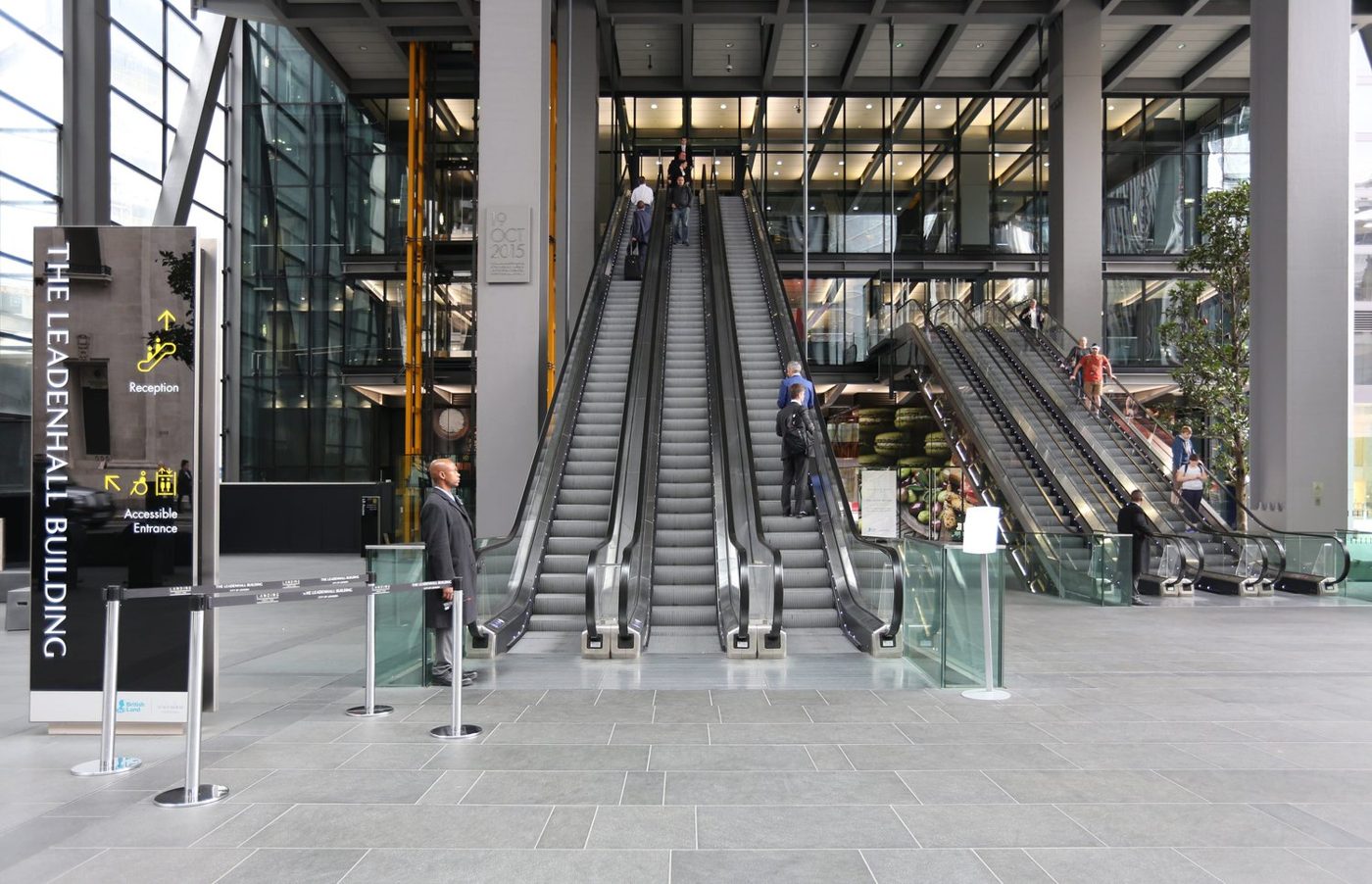
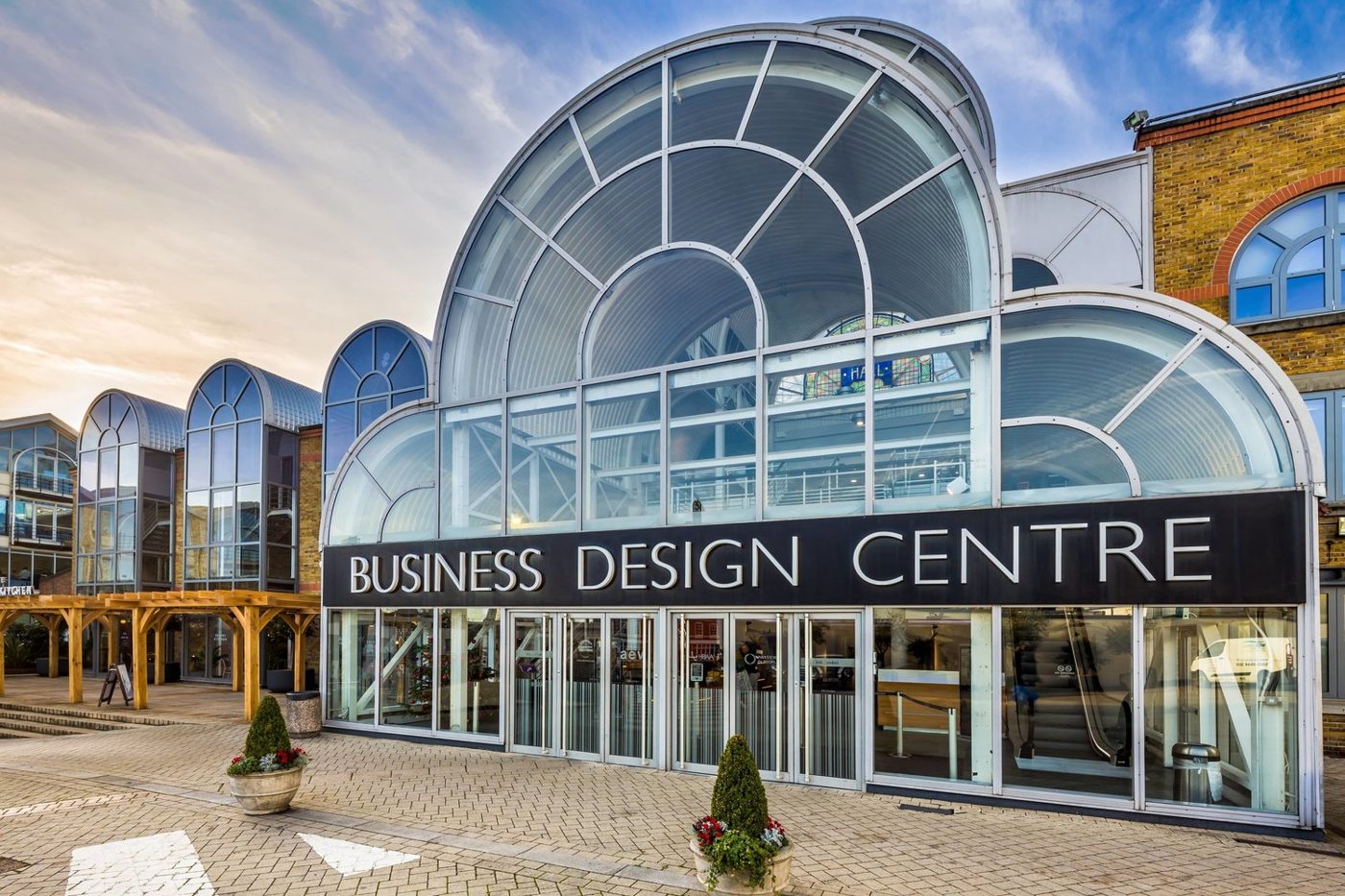
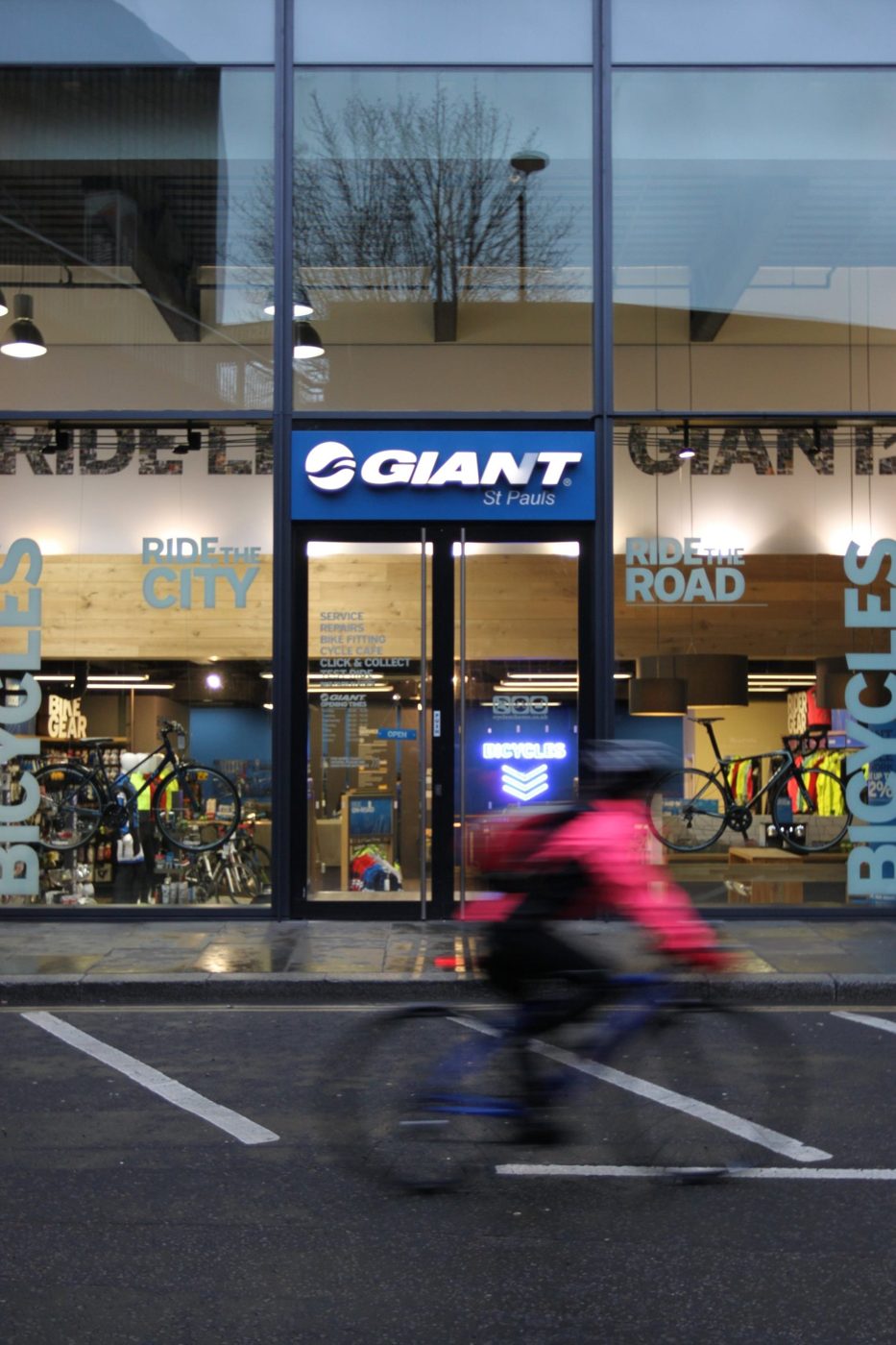
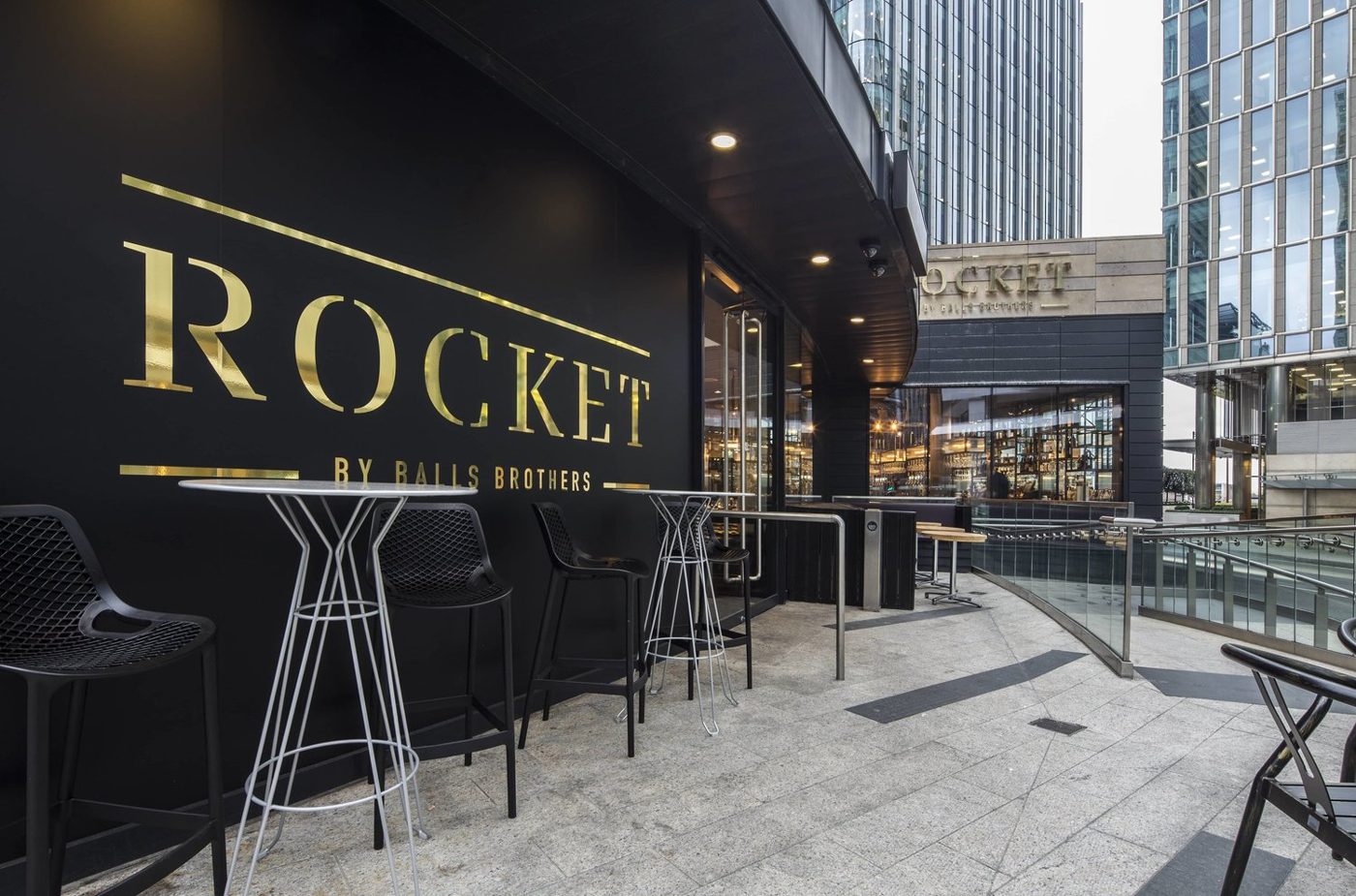
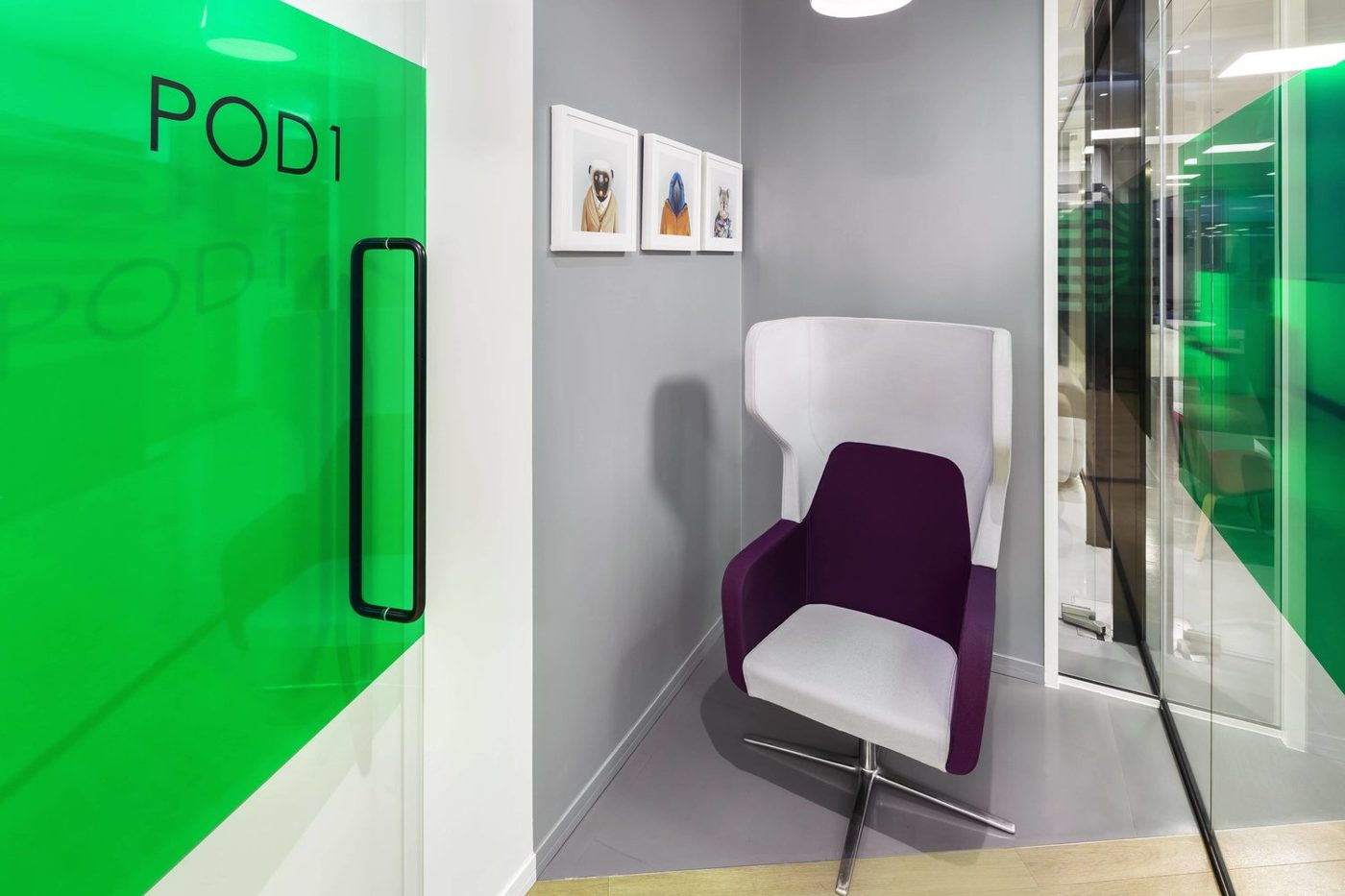
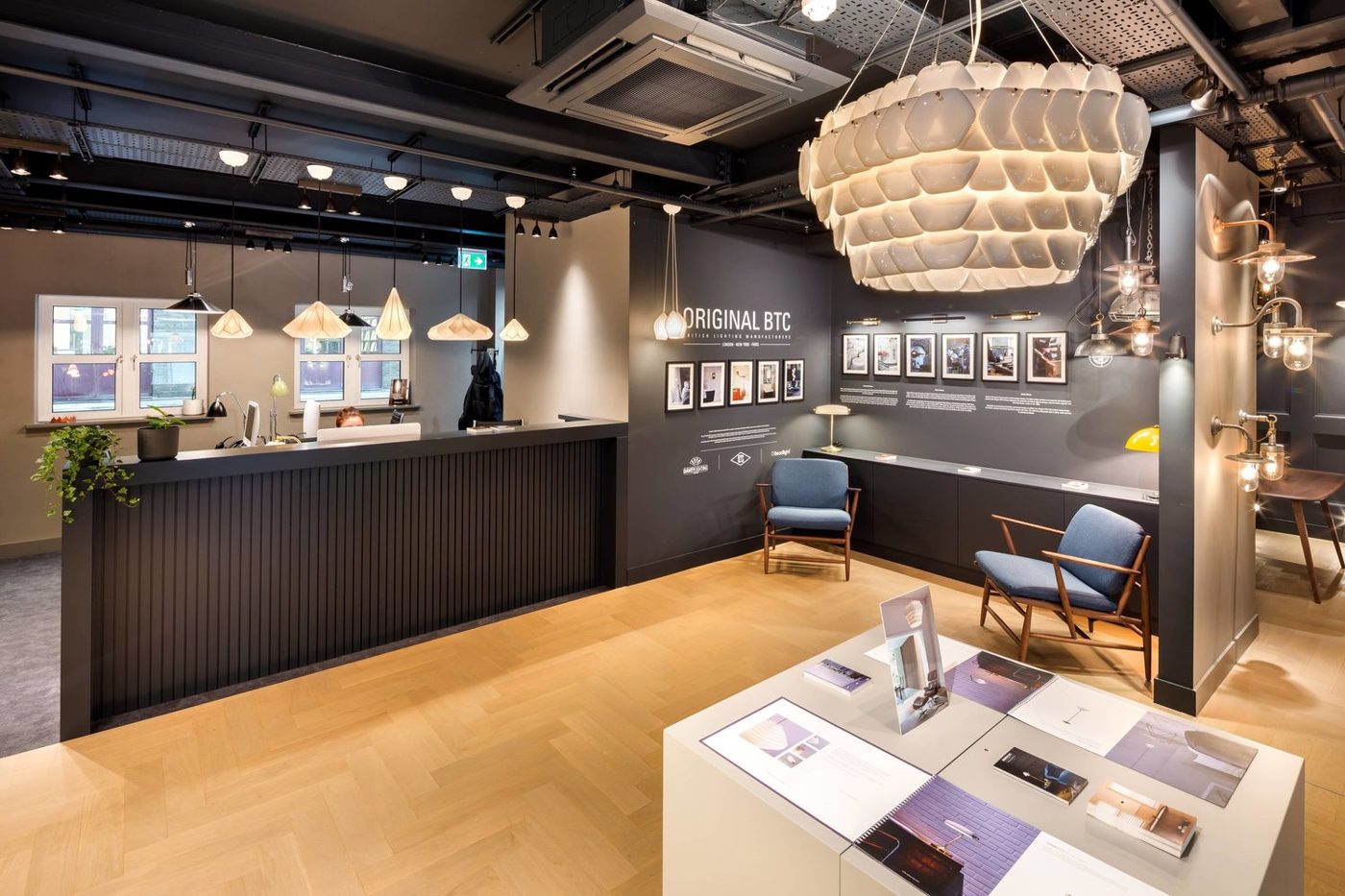
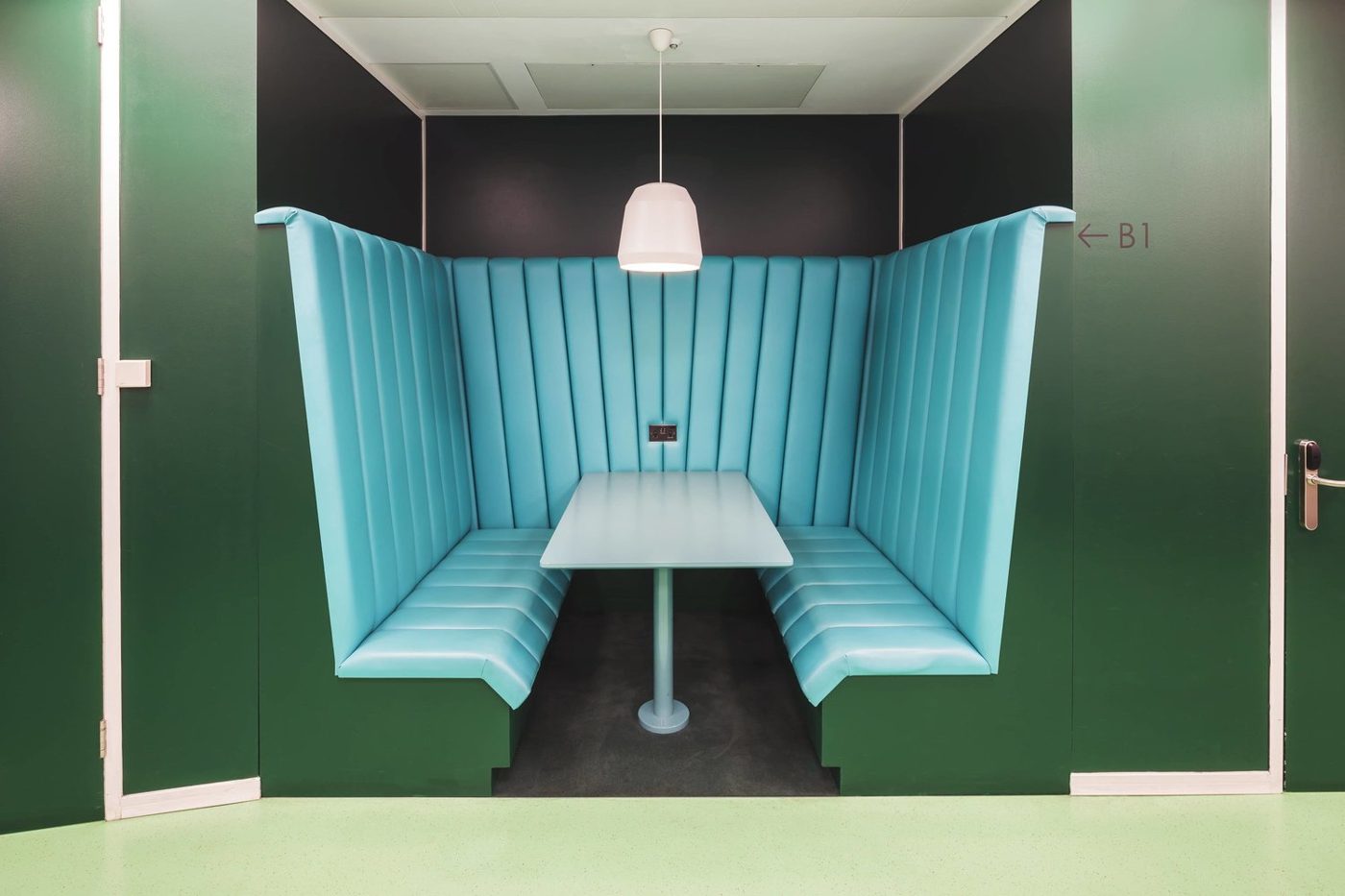
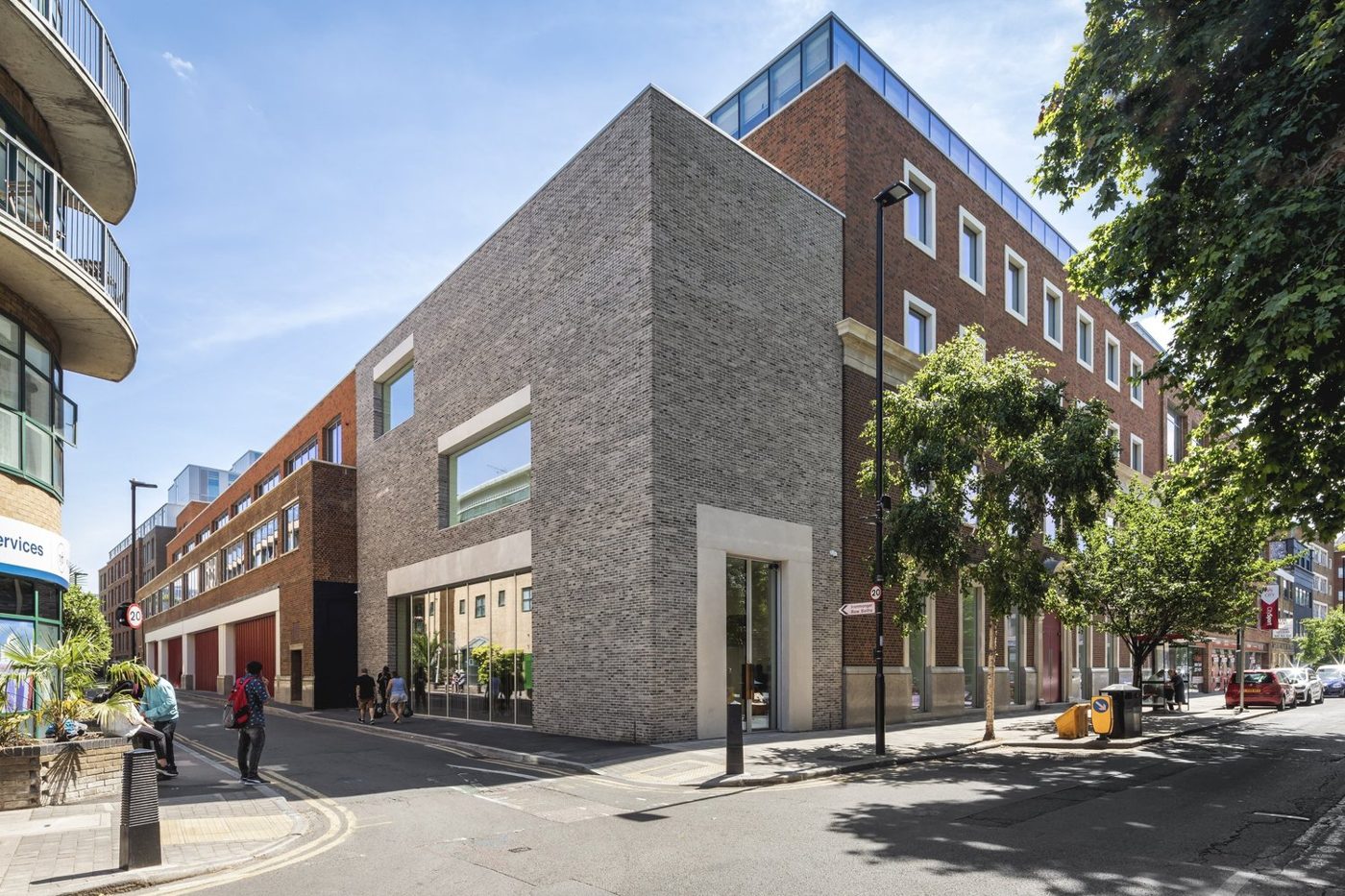
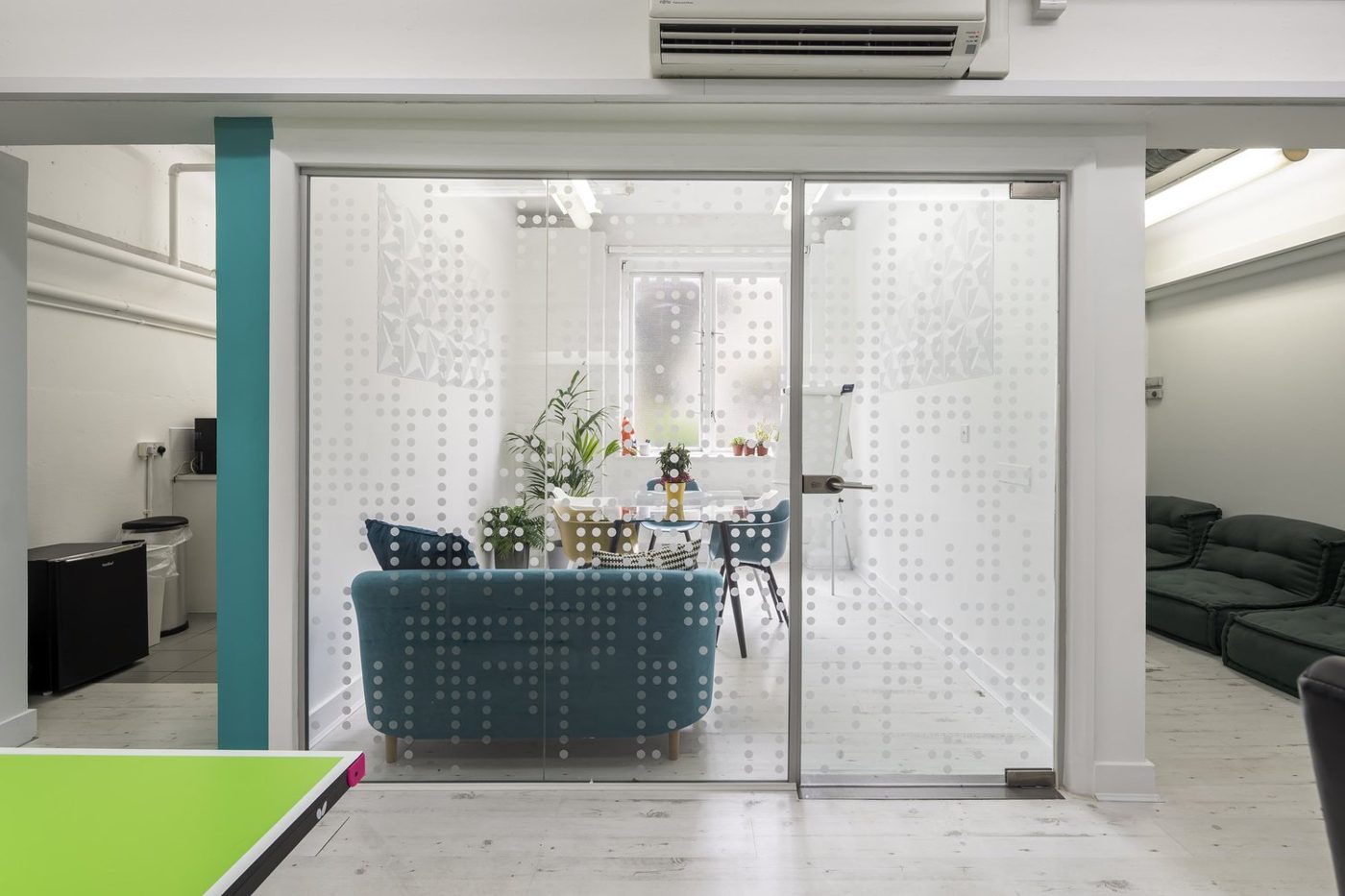
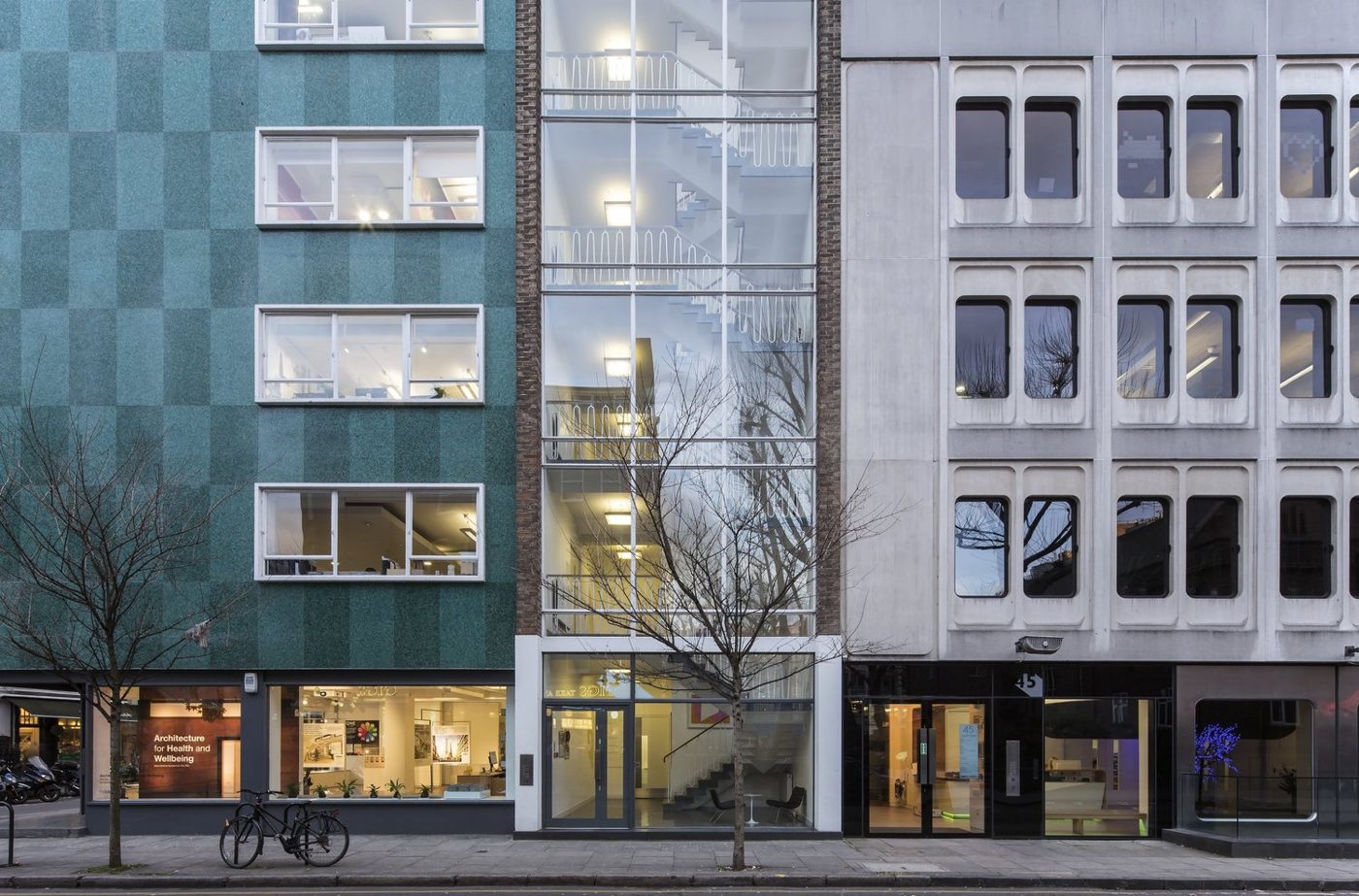
From the commercial archive



















Questions we get asked
Do you work with letting agents or around them?
With them. We make the space impossible to overlook online; your agents handle the deal. Everyone wins, especially the void schedule.
Can you market flexible and serviced workspace?
Yes. Flex space is a direct-to-occupier product, which makes strong digital marketing even more decisive there.
What should we do with space that has been empty a while?
Change what is being shown before changing the price. New photography, a tour and a fit-out visualisation give agents something new to send, whereas a reduction on identical particulars mainly tells the market you are under pressure.
Do 360 tours reduce viewings or increase them?
They reduce the pointless ones and increase the serious ones. Occupiers and their advisors shortlist remotely first, so a tour gets the space onto more shortlists while filtering out the visits that were never going to convert.
Is this worth doing for a single building?
Yes, and the economics are better than for a portfolio. One building competing against particulars and four dim photographs is not competing against equals, and the page keeps working across every future void.
Let’s talk growth
Book a discovery call and we’ll tell you honestly where your biggest, fastest wins are. No hard sell, no jargon.